
We've all seen it. A celeb “just happens” to stroll out of a very photogenic doorway, coffee in hand, outfit styled within an inch of its life, face glowing like they’ve got their own portable ring light.
Sometimes, it really is just a famous person living their life. But other times, the vibe is less oops, you caught me and more my publicist said 3:15, please don’t be late.
If you’ve ever worked around PR, you learn this fast: staged paparazzi photos aren’t automatically evil. They can be about controlling a narrative, promoting a project, or quietly shifting attention away from something heavier. The key is knowing when you’re looking at a planned “candid.”
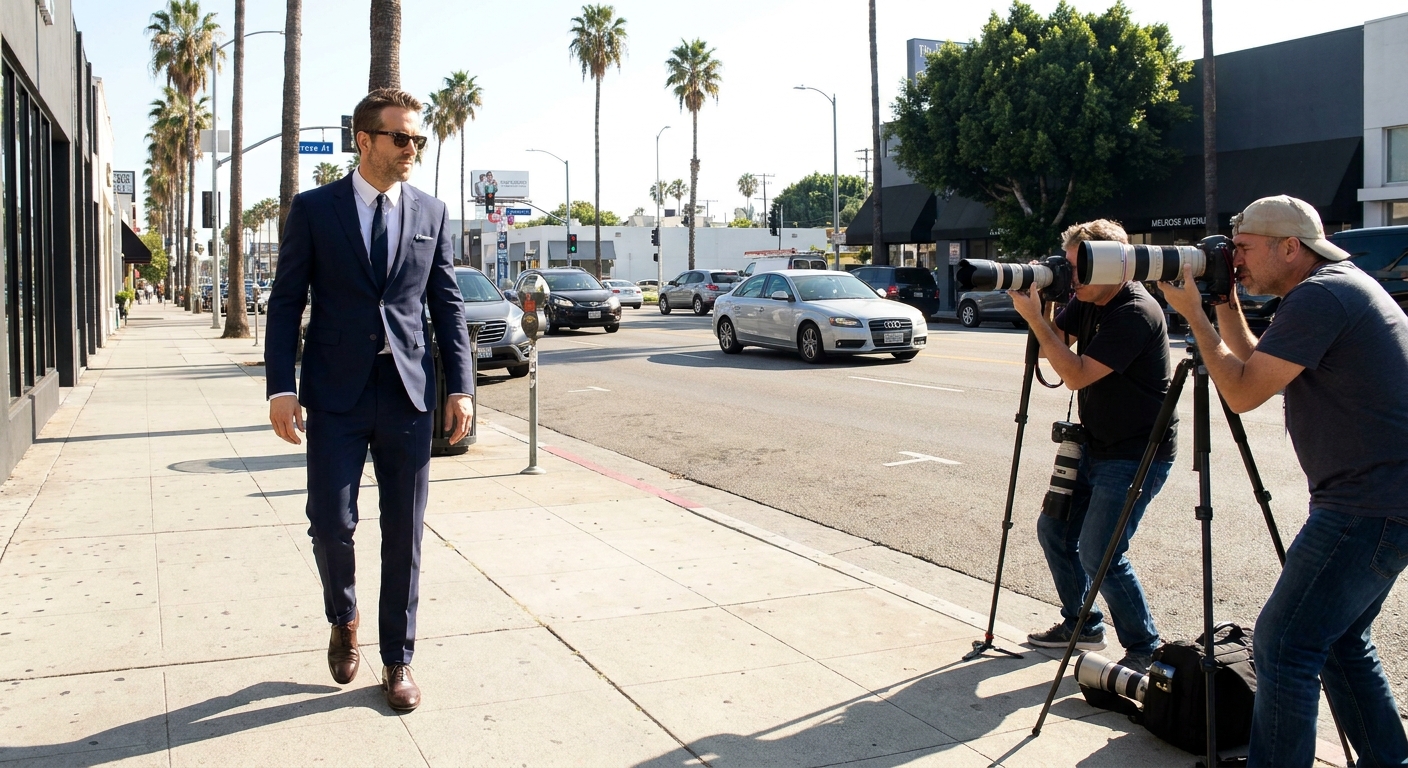
The staged pap shot checklist
Use these seven tells like a pop culture lie detector test. One clue alone doesn’t prove anything, but when you start stacking them, the picture gets very clear.
1) The lighting is too perfect
Real paparazzi photos often look messy because real life is messy. Harsh midday sun, weird shadows, blown-out highlights, and bad angles are part of the deal.
Planned “candids” tend to have:
- Golden hour glow that hits the face evenly
- Minimal squinting, despite being outdoors
- Consistency across frames where the subject stays in flattering light and angles, like there was time to get into position
If the celeb looks like they’re in a skincare ad while “running errands,” that’s your first raised eyebrow.
2) The location feels curated
Many celebrities do have ways to move around Los Angeles and New York with less visibility when they want to, like private entrances, garages, and security-managed pickups. Not everyone has that level of access all the time, but when a “random outing” happens at a spot that’s famously pap-friendly, it’s worth noting.
Commonly convenient locations include:
- Gym exits with a clean sidewalk and good sightlines
- Iconic coffee shops where photographers already linger
- Street-facing patios where diners are visible from the sidewalk
- Parking lots with clear angles for full-body shots
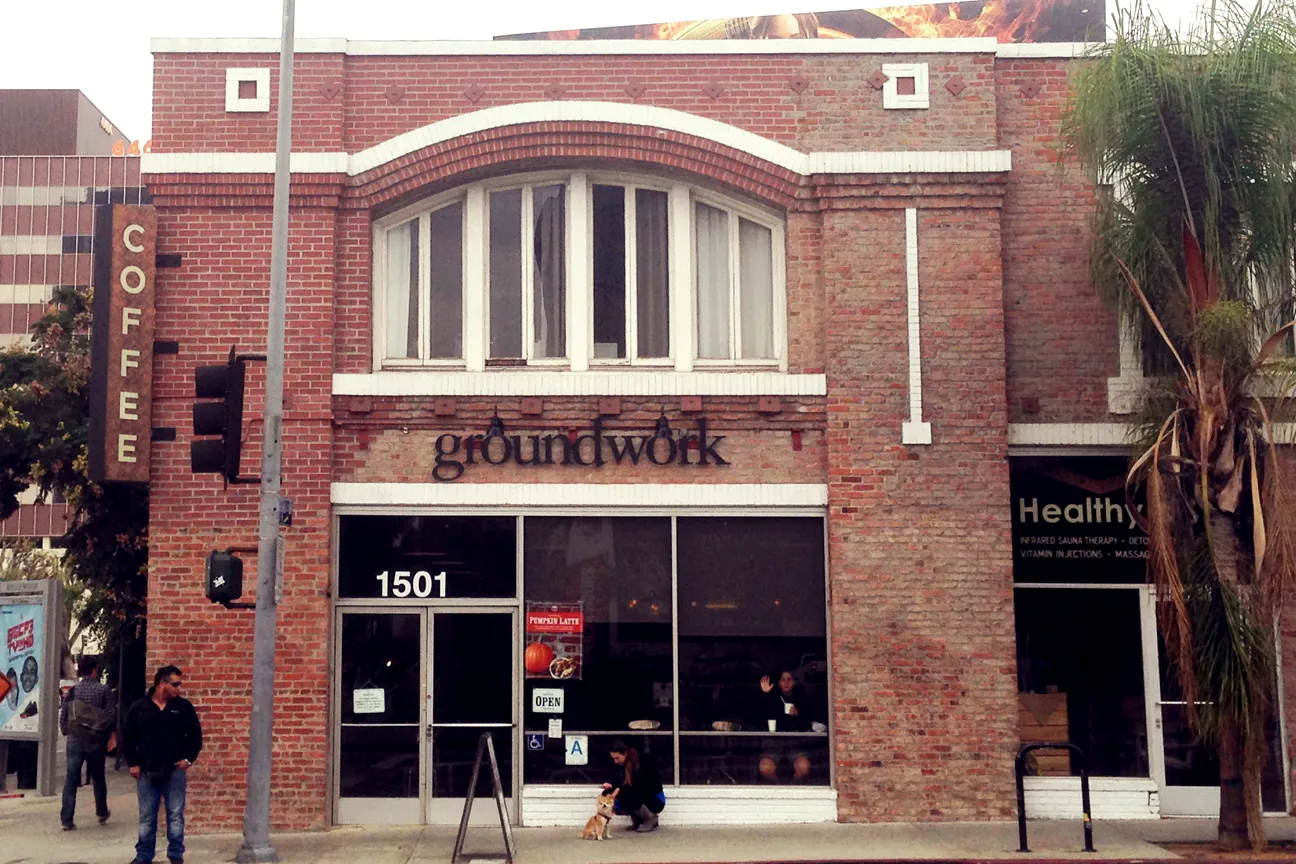
If the setting looks chosen for maximum visibility and minimum chaos, it might’ve been.
3) The outfit reads like a “look”
Yes, some stars dress like they’re always camera-ready. But staged paparazzi moments often feature styling that feels intentionally readable from 30 feet away.
What to watch for
- Head-to-toe designer with logos placed where a long lens will catch them
- Seasonally confusing fashion, like a heavy coat in warm weather, because it photographs well
- Fresh glam details like a perfect blowout, clean manicure, or a carefully “undone” bun
- Accessories that face outward, like a bag held just so
It’s not about being stylish. It’s about looking styled for documentation.
4) The timing fits a storyline
PR and celebrity culture run on timing. When a photo set pops up right when a headline needs softening, a narrative needs redirecting, or a project needs attention, it can be strategic.
Patterns that raise flags:
- A pap walk the day after a messy rumor goes viral
- A sudden burst of “relatable errands” right before a premiere, album drop, or brand launch
- A new couple photographed right as dating rumors peak
It’s not a conviction. It’s a clue.
5) The body language looks camera-aware
In truly unexpected moments, celebs don’t always hand you their “good side.” A lot of the time, they’ll shield their face, turn away, speed up, or look irritated.
In more controlled sets, you might notice:
- Relaxed posture and steady pace
- Eye-line control, like they know exactly where the cameras are
- Soft smiles that read more “aware” than “annoyed”
- Posing without posing, like adjusting sunglasses in a very camera-friendly way
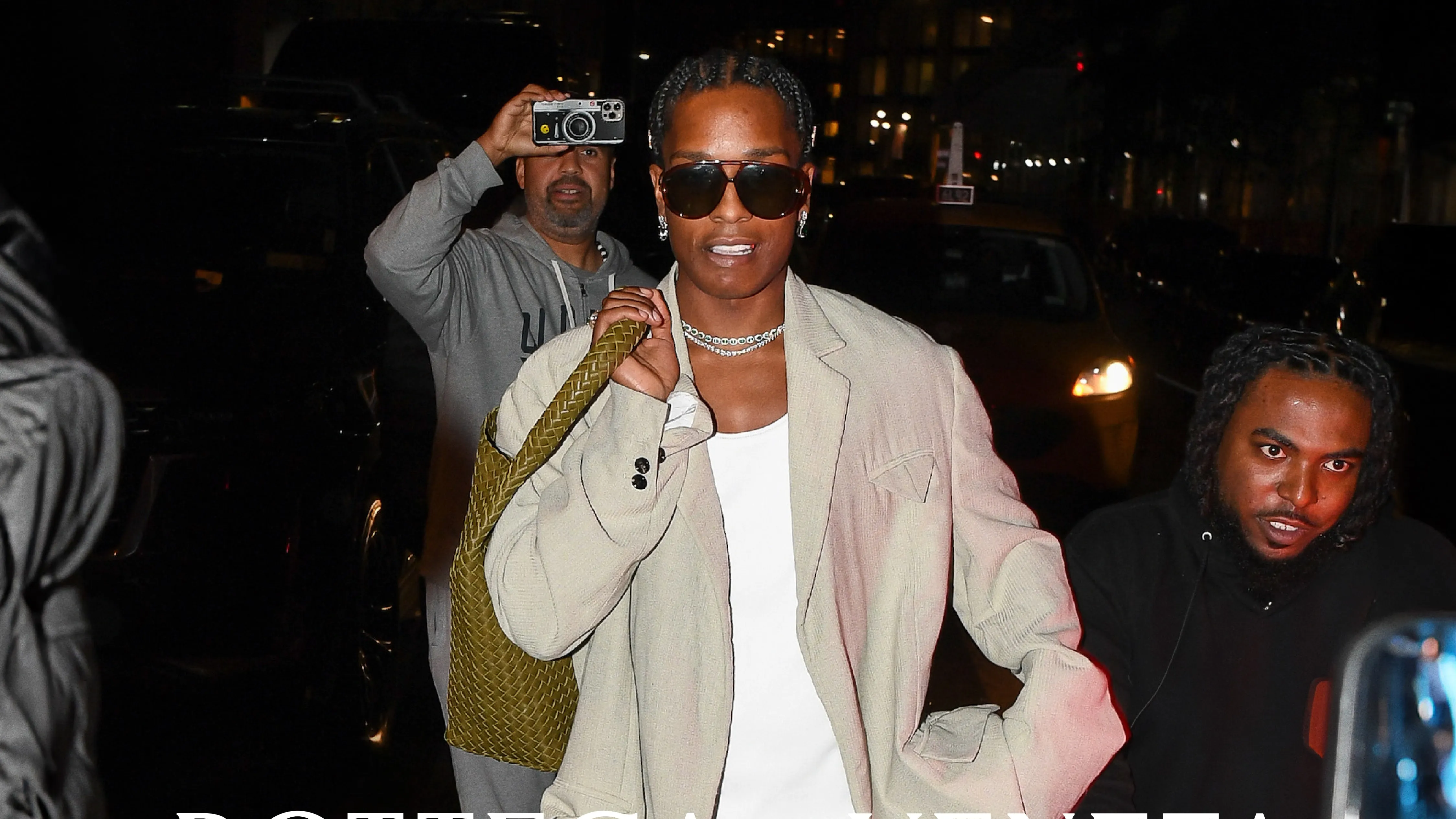
If the subject looks composed in a situation that usually feels invasive, there might be a reason.
6) There’s a clear brand moment
A common tactic is the strategically visible product: the tote bag, the skincare box, the new headphones, the very identifiable water bottle.
Ask yourself:
- Is the label perfectly facing the camera?
- Is the item unusually prominent compared to the rest of the scene?
- Are there multiple frames where the product stays visible, like it’s being “hit” on purpose?
Sometimes it’s a coincidence. But a lot of “coincidences” show up when sponsorships and brand relationships are in play.
7) The set looks calm and clean
Real paparazzi moments can get chaotic fast: crowds, security trying to block shots, awkward pedestrians, cars cutting through, and the general unpredictability of city life.
Planned photos often look like the world politely stepped aside.
Signs the environment is working a little too well
- No crowd interference in a usually busy area
- Minimal security drama, even for very famous people
- A clean background that keeps the focus on the subject
- A full sequence of angles, suggesting the photographer had time, a clear line of sight, or a predictable route
To be fair, not all calm sets are staged. Photographers also camp out, use long lenses, and learn routines. That overlap is exactly why you should look for a pattern, not one “gotcha” detail.
Why it’s hard to prove
Here’s the tricky part: the industry doesn’t label photos “staged” or “not staged.” Agencies post them, editors run them, and the resulting image can look identical whether it was coordinated, tipped off, or simply caught through persistence.
That’s why the checklist matters. You’re not trying to prosecute anyone. You’re just reading the room.
Is staging always bad?
Not necessarily. Some celebs use staged pap shots to reclaim privacy in a strange way, by choosing when they’re seen so they can be less chased the rest of the week. Others use it to promote work, normalize a new relationship, or show support for a cause without it feeling like a formal press release.
The real issue is transparency. When audiences are led to believe something is spontaneous and it’s actually orchestrated, it can feel a little manipulative. But if you know the tells, you can enjoy the photos for what they are: part fashion moment, part PR, part Hollywood theater.
Pop culture is more fun when we watch it with curiosity instead of cruelty. Spot the strategy, appreciate the craft, and let the stars be human.
Quick recap: the 7 tells
- Too-perfect lighting
- Curated, pap-friendly location
- An outfit that reads like a planned look
- Convenient timing for a storyline
- Camera-aware body language
- Clear brand placement
- A calm, clean, unusually controlled photo set
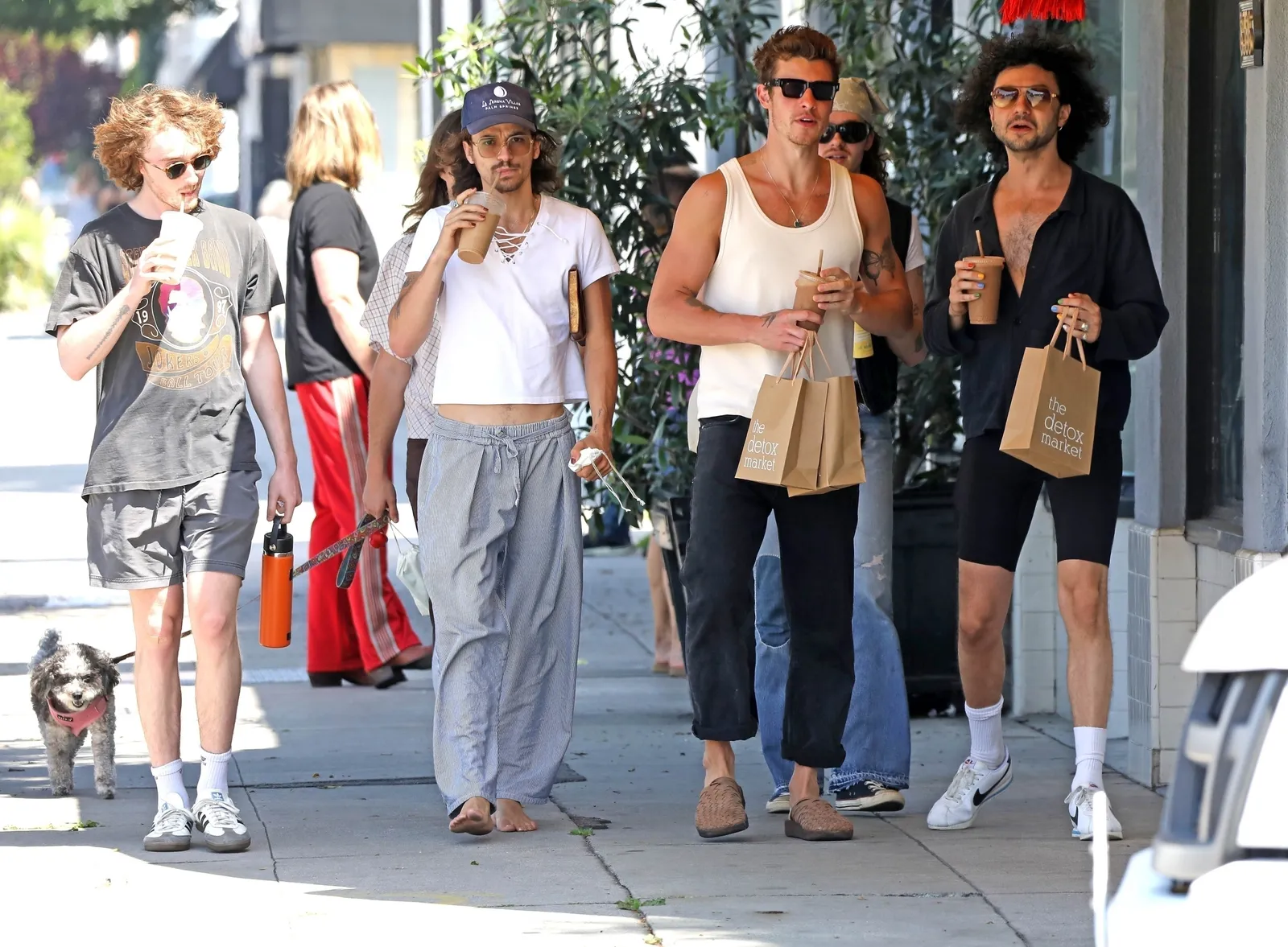
Have a “candid” photo set you’re side-eyeing right now? Save this checklist and run the clues. Hollywood rarely does anything by accident, especially not with good lighting.