
There is nothing quite like the modern celebrity apology video. One ring light. One shaky inhale. One sweater that screams, “I am a person who definitely owns at least one therapist.” And then, within minutes, the internet decides whether we are witnessing accountability, or a brand refresh wearing remorse as a costume.
As someone who started in PR before jumping to entertainment journalism, I watch these videos with two brains at once: the fan brain that wants people to learn and grow, and the comms brain that can practically hear the crisis team whispering, “Keep it under three minutes, avoid admitting liability, and please for the love of all that is holy do not mention sponsorships.”
So let’s break down the anatomy of the celebrity apology video, using real recent-style patterns and some very famous cautionary tales, to see what actually helps reputations recover and what sets them on fire.
Why apology videos are the default now
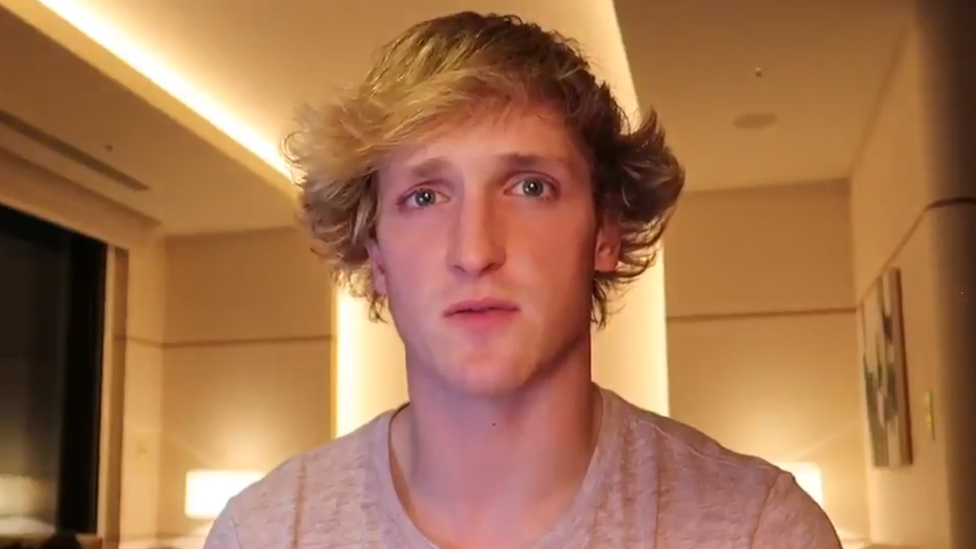
Apology videos took over because they feel direct. A written statement reads like a legal memo. A post feels like PR. But a face on camera can signal vulnerability, immediacy, and a willingness to take questions, even when no questions are actually being taken.
The catch is that video is high-risk. It captures tone, facial expressions, pacing, and those tiny tells that audiences are weirdly brilliant at spotting. If you are performative, people feel it. If you are defensive, people hear it. If you are confused about what you did wrong, people will turn it into a trending sound.
The five parts people believe
We can talk about “authenticity” all day, but in practice, apologies that land tend to include the same building blocks. Think of this as the checklist audiences run, consciously or not, before they decide whether to move forward.
1) Clear acknowledgement
If viewers have to guess what you are apologizing for, you have already lost them. Vague language like “recent events” or “if anyone was hurt” reads like you are trying to slide past the actual harm.
- PR hit: Naming the behavior plainly, without euphemisms.
- PR miss: Framing the scandal as “drama” or “misunderstandings.”
2) Ownership without escape hatches
The moment you say “but,” the apology starts wobbling. Context can matter, but timing matters more. If you open with excuses, it feels like you are negotiating the verdict before admitting the harm.
- PR hit: “I did X. It was wrong. I understand why it hurt people.”
- PR miss: “I’m sorry you felt that way, but you don’t know the full story.”
3) Specific empathy
Not “my fans.” Not “everyone.” The people impacted. This is where a lot of celebrity apologies faceplant, because they focus on how stressful it has been for the celebrity instead of how harmful it was for others.
A quick example, for anyone who lived through it: during Kevin Hart’s 2018 Oscars backlash, some critics read parts of his early responses as more focused on being “tired of talking about it” than on centering why the comments mattered. That perception, fair or not, is exactly the kind of thing that turns an apology into a second argument.
4) A concrete fix
Accountability is not a vibe. It is action. People want to know what changes. Are you taking a break? Getting training? Returning money? Changing leadership? Donating is not a magic eraser, but specific steps show you are serious.
5) Proportionate tone
If the scandal is serious, the tone needs to match. If it is minor, over-the-top tears can feel manipulative. Audiences forgive mistakes more easily than they forgive being emotionally managed.
PR hits: what works
Not every apology video is a masterpiece, but the ones that help usually share the same strategic choices: clarity, humility, and a refusal to make the moment about personal victimhood.
Hit move: name it, own it, fix it
A tight, straightforward structure calms the chaos. It also limits the chances of saying something new and worse. When apologies work, they tend to follow this pattern:
- Name it: “Here’s exactly what I did.”
- Own it: “No excuses. I understand the impact.”
- Fix it: “Here is what I am doing next, and here is how you can hold me accountable.”
Hit move: no “cancel culture” monologue
The fastest way to turn a redemption moment into a battle is to make it about how unfair consequences are. Consequences are literally the point of accountability. If you want the public to grant grace, you have to stop fighting for the right to be consequence-free.
Hit move: consistency everywhere
If your video says one thing and your Instagram likes say another, people notice. If your friends subtweet critics while you preach growth, people notice. When reputations recover, it is usually because the apology matches the behavior that follows.
PR misses: what backfires
Some apology videos do not just fail. They actively deepen the scandal. Here are the most common self-sabotage moments, and why they land so badly.
Miss: the ukulele problem
Yes, I am talking about the moment Colleen Ballinger responded to allegations with “Toxic Gossip Train” in 2023. Even if you strip away every detail of the controversy, the core PR issue is simple: the medium became the message.
A musical number reads as clever, defensive, and unserious. It asks the audience to be entertained while they are asking to be heard. That mismatch is reputation kryptonite.
Miss: overproduced confession
If it looks like a campaign ad, people assume it was treated like one. Crisp multi-camera setups, cinematic music, and perfectly framed pauses can turn “vulnerable” into “workshopped.” Viewers do not expect you to film on a webcam from 2009, but they do want the tone to feel human.
Miss: accountability word salad
“I take full responsibility” can be a strong sentence. It becomes meaningless when followed by fifteen minutes of “misinformation,” “out of context,” “taken the wrong way,” “targeted,” and “the media.” If you are responsible, be responsible. If you are disputing facts, do it with receipts, not vibes.
Miss: monetizing the moment
If your apology is attached to a product drop, a tour announcement, a merch link, or even suspiciously timed “new era” branding, audiences read it as a transaction. Even when that is not the intent, perception becomes reality.
When not to do a video
Sometimes the best apology video is no apology video.
If there is active litigation, an ongoing investigation, or safety issues for other people involved, the ring light can do more damage than good. In those moments, a written statement (with counsel), a pause in posting, and a clear commitment to cooperate can be the more responsible move. A camera can pressure you into over-explaining, freelancing facts, or accidentally contradicting what will later be verified.
And if you truly do not understand what you did wrong yet, take the beat to learn before you hit upload. The fastest way to become the villain of your own apology is to sound like you are discovering the basics in real time.
The details people clock
Let’s talk about the little things that become big things online, because the internet is basically a body language detective agency with Wi-Fi.
- Eye contact: Reading a script is fine. Staring at the notes the whole time feels like legal compliance.
- Length: Too short can feel dismissive. Too long can feel like self-defense.
- Setting: A private, neutral space tends to work best. Filming in a mansion while apologizing for being out of touch is, how do I put this, not ideal.
- Tears: Not required. Also not a free pass. Audiences separate emotion from accountability.
- Timing: Posting immediately without understanding the facts can create follow-up apologies, which is the worst genre of sequel.

A 60-second scorecard
If you want a quick way to gauge whether a celebrity apology video is headed for “PR recovery” or “internet archaeology,” here are the questions I ask:
- Did they clearly say what they did? (Not what happened to them.)
- Did they apologize to the people harmed, specifically?
- Did they accept consequences without complaining about them?
- Did they explain what changes next?
- Does their tone match the seriousness of the situation?
- Will their behavior likely match the apology? (This is the real one.)
In 2024, the public does not expect perfection. It expects proof of learning.
What saves a reputation
Here is the inconvenient truth for every crisis team and every celebrity with a ring light: the apology video is not the comeback. It is the opening statement.
Reputations recover when people follow the apology with consistent, boring, real-world choices. Quietly stepping back. Doing the work off-camera. Making amends without demanding applause. Accepting that some fans will not return, and letting that be okay.
And for the rest of us watching? It is totally fine to hold two truths at once: people can grow, and we do not have to pretend a well-lit “I’m sorry” automatically equals growth.
If you are looking for the one rule that never fails, it is this: an apology is not about getting back what you lost. It is about respecting what others lost because of you.
Quick takeaway
Apology video hits
- Specific acknowledgement
- Ownership without “but”
- Empathy centered on others
- Concrete next steps
- Consistency after posting
Apology video misses
- Vague language and passive voice
- Blaming the audience, media, or “haters”
- Performative production choices that distract
- Weaponized tears or self-pity
- Monetizing the moment
And if you ever find yourself wondering whether an apology video is good? Ask yourself one question: Does this make you trust them more, or does it make you feel managed?