
There is something deeply satisfying about seeing a famous face use their platform to lift an indie project off the ground. Maybe it’s a beloved actor funding a passion-project short. Maybe it’s a comedian building a scrappy series pilot outside the studio system. Either way, celebrity-driven crowdfunding is where fandom meets financing, and it can be genuinely fun if you go in with eyes wide open.
This is your no-panic, no-judgment guide to backing crowdfunded entertainment projects led by notable celebrities on platforms like Kickstarter. We’re talking how it works, what to look for, what to avoid, and how to support creators in a way that feels exciting, not stressful.
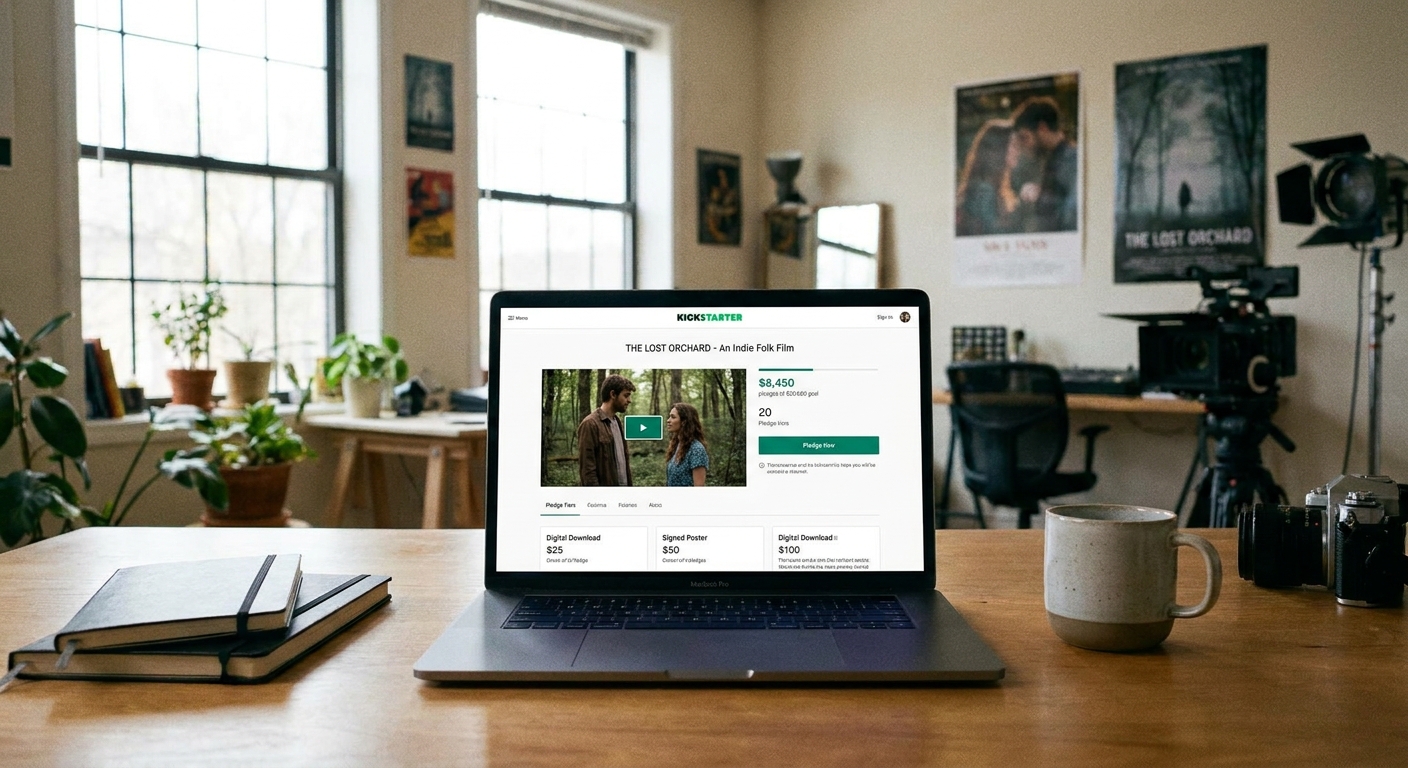
What celebrity crowdfunding is
When a celebrity launches or fronts a crowdfunded film, show, or special, they’re asking fans and supporters to help finance development or production. In return, backers usually get perks, updates, and sometimes experiences. The celebrity might be:
- The creator (writing, directing, producing, or starring)
- An executive producer lending name recognition and connections
- A presenter boosting visibility for a project they believe in
That distinction matters, because a celebrity being “involved” can mean anything from hands-on creative control to a friendly endorsement.
Platform basics
Kickstarter
Kickstarter uses an all-or-nothing model: if the project doesn’t hit its goal by the deadline, you aren’t charged. If it does fund, your payment is collected after the campaign ends (and payment processing can involve retries if a charge fails). It’s a helpful guardrail, but it’s still not a guarantee the final product will arrive.
Indiegogo
Indiegogo campaigns may use flexible funding (meaning the creator can keep funds even if they don’t hit the goal) or fixed funding. Flexible funding can be totally legitimate, but it requires extra diligence because the project could be underfunded and still move forward.
Equity crowdfunding (a different animal)
Some entertainment projects raise money via equity crowdfunding, where you’re investing, not pledging for perks. That comes with legal disclosures, higher risk, and very different expectations. If a platform is offering shares, revenue participation, or profit splits, slow down and read every word. Rules vary by platform and jurisdiction, so verify what applies where you live before putting in real money.
Before you pledge
Backing a crowdfunded project is more like supporting art than buying a product. Still, you can absolutely be a savvy supporter.
1) Confirm the celebrity’s role
- Does the page clearly state what the celebrity is doing (starring, directing, producing)?
- Are they in the campaign video speaking directly about the project?
- Do reputable outlets, the celebrity’s verified social accounts, or the celebrity’s company mention it?
If the only “proof” is a random quote graphic or a vague name drop, treat it like a yellow flag.
2) Read the budget like a producer
A solid campaign usually explains where the money goes in plain language. Look for line items such as:
- Production (crew, equipment, locations)
- Post-production (editing, sound, music, color)
- Deliverables (what distributors and festivals often require, like a DCP master, marketing assets, and sometimes E&O insurance)
- Rewards and shipping (often underestimated)
- Platform and payment processing fees
If a celebrity is attached and the budget still feels oddly vague, it’s fair to wonder whether the plan is fully formed.
3) Sanity-check the number
One quick gut-check: does the goal match what they say they’re making? A short film can sometimes be done lean; a full season of scripted TV cannot. Celebrity involvement doesn’t automatically mean the rest of the budget is already lined up, so look for language that explains whether crowdfunding is covering the whole production, a specific phase (like post), or a proof-of-concept meant to unlock bigger funding.
4) Watch the timeline for realism
Entertainment projects move slowly even when everything goes right. A realistic timeline acknowledges development, scheduling, post-production, and distribution. If a scripted series promises a finished season in a couple months with no explanation, that’s a classic case of ambition outpacing logistics.
5) Check the team’s track record
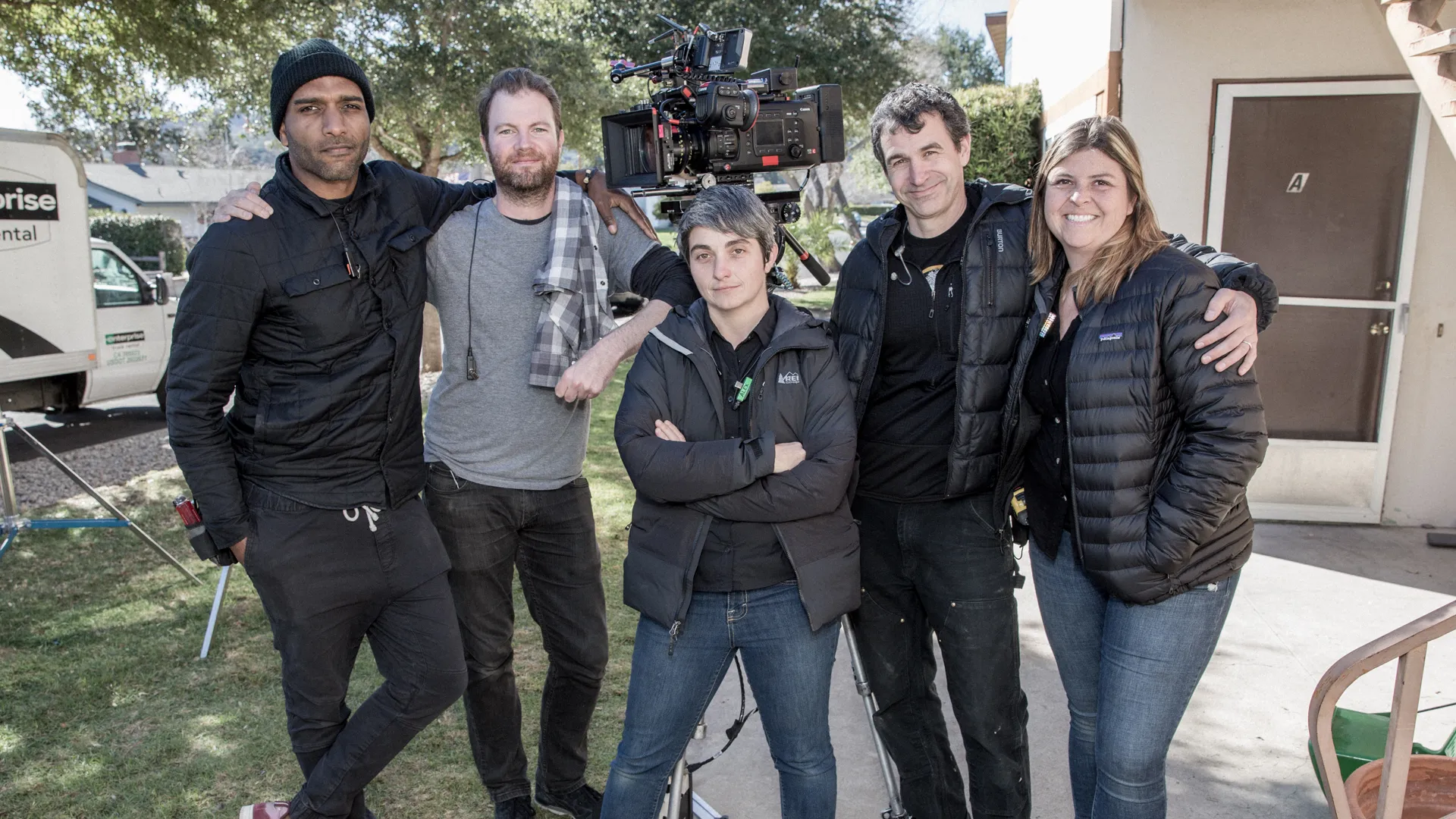
Credits matter. If the celebrity is new to producing, who’s the experienced producer or line producer? Are key department heads named? A campaign that lists a real team, even briefly, tends to be more grounded.
Green flags
- Specificity. Clear story description, format, and production plan.
- A transparent “why now.” The creator explains why crowdfunding is necessary even with celebrity involvement.
- Proof of progress. Script pages, concept art, location scouting, proof-of-concept footage, or attachments already secured.
- Smart reward tiers. Digital perks, behind-the-scenes access, and limited physical items.
- Thoughtful risks. They openly discuss what could cause delays and how they’ll handle it.
Red flags
“We’ll figure it out later” energy
If the campaign is heavy on hype and light on logistics, that’s not mysterious artistry. It’s a risk to your money.
Overpromising celebrity access
Be cautious with tiers promising guaranteed meet-and-greets, set visits, or personalized video messages without clear constraints. Celebrities have unpredictable schedules, and there may be guild rules, insurance limits, and set safety protocols in play.
Suspiciously cheap physical rewards
Merch production and shipping costs add up fast. If a campaign offers a ton of physical items at low tiers with no mention of fulfillment planning, delays are likely.
Pressure tactics
Countdown panic is normal in crowdfunding. Manipulative language isn’t. Avoid campaigns that guilt fans, threaten supporters, or create drama to drive pledges.
Pick the right tier
Here’s a healthy mindset: pledge because you want to help the project exist, and treat perks as a bonus.
Maximum impact, minimal risk
- Choose a digital reward tier (streaming link, digital download, early access)
- Skip shipping-heavy bundles
- Consider adding a small extra amount rather than jumping tiers for physical items
If you love collectibles
- Pick one meaningful item, not five random ones
- Look for clarity on production timelines and shipping regions
- Assume delays and decide if you’ll still be happy
If you’re tempted by VIP experiences
Make sure you understand the fine print. Look for details like location, date windows, transferability, age requirements, and what happens if filming schedules change.
Crowdfunding is not a store
This is the part people forget when the campaign video is charming and the celebrity is beloved: most crowdfunding (especially on Kickstarter) is support, not shopping. Creators are expected to make a good-faith effort, but you’re not getting retail-style guarantees, and refunds are often limited or not available once funds are collected.
Platforms have rules and reporting tools, but they generally don’t guarantee delivery or step in like a traditional seller. So it’s smart to pledge only what you’re comfortable risking.
Support vs invest
Most celebrity crowdfunding you see on Kickstarter is not an investment. You’re pledging to support a creative project and receiving rewards if things go well. You generally don’t get:
- Ownership in the project
- Profit participation
- Guaranteed delivery dates
If a campaign starts sounding like a financial product, it may be operating on a different type of platform with different rules. Read the legal terms and don’t be afraid to consult a professional if you’re considering an equity offering.
Protect yourself
Use a credit card if you can
Credit cards may offer more recourse than debit cards in some situations. It’s not foolproof, and dispute windows vary, but it can help if something goes sideways.
Keep receipts and screenshots
Save confirmation emails, the campaign description, and the reward details at the time you pledge. Campaign pages can evolve.
Don’t overextend
Your best support is sustainable support. Pick a number that won’t make you resent the project later.
Be careful with personal info
Give only what’s required for fulfillment. For experiences, share additional details only through official platform tools, not random DMs or third-party forms unless clearly verified.
Shipping and international fees
Physical rewards are where a lot of good campaigns get humbled. Before you choose a merch-heavy tier, check:
- Where they ship. Some campaigns only fulfill in certain countries.
- Customs, VAT, and import fees. International backers may owe extra charges on delivery.
- Address timing. If delivery is far out, make sure you can update your address later.
Updates and delays
Here’s the honest truth: delays are common, even for well-run campaigns. Post-production takes time. Distribution deals shift. Talent schedules change. A great creator will communicate consistently, even when the news isn’t thrilling.
When you evaluate updates, focus on:
- Consistency: Are updates coming at a steady pace?
- Clarity: Do they explain what’s happening and what’s next?
- Accountability: Do they acknowledge missteps and adjust plans?
If a campaign goes quiet for months with no explanation, that’s not creative secrecy. It’s poor backer care.
If something feels off
If you suspect a project is misleading supporters, do a quick triage:
- Re-read the platform’s rules and the campaign’s risks section
- Ask a polite question in the public comments (you’re not being negative, you’re being informed)
- Look for responses from the creator, not just other backers
- Report concerns through the platform’s tools if there are clear misrepresentations
And yes, it’s okay to change your mind about supporting a celebrity when the execution doesn’t match the hype. You can love someone’s work and still want better accountability.
Be a backer creators love
Celebrity-led campaigns can attract big attention fast, which means creators often deal with intense expectations. If you want to support the project and the humans making it:
- Share the campaign thoughtfully, especially in communities that actually fit the genre
- Boost milestones and updates, not just launch day
- Ask questions kindly and publicly so answers help everyone
- Respect boundaries around personal access to the celebrity or cast
The bottom line
Celebrity-driven crowdfunding can be a joy when it’s rooted in transparency, realistic planning, and a genuine creative mission. Your fandom is powerful, and it can help make the kind of movies and shows big studios would never greenlight.
Pledge with your head and your heart. Look for a solid plan. Choose tiers that fit your budget. And remember: you’re not just buying perks. You’re helping a story get told.