There are two kinds of people who buy a celebrity MasterClass: the folks who want a legitimate skills boost, and the folks who want to feel like they are hanging out with their favorite icon for a few hours. Both are valid, by the way. But if you are investing real money and real time, you deserve the honest rundown on which courses actually teach and which ones mostly vibe.
So I dug into the acting, writing, and directing options that aspiring entertainers ask about the most, then ranked them based on: clarity of instruction, how actionable the exercises are, how transferable the lessons feel to your own work, and whether it offers something meaningfully hard to replicate with random free clips and scattered advice.
How I ranked these courses
MasterClass is not film school, and it is not meant to be. It is also not accredited, and it will not replace coaching, workshops, or real reps on set. Think of it like premium, story-driven coaching. Here is what mattered most in this ranking:
- Actionability: Do you get exercises you can do today, or mostly anecdotes?
- Specificity: Are they breaking down process step-by-step, or staying inspirational and broad?
- Range: Useful for beginners and intermediate creators.
- Behind-the-scenes value: The best celeb classes share real decision-making, not just highlight reels.
- Longevity: Will you rewatch it when you are stuck on a scene or a draft?
Quick money note: MasterClass is subscription-based in most regions, and pricing and packaging can change (promos, bundles, regional differences). So “worth it” here is about whether a class delivers enough practical value to justify making MasterClass part of your learning stack for at least a few months.
The ranking
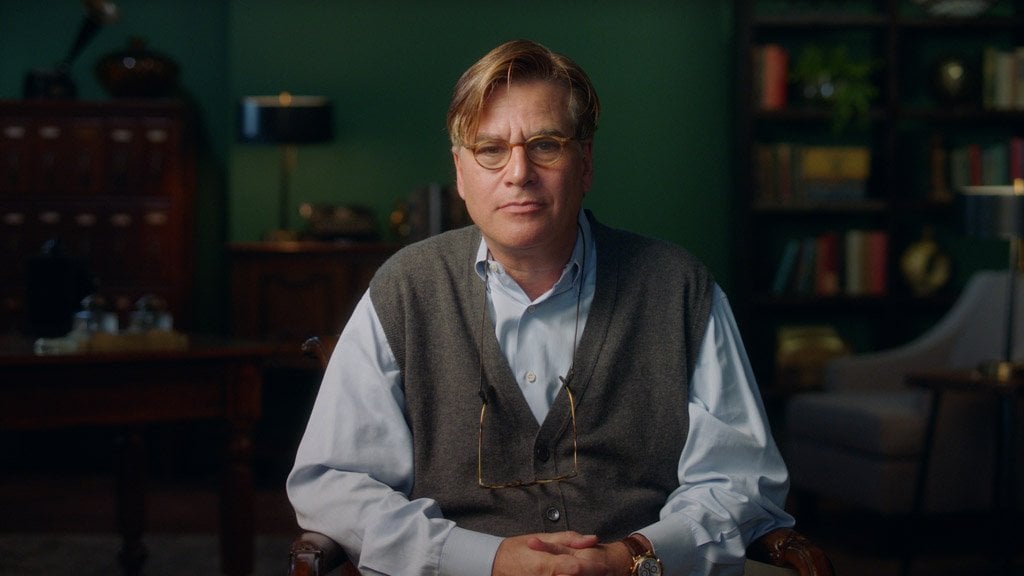
1) Aaron Sorkin Teaches Screenwriting
If you want a screenwriting class that feels like it has a spine, this is the one. Sorkin is famously specific about intention, obstacle, and rhythm, and he actually shows you how those ideas translate into pages. You will walk away with a clearer sense of how to build scenes that move like a train you cannot jump off.
- Best for: aspiring screenwriters, playwrights, writer-directors building dialogue-heavy work
- Why it ranks #1: concrete tools and a repeatable process
- Heads-up: if you hate structure, you will feel lovingly bullied by structure here
2) James Cameron Teaches Filmmaking
Directing can feel like an impossibly huge job until someone breaks down how shots, coverage, and story priorities actually function in the real world. Cameron delivers a director-brain perspective that is practical, especially if you are the kind of person who likes to understand the “why” behind every creative choice.
- Best for: directors, cinematography-minded creators, film students who want a systems-builder mindset
- Why it ranks high: strong big-picture thinking plus grounded decision logic
- Heads-up: it can lean more blockbuster in worldview, but the fundamentals translate
3) Shonda Rhimes Teaches Writing for Television
Shonda is the queen of “make me care right now.” This class is especially useful for understanding TV engines: character wants, stakes, reversals, and the momentum that keeps audiences clicking “next episode” at 1:17 a.m. There is also a motivational component that feels less cheesy and more “I have deadlines and so do you.”
- Best for: TV writers, emerging showrunner types, writers who need help with pace
- Why it works: focuses on viewer psychology and story propulsion
- Heads-up: if you are writing very quiet indie films, you will adapt the principles rather than copy them
4) Martin Scorsese Teaches Filmmaking
This is like getting a warm, cinephile-rich tour through the mind of one of the greatest directors alive. Scorsese offers deep perspective on taste, references, and the emotional power of editing and performance. It is less “do this exact thing in your next short” and more “here is how to think like an artist who has watched everything.”
- Best for: directors, editors, film lovers building their visual literacy
- Why it ranks here: incredible insight, slightly less step-by-step than Cameron
- Heads-up: you will want a notebook just for movie homework
5) Samuel L. Jackson Teaches Acting
If you need confidence, presence, and permission to take up space, Samuel L. Jackson is a shot of espresso. His approach is practical in the sense that it is rooted in professionalism and preparation, with a grounded emphasis on choices. It is also genuinely entertaining, which matters because acting study can get very serious, very fast.
- Best for: actors who want stronger on-camera authority and consistency
- Why it’s worth it: energizing and clear about craft habits
- Heads-up: you may want to pair this with scene study or on-camera training (plus audition and self-tape practice) for deeper reps
6) Ron Howard Teaches Directing
Ron Howard is the kind of teacher who makes the job feel doable. He is strong on collaboration, managing a set, and making choices under pressure without losing your humanity. If you are new to directing, this is comfort food with real nutrients.
- Best for: first-time directors, creators moving from writing to directing
- Why it lands mid-high: approachable, practical leadership lessons
- Heads-up: if you want hyper-technical blocking and lens breakdowns, pair it with other resources
7) David Lynch Teaches Creativity and Film
This one is for the dreamers. Lynch is less about “here is how to stage coverage” and more about protecting your inner creative signal from the noise. If you are blocked, scared, or playing it safe, you might find this class strangely liberating.
- Best for: artists craving originality, directors who want permission to be weird
- Why it’s still valuable: mindset is a tool, too
- Heads-up: not the most nuts-and-bolts course
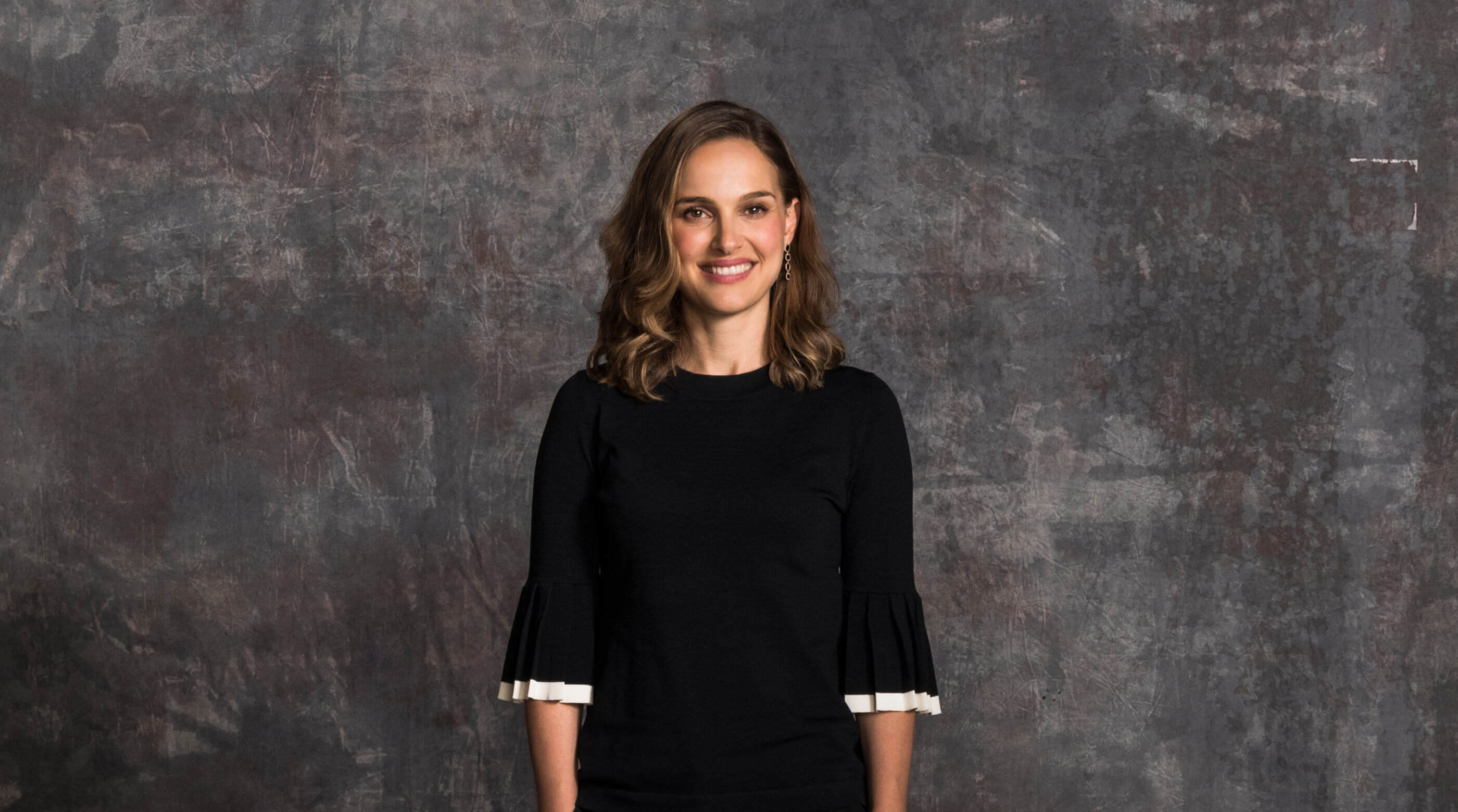
8) Natalie Portman Teaches Acting
Portman brings a thoughtful, actor-first approach that is grounded in empathy and preparation. The value here is in how she talks about building character, navigating set dynamics, and approaching performance with care. It is less “hard technique bootcamp” and more “how a working, respected actor thinks.”
- Best for: actors who want a gentle but smart perspective on craft and career
- Why it ranks here: strong insight, fewer drill-style exercises than top acting picks
- Heads-up: if you need ruthless audition strategy, you will supplement
9) Judd Apatow Teaches Comedy
Comedy writing is its own beast, and Apatow is excellent on process, persistence, and building a voice over time. This is particularly useful if you are trying to understand how comedic stories evolve through drafts and collaboration.
- Best for: comedy writers, improv-adjacent creators, anyone rewriting a funny script for the tenth time
- Why it can be worth it: normalizes the grind and offers practical development insight
- Heads-up: depends on your taste. If Apatow-style comedy is not your lane, take what serves you
10) Spike Lee Teaches Independent Filmmaking
Spike’s class has real value for indie filmmakers who need to think scrappy and bold. It is also a reminder that voice is not a marketing term, it is a point of view you are willing to stand behind. The best moments are about conviction and making choices that reflect who you are.
- Best for: indie directors, filmmakers building a distinct POV
- Why it lands here: inspiring and perspective-rich, sometimes less structured than top picks
- Heads-up: pair with a more technical directing course for a complete toolkit
Pick the right course
If you are staring at the catalog like it is a streaming menu and you are hungry but overwhelmed, here is the simplest way to choose:
- If you want the most practical writing upgrade: Aaron Sorkin (screenwriting) or Shonda Rhimes (TV writing)
- If you want directing fundamentals plus real-world thinking: James Cameron or Ron Howard
- If you want an artistic perspective that expands your taste: Martin Scorsese
- If you want an acting confidence reset: Samuel L. Jackson
- If you feel creatively numb or blocked: David Lynch
Get real ROI
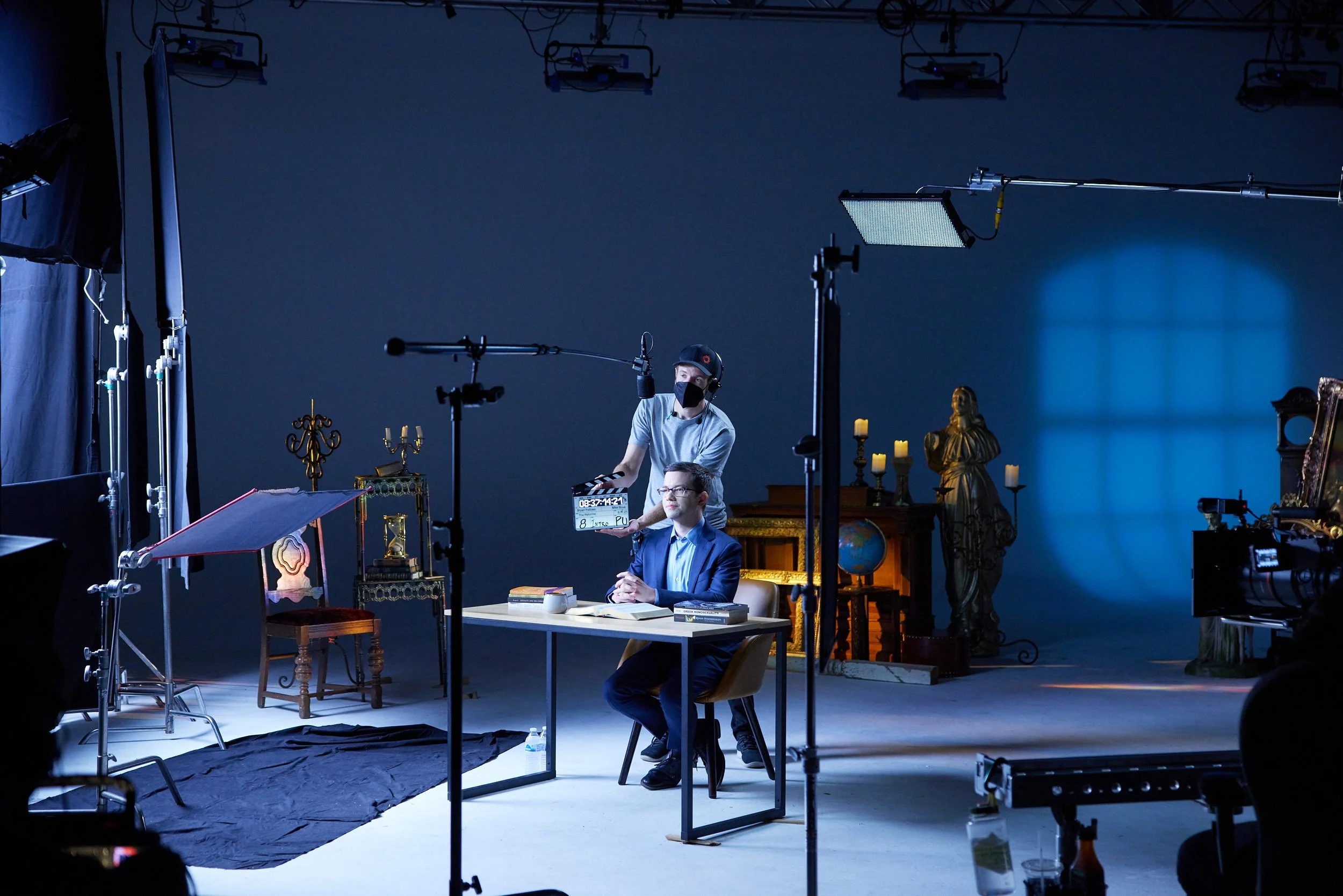
I say this with love because I have absolutely done the “I will learn screenwriting” thing while eating cereal and taking zero notes. If you want real ROI, do this:
- Watch once for flow. No pausing, just absorb the whole philosophy.
- Rewatch with a notebook. Stop and write down exercises, frameworks, and any “oh wow” moments.
- Build a tiny weekly assignment. Example: one two-page scene per week, or one directing breakdown of a favorite movie scene.
- Pair it with feedback. A class plus a writer’s group, acting coach, or short-film collaborator is where growth actually happens.
And yes, it is totally allowed to be a superfan while still taking the craft seriously. Hollywood is more fun when we treat creativity like something you can practice, not a magical gift you either have or do not.
Bottom line
The best celebrity-taught MasterClasses are the ones where you forget it is a celebrity and start focusing on the work. If you are deciding where to invest, prioritize courses that give you repeatable frameworks and assignments you can apply to your own scenes, scripts, and shoots.
If you want help choosing, drop what you are working on in the comments (short film, pilot, stand-up set, first screenplay). I will also add a pinned “what to take next” cheat sheet based on the most common scenarios readers bring up.