
There is a reason so many celebrity homes look like serene little resorts from the outside. Privacy is the aesthetic, and it is also the strategy. Stars are not just protecting designer handbags and a wine fridge. They are protecting their kids, their schedules, and their peace.
The good news: you do not need a gated compound in Beverly Hills to borrow the smartest, most realistic parts of celebrity-level security. Think layers. Think habits. Think “make my home a hard target” without making it feel like a bunker.
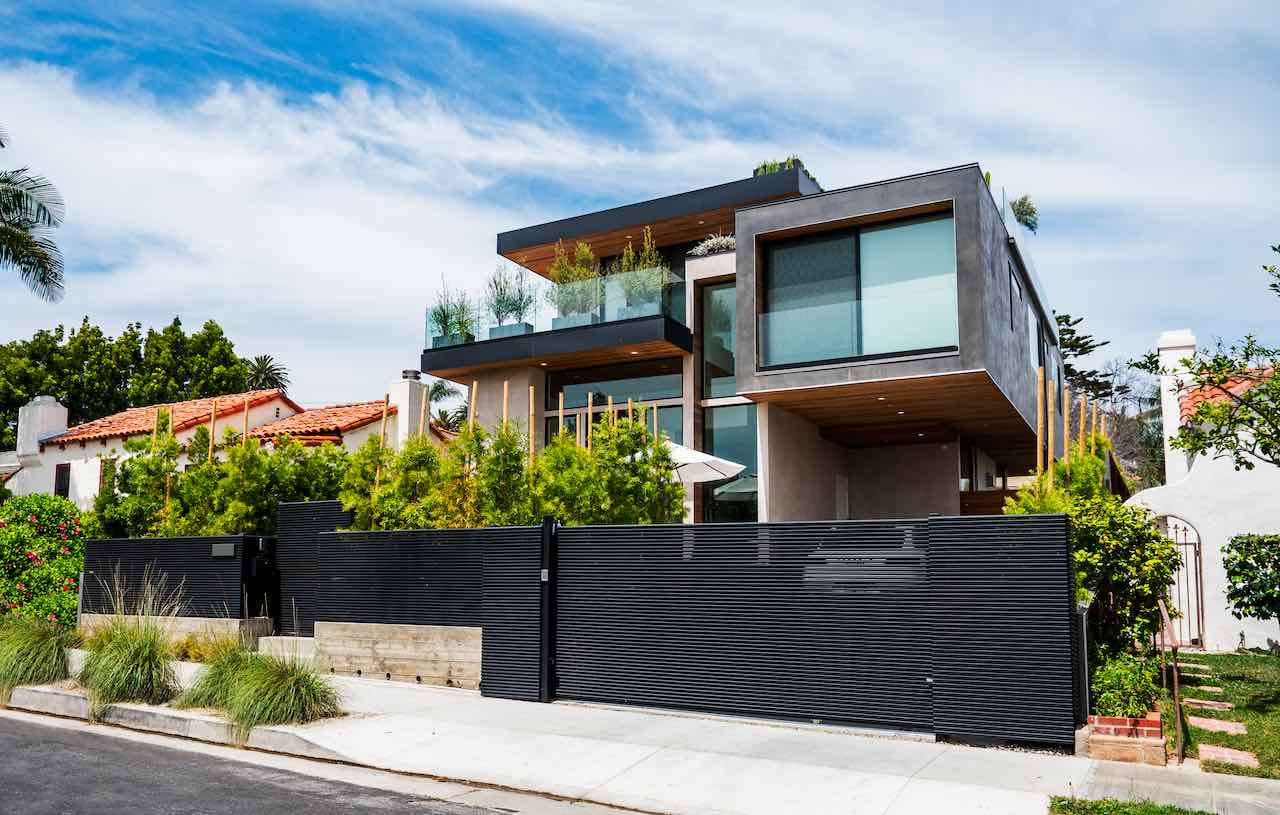
The celebrity mindset: layers, not locks
Most security professionals recommend thinking in layers, and high-profile households tend to follow the same playbook. The goal is to create multiple moments where a problem gets discouraged, detected, or stopped.
- Deterrence: Make it look difficult or risky to approach your home.
- Delay: If someone tries, slow them down.
- Detection: Cameras and sensors catch movement early.
- Response: You, neighbors, monitoring, and law enforcement know what to do next.
Even if you only upgrade one layer at a time, you are already playing the “star playbook.”
Privacy landscaping that actually protects you
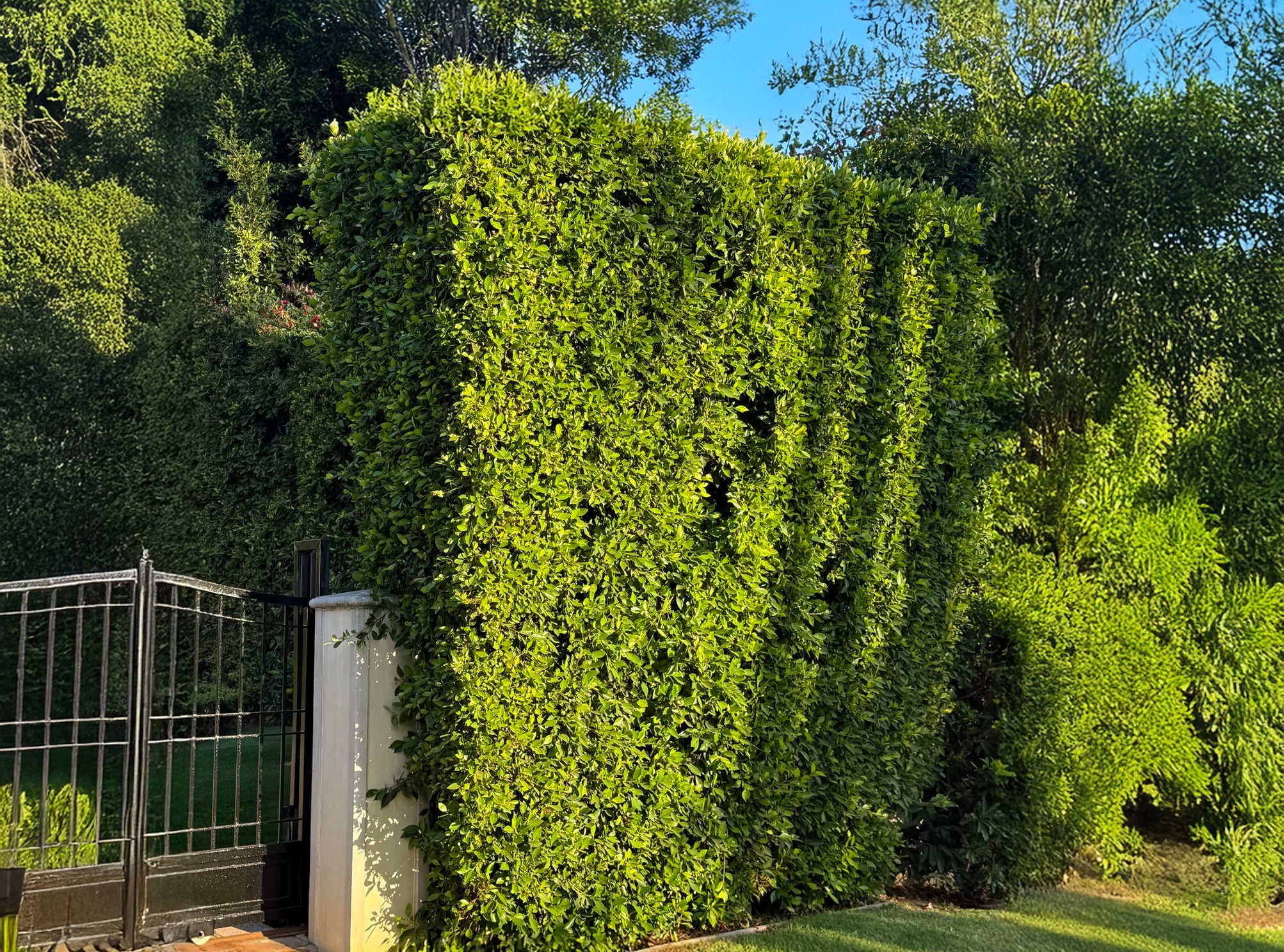
This is the part celebrities make look effortless: greenery that is gorgeous and functional. Privacy landscaping is not about hiding from the world. It is about controlling sightlines so strangers cannot casually watch your comings and goings.
Block sightlines to doors and routines
If someone can see your front door from the street, they can see package deliveries, when you leave for work, and when you return. A few strategic changes can help:
- Tall hedges or bamboo screening: Great for side yards and fence lines. In dry climates or wildfire-prone areas, choose and maintain plants with local defensible-space guidance in mind and keep them trimmed and irrigated as recommended by your local fire authority.
- Trees that canopy over, not shrubs that create hiding spots: Keep bushes near windows trimmed low so no one can crouch unseen.
- Decorative fencing with vertical slats: Lets light through while reducing visibility.
Gates and fences: clean perimeter
The “clean perimeter” rule is simple: define your property line clearly, then keep it tidy and observable. That means no clutter that creates cover and no easy access points that invite a quick hop over.
Practical perimeter upgrades
- Upgrade latches and hinges: Gates frequently fail at the hardware, not the design. Think loose hinge screws, sagging gates, or a latch that never quite catches.
- Add self-closing gates: If your gate swings open and stays open, your perimeter is basically decorative.
- Use anti-climb features tastefully: Vertical bars, tighter spacing, and smooth tops help without screaming “prison chic.”
- Lock the side yard: Side access is a favorite route because it is quieter and less visible from the street.
If you rent, you can still apply the perimeter mindset with door and window sensors, better lighting, and renter-friendly cameras.
Doors and windows: boring, crucial
Celebrity houses get the glamour shots, but the unglamorous basics do a lot of heavy lifting. If you want the highest impact for the least drama, harden the doors and windows you already have.
Quick reinforcement upgrades
- Use a quality deadbolt: Especially on exterior doors. If you have a smart lock, make sure the underlying hardware is solid too.
- Reinforce the strike plate: A sturdier strike plate and longer screws (appropriate for your door frame) can make forced entry harder.
- Check door frames and hinges: Tighten loose hinges and fix a sticky door that does not latch cleanly.
- Add simple window locks: Pin locks or secondary locks can help on older windows, especially on ground-floor or easy-to-reach windows.
Smart tech celebrities use, scaled down
Celebrity homes love smart systems because they reduce human error. The fewer “Oops, I forgot to lock the back door” moments, the better.
Start with the big three
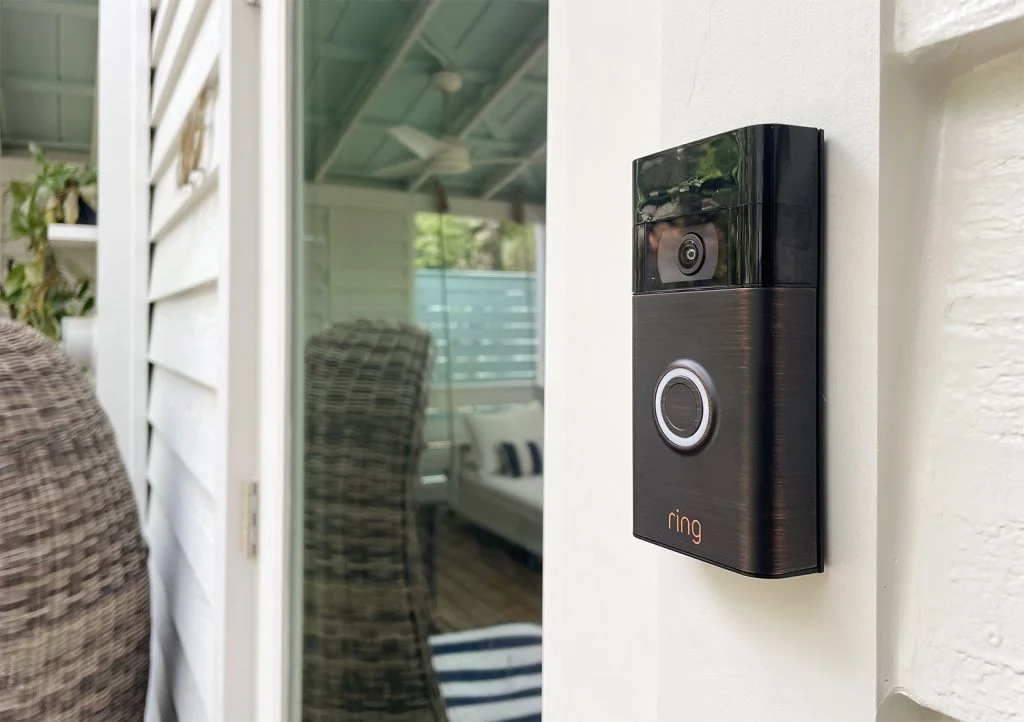
- Video doorbell: Great for deliveries, unexpected visitors, and documenting suspicious activity.
- Smart locks: Create unique codes for dog walkers, house cleaners, and guests. Then delete them when you are done.
- Smart exterior lighting: Motion-activated lights around entrances and side yards are low drama and high impact.
Pro tip straight from the celeb security mindset: do not place cameras only at the front door. Cover side gates, garages, and backyard access points too.
Monitoring: the quiet hero
There is a difference between having security gear and having a plan if something happens. Monitoring fills that gap. Many high-profile households use professional monitoring because it can shorten the chain from alert to action, especially when no one is watching their phone.
Pick a response style
- Self-monitoring: Cheaper, but you must be ready to respond quickly.
- Professional monitoring: Typically includes dispatch support for alarms and emergencies.
- Hybrid options: Some systems and plans allow a mix of self-monitoring and professional support, but features vary. Check what your provider actually offers before you buy.
Whatever you choose, confirm your address is correct in the app and that emergency contacts are up to date. It is the unsexy step that makes the glamorous tech actually work.
Make Wi-Fi part of security
A lot of people spend money on smart cameras, then forget the part where those cameras run on the internet. High-profile households often treat home networks like a security layer, not just a convenience.
Simple cybersecurity moves
- Change default router names and passwords immediately.
- Use a separate guest network for visitors and smart devices.
- Enable automatic updates on routers, cameras, and doorbells.
- Turn on two-factor authentication for security apps.
If you have ever given your Wi-Fi password to a group chat called “Beach Weekend,” this section is your gentle sign.
Protocols worth copying
Here is the truth: people who take security seriously do not rely on gadgets alone. They rely on routines, boundaries, and fewer predictable patterns.
Low-key rules that matter
- Do not post in real time: Share the vacation photo when you are home. Your future self will thank you.
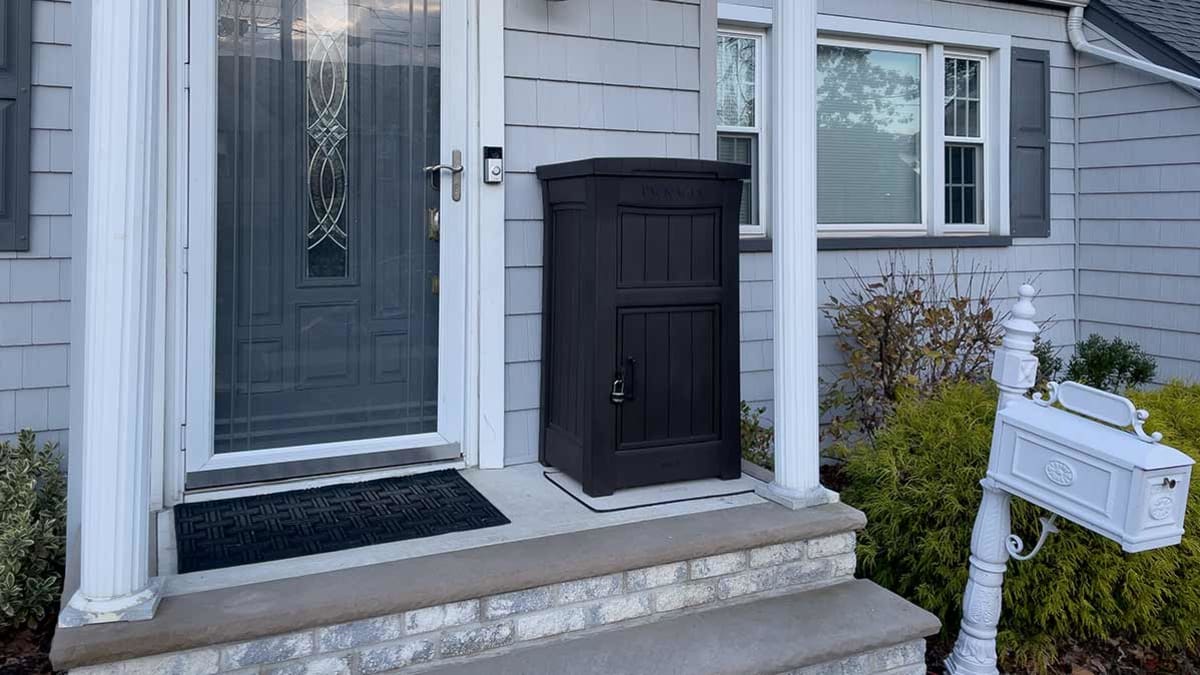
- Keep deliveries out of sight: Use a locked parcel box or request pickup points for high-value items.
- Vary your routines: Same gym time, same route, same days can create patterns.
- Lock up ladders and tools: The “break-in kit” is often already in the backyard.
- Create a code word: For kids, caregivers, and family. If someone is at the door claiming they were sent by you, the code word confirms it.
Safe rooms: do this instead
When people hear “celebrity home security,” they picture a safe room. For some high-profile families, it is a real thing. For most of us, the more realistic version is a safe plan.
Create a safe zone and plan
- Pick a room with a solid lock, minimal windows, and strong cell service.
- Keep essentials inside: Phone charger, flashlight, a door wedge, and a printed emergency contact list.
- Practice the plan: Especially if you have kids or live with roommates. Make it calm, not scary.
Safety note: if you think someone is in the home, do not go investigating. Get to your safe zone, lock the door, and call emergency services. If you use monitoring, follow their instructions too.
If you want an extra layer, consider a monitored alarm system with panic buttons or an app-based emergency feature.
Lighting that pulls double duty
Stars love moody exterior lighting for design reasons, but good lighting is also a security move. Darkness is cover. Light is information.
Where to light
- Paths and steps: Safety plus visibility.
- Entry points: Front door, garage door, side gate.
- Backyard corners: Especially near fences and tall landscaping.
Look for warm, downward-facing fixtures so you are not blasting your neighbors like a studio lot at midnight.
Cameras: privacy matters too
Cameras are powerful, and they come with responsibilities. The goal is security, not turning your block into a reality show set.
Common-sense camera rules
- Aim at your property: Avoid pointing cameras into neighbors’ windows or private areas.
- Follow local laws: Rules around recording audio and video vary by location.
- Be transparent at home: If you have caregivers, cleaners, or frequent guests, set expectations about cameras in shared spaces.
What about dogs?
I am biased because my rescue dog Barnaby takes “neighborhood watch” personally, but dogs can be a real deterrent. Even small dogs can create noise and attention, which most intruders hate.
Realistic dog security
- Dogs are not a replacement for locks, lights, and cameras.
- “Beware of dog” signs may deter some people, but rules and liability can vary by jurisdiction. If you use signage, make sure it fits your local norms and your actual situation.
- Keep gates locked so your dog cannot be lured out or stolen.
Apartment and renter-friendly moves
You do not need a driveway gate to level up your security. Plenty of celebrities live in buildings too, especially when they are filming or keeping a lower profile.
High impact, low commitment
- Portable door lock or door jammer for extra resistance.
- Window alarms for ground-floor units.
- Peephole camera or video doorbell alternatives that are lease-friendly. Always check your building rules before installing anything.
- Motion sensor lights for balconies and patios where allowed.
Also: get to know your neighbors. It is not glamorous, but it is one of the best security systems available.
Weekend checklist
- Trim shrubs near windows so there are no hiding spots.
- Add motion lighting to the side yard or entry path.
- Check door hardware: deadbolt, strike plate, hinges, and that the door latches cleanly.
- Change router and camera passwords, enable two-factor authentication.
- Create unique access codes for anyone who enters your home.
- Set up a package plan, either a locked box or a pickup location.
- Decide on your safe zone and write a simple emergency plan.
Celebrity security is not about paranoia. It is about protecting your peace so your home actually feels like home. And honestly, that is a Hollywood habit I fully support.