
There are two kinds of red carpet moments that stop you mid-scroll. The first is the brand new gown that looks like it was stitched onto someone’s body in real time. The second is the time capsule look, the kind that makes fashion historians whisper and the internet immediately ask, “Wait, is that… original?”
Right now, celebrities and their stylists are often choosing between two power moves: commissioning custom haute couture (a modern, made-for-you creation) or pulling archival vintage (a rare historical garment, often sourced from a fashion archive, collector, or resale specialist). Both can be iconic. Both can be risky. And both say a lot about how a star wants to be seen.
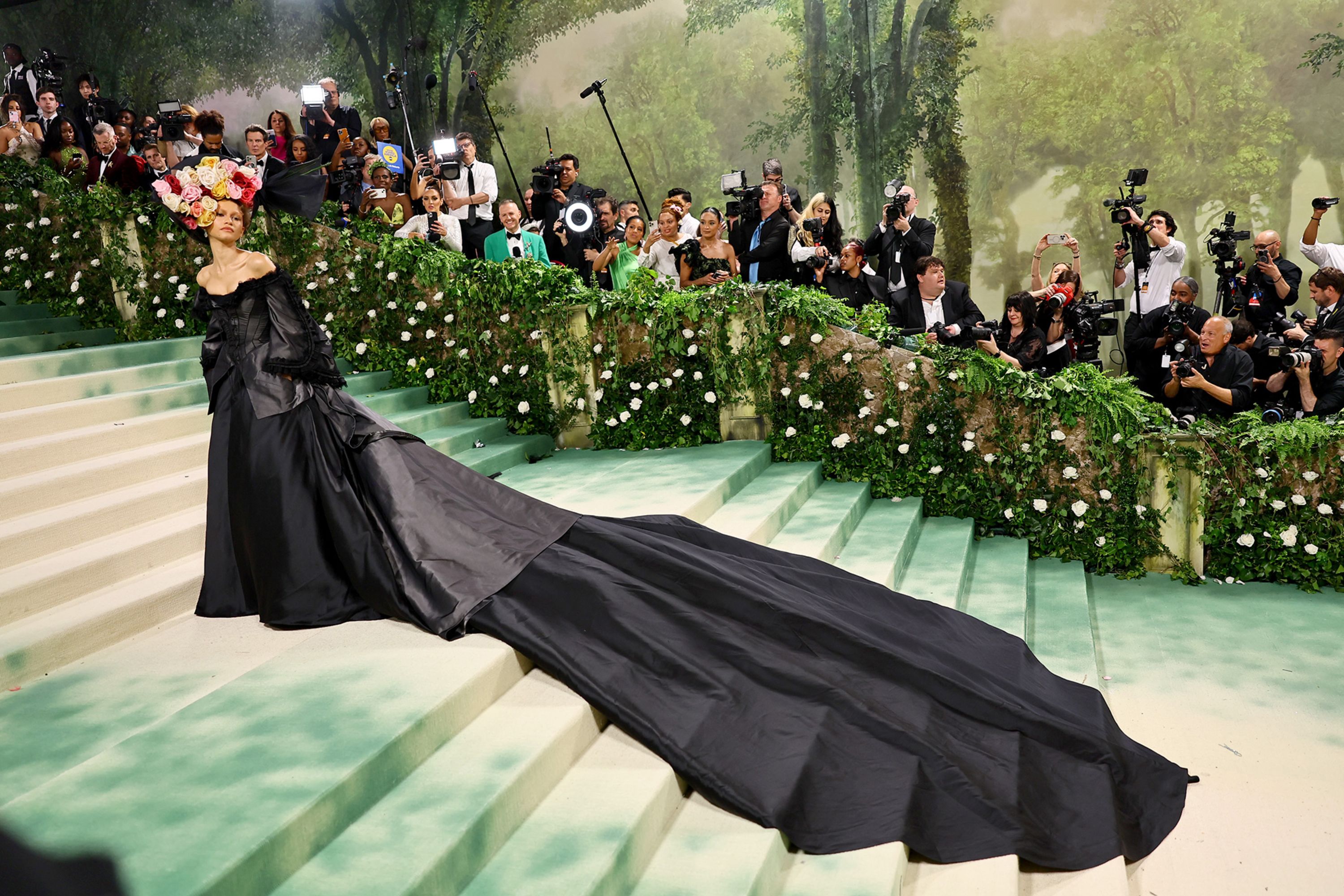
What “custom couture” means
Let’s clear up a common confusion: not every custom dress is couture. Haute couture is a legally protected designation in France, governed through the couture system overseen by the Fédération de la Haute Couture et de la Mode (via its couture bodies), with strict standards and an official calendar. But in everyday red carpet conversation, people often use “couture” to mean “very high-end custom.”
On a celebrity, a custom couture moment usually looks like:
- A made-to-measure pattern built to their exact proportions
- Multiple fittings, sometimes with travel involved
- Handwork that can take hundreds of hours: embroidery, beading, appliqué, featherwork
- A strategic partnership with a fashion house that benefits from global coverage
This is the route when a star wants control. Control over silhouette, comfort, movement, modesty, and how the gown will read under flash photography.
Why celebrities love custom
Custom is a dream if you are trying to hit a very specific “main character” note.
- Fit is the headline. A gown engineered for one body is harder to beat than a sample size that has been altered in a rush.
- It can be thematic. Awards season and events like the Met Gala reward storytelling , and custom lets a designer build symbolism into fabric choices, motifs, and construction.
- It is a brand moment. If the star is aligned with a fashion house, custom is part of the relationship, like a trailer drop that happens to be made of silk.
The quiet downsides
Custom also comes with its own pressure cooker reality:
- Time crunch. The closer you get to the event, the more a tiny change becomes a domino effect.
- Creative risk. A sketch can look unreal and then feel heavy, stiff, or fussy in motion.
- The “who wore it first” problem. Custom avoids repeats, but it also raises expectations. If you are going custom, people expect a moment.
What “archival vintage” is
“Vintage” on the internet can mean anything older than a TikTok trend cycle. In red carpet terms, archival usually points to a piece from a specific past collection, often runway, couture, or historically significant ready-to-wear, ideally with provenance that can be traced. That said, the word gets used loosely in press and on social, so it is worth treating it as a claim to be verified, not a guarantee.
This can involve:
- Fashion house archives (often tightly controlled, sometimes inaccessible)
- Private collectors and vintage dealers who specialize in designer pieces
- Luxury resale and auction ecosystems where documentation matters
When a celebrity steps out in archival, it is not just “wearing something old.” It is wearing a piece of fashion history on a night when every camera is a microscope.
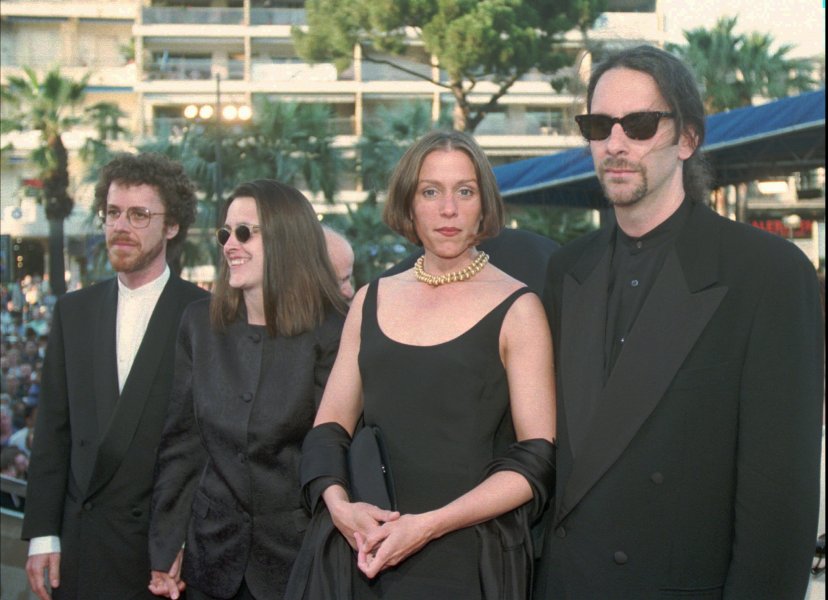
Why archival hits
Archival fashion delivers something custom cannot always manufacture: authentic aura. That feeling that the garment has a past, a story, and a specific place in the culture.
1) Instant narrative
“This gown is from the designer’s 1997 collection” is a storyline in a single sentence. It invites curiosity and rewards people who care about fashion beyond a single night.
2) Credibility and taste signaling
Wearing archival can read as fashion fluency. It can say, “I know the references, and I respect the craft.” For stars who want to be taken seriously in style spaces, it can be a smart pivot.
3) Sustainability, with an asterisk
Rewearing existing garments is often positioned as the more sustainable choice, and in many cases it is. But the reality is nuanced. The impact varies depending on shipping distance, insurance logistics, conservation needs, and restoration work. Archival is not automatically “green,” but it often means less demand for new production , which can matter if it genuinely replaces a newly made look.
The trade-offs no one sees
- Fragility. Older textiles can be delicate, especially beads, silk, and adhesives used in past eras.
- Fit limitations. You can tailor some things, but too much alteration can damage the garment and reduce historical value.
- Access is unequal. Archival pieces often go to celebrities with strong stylist relationships and serious insurance backing.
The gray area
This is where the language gets slippery, because the red carpet loves a clean label and real life rarely cooperates.
- Custom vs. bespoke vs. made-to-measure: People use these interchangeably, but they can signal different levels of pattern-making and handwork. A made-to-measure look might be based on an existing block adjusted to fit, while a truly bespoke build is constructed from the ground up for one person.
- Archival vs. vintage vs. “from the archives”: “Archival” can mean a documented piece from a specific season, but it can also be used as shorthand for “older designer.” Sometimes a look is not archival at all, just archive-inspired, which can still be fabulous, just different.
If you love receipts, look for press language like: “Spring 2003 couture,” “on loan from the brand archive,” “from a private collection,” or “pulled from the maison’s archives.” Those details are usually doing a lot of work.
How stylists decide
If you imagine a stylist picking a gown based on vibes alone, I have to lovingly tell you: the vibe is the final filter. The process is closer to a high-stakes project plan with emotional stakes and a group chat that never sleeps.
Body and movement
Custom typically wins for comfort, especially for celebrities who plan to sit through a long ceremony, present an award, and then do after-parties. Archival can be surprisingly wearable, but it can also be stiff, heavy, or not built for modern red carpet logistics.
Event rules and theme
Some events reward historical referencing and fashion scholarship, while others reward sheer glamour. A themed event can make archival feel like the most authentic choice. A classic awards show can make custom feel safer.
Brand politics
Yes, politics. Couture houses prioritize certain clients, and stylists also navigate who is aligned with which brand. Archival can be a way to step outside the current season’s fashion assignments, but it can also complicate partnerships if a star is expected to wear a specific label.
Press strategy
Custom gives you a clean narrative: “Designed for her.” Archival gives you a hook: “A rare piece from the vault.” Stylists think about which headline a client wants the next morning.
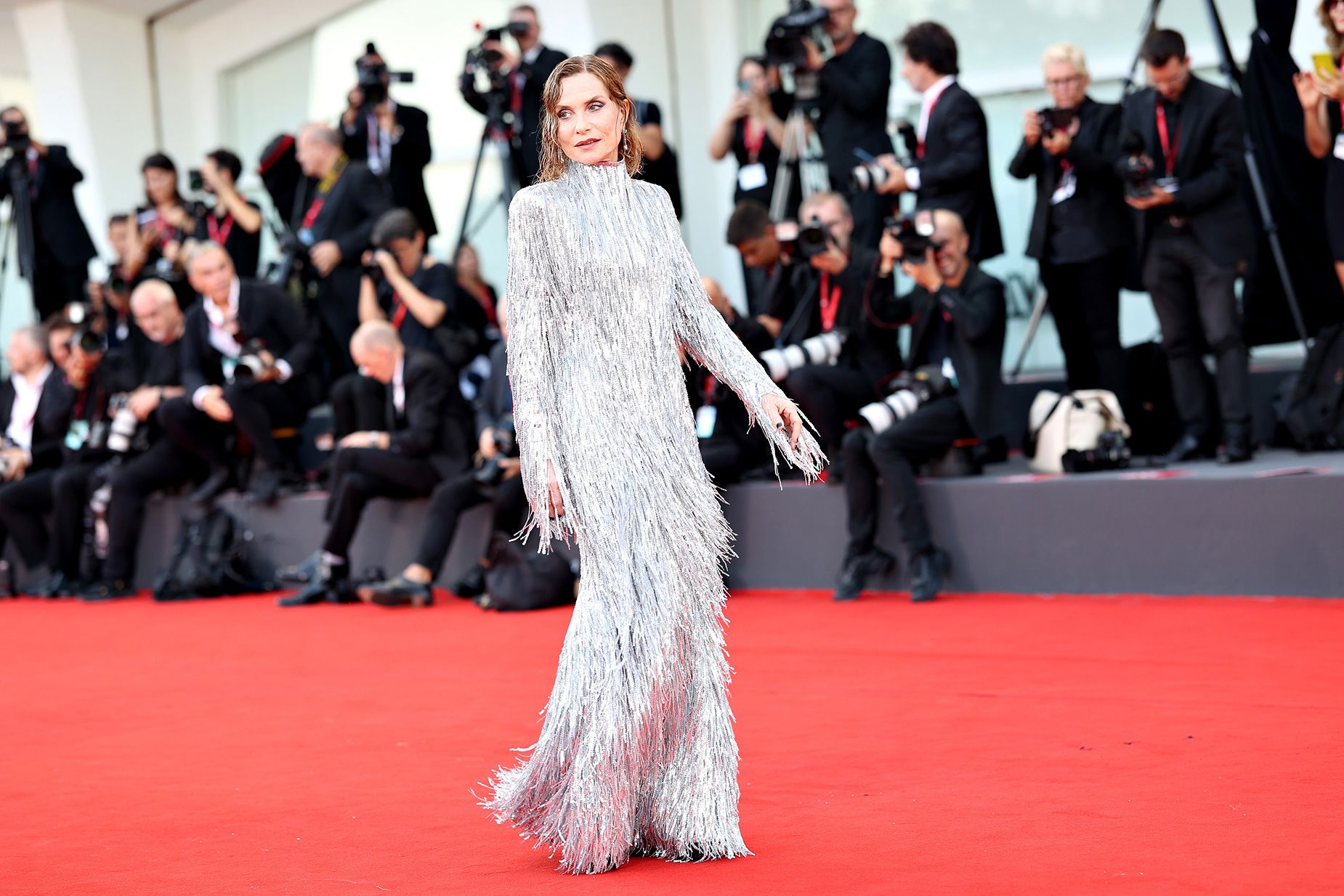
Risk management
Here is what makes me respect red carpet teams even more: the best looks are not only beautiful, they are managed. Behind the scenes, these are the big risk categories.
For custom couture
- Last-minute tailoring. Bodies fluctuate, schedules change, and a tiny fit issue can become a comfort crisis.
- Technical surprises. A fabric that photographs beautifully might wrinkle, reflect flash oddly, or restrict walking.
- Shipping and timing. Getting a gown across borders with enough buffer for fixes is a whole operation.
For archival vintage
- Conservation rules. Some garments come with strict limitations: no heavy jewelry, limited movement, no sitting without protective layers.
- Damage anxiety. A snag can be more than a styling mishap. It can be a loss of history.
- Insurance and security. We are talking serious valuations, specialized handling, and sometimes dedicated oversight.
So which one wins?
Honestly, the winner is the choice that feels intentional. Custom couture is unbeatable when a celebrity wants precision, comfort, and a tailored narrative that matches their current era. Archival vintage is unmatched when the goal is to channel fashion history, create instant cultural conversation, and show real style point of view.
And the most exciting red carpet seasons tend to mix both. One night, a star will debut a fresh-from-the-atelier masterpiece. The next, someone will step out in a gown that has already lived a life, and somehow looks more alive than ever.
In the end, it is not “new versus old.” It is craftsmanship versus craftsmanship, story versus story. The best gowns just happen to have great lighting.
What to watch for
If you want to clock the custom-versus-archival debate like a stylist does, keep an eye on:
- Language in press notes: “Custom,” “made-to-measure,” “on loan,” and “from the archive” are used very deliberately.
- Construction clues: Perfectly placed seams and modern support often signal custom. Period silhouettes and vintage finishing can hint archival.
- Rewear culture: More celebrities are repeating looks or pulling from older eras as sustainability and individuality become bigger talking points.
- Hair and makeup alignment: Teams often style to match the era for archival , or to modernize it on purpose.
And if you see a celebrity moving like they are protecting a priceless artifact, you might be looking at the rarest accessory of all: fashion history that made it to the carpet in one piece.