Hollywood loves a glow-up, and lately the most interesting home makeovers are not about marble waterfalls or 47-seat theaters. They are about smarter energy, cleaner air, and materials that do not make your sinuses file a complaint.
From LEED-certified builds to solar-powered estates, a growing group of celebrities are putting their money where their values are. And honestly, the best part is that you can borrow a lot of these ideas on a normal-person budget.

Why it matters
I know, I know. Taking advice from people with infinity pools can feel a little ridiculous. But celebrity homes can be a sneak peek into what is coming next in design and construction, because stars often adopt new building tech early.
When a well-known name chooses solar, low-toxicity materials, or LEED certification, it helps normalize upgrades that benefit everyone: lower utility bills, more resilient homes during heat waves, and indoor air that feels noticeably better.
LEED living
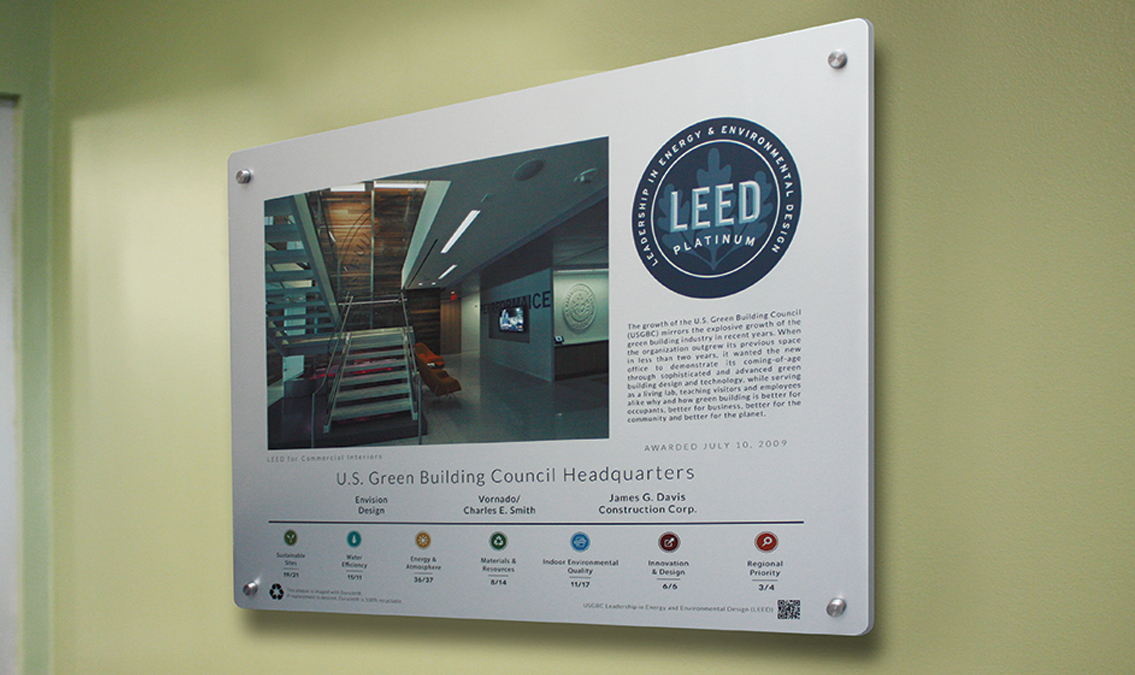
If you have ever heard a star casually mention their home is “LEED,” they are not talking about a fancy paint color. LEED stands for Leadership in Energy and Environmental Design, a rating system run by the U.S. Green Building Council (USGBC) that rewards buildings for energy efficiency, water savings, sustainable materials, and healthier indoor environments.
Who has gone LEED?
Bryan Cranston is one of the best-known examples here. He rebuilt a home in Ventura County that was reported to achieve LEED Platinum, the top tier. It is the kind of project that proves “green” can still be seriously high design.
Leonardo DiCaprio is a more straightforward example on the advocacy side. He has been public for years about climate issues through his environmental work. If you are here for actionable takeaways, treat him as the reminder that values-led choices are not just a press release, they can be a renovation plan.
Why it matters: LEED is not just a vibe. It is a measurable standard. Even if you do not pursue certification, the checklist is a great blueprint for what to prioritize.
- Energy: high-performance windows, insulation, efficient HVAC
- Water: low-flow fixtures, drought-tolerant landscaping
- Materials: responsibly sourced wood, recycled content, low-VOC finishes
- Indoor air: ventilation, filtration, non-toxic products
Solar energy
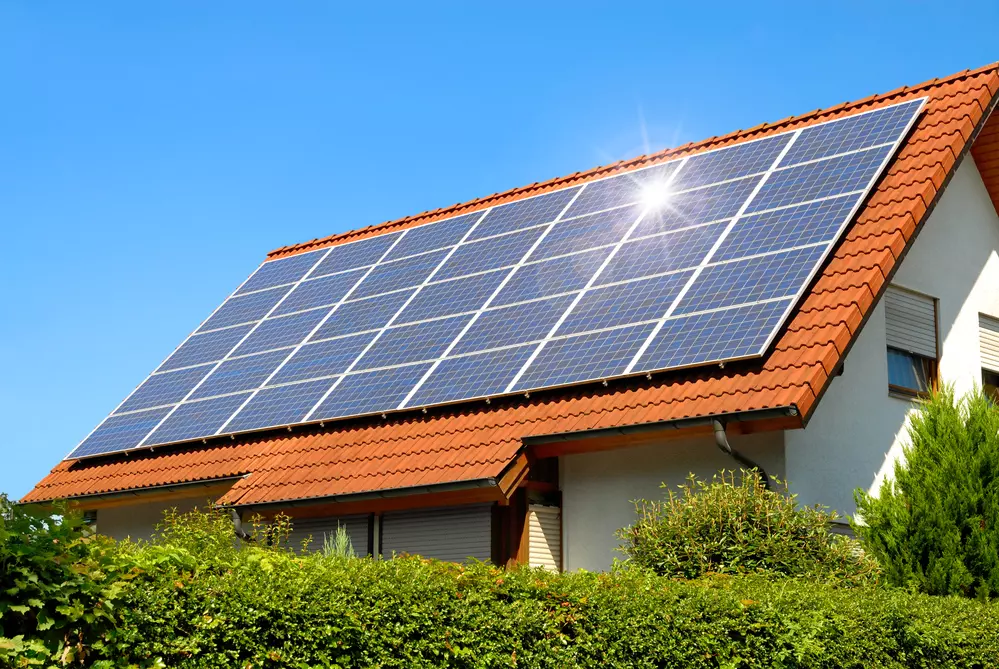
Solar is one of those upgrades that used to feel like a sci-fi flex and now feels like a genuinely practical choice, especially in sunny markets like California, Arizona, Nevada, and Florida.
A quick reality check, though: solar is not one-size-fits-all. Your payoff depends on your roof condition and orientation, local utility rates, net metering rules, and incentives that can change over time. Translation: get multiple proposals, compare assumptions, and do not let anyone “estimate” your way into a 25-year contract.
Some celebrities have been connected to solar and renewable energy conversations for years. If you cannot verify a specific private-home install, the safer (and honestly more useful) move is to focus on the upgrade itself: generate clean power, pair it with efficient appliances, and cut your dependency on the grid.
Steal this star move
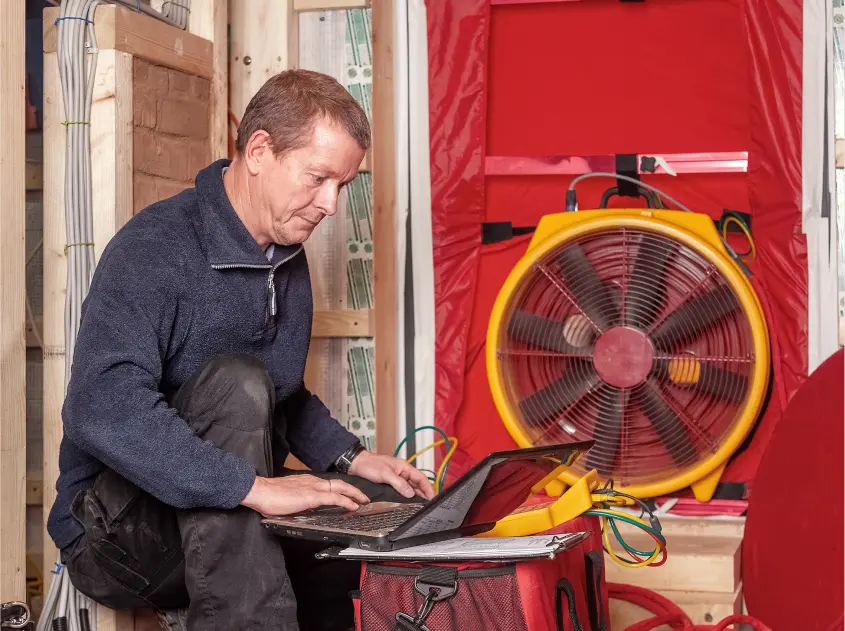
- Phase 1: get an energy audit first so you are not putting panels on a leaky, inefficient house
- Phase 2: install solar panels sized to your real usage
- Phase 3: consider a battery if outages are common where you live
- Phase 4: upgrade big-ticket electric items (water heater, HVAC) over time
Chloe note: solar works best when your home is already efficient. Think of it like putting couture on after you have hydrated. It is all about the base.
Electrify the big stuff
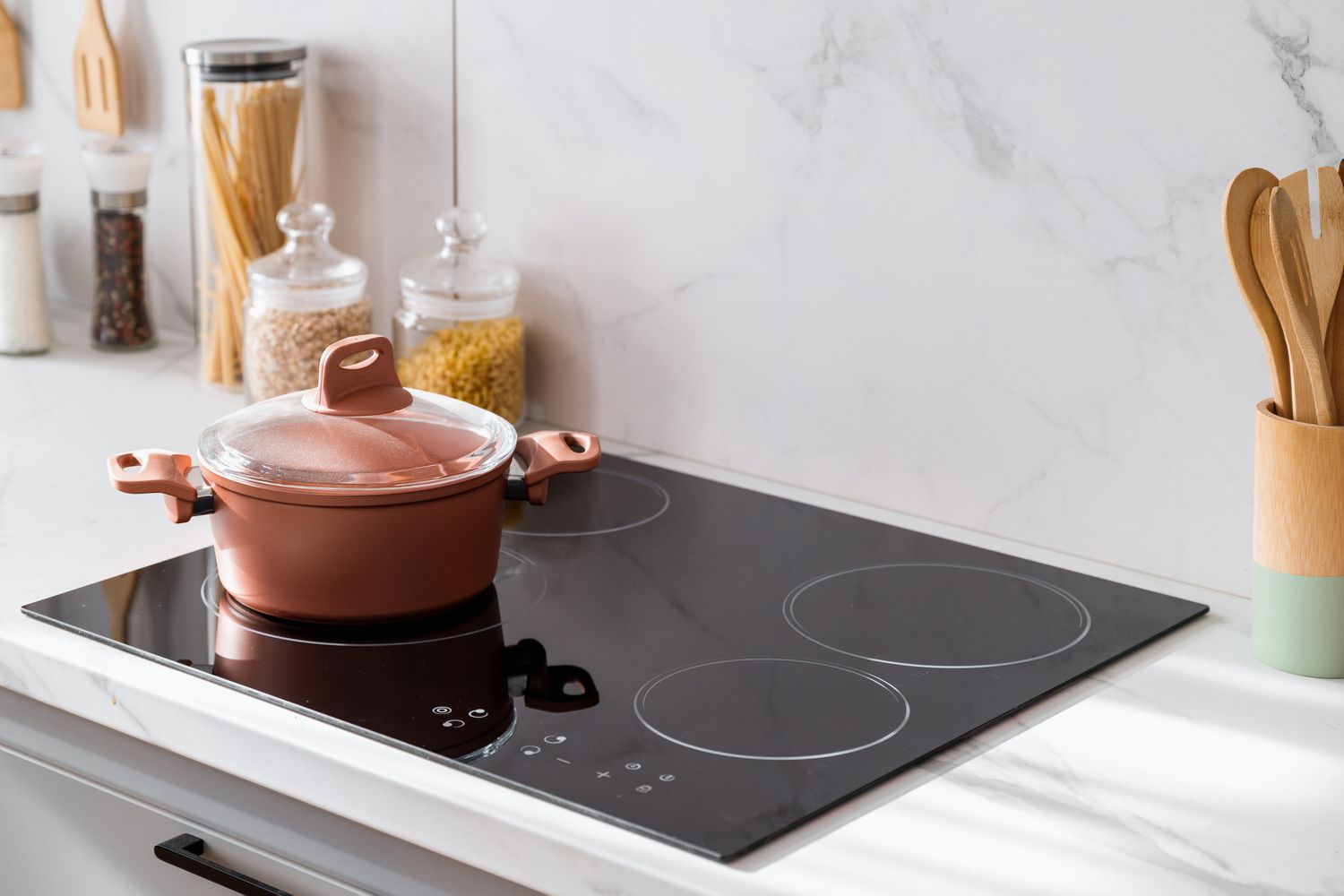
If sustainable design had a main character right now, it would be electrification. Swapping gas appliances for efficient electric options can cut emissions, improve indoor air, and future-proof your home as grids get cleaner.
Smart upgrades
- Heat pump HVAC: efficient heating and cooling in one system
- Heat pump water heater: a quieter, more efficient way to heat water
- Induction range: fast cooking with less indoor combustion pollution
Even if you do one of these, it pairs beautifully with solar later. It is the long game, but it is a good one.
Sustainable materials
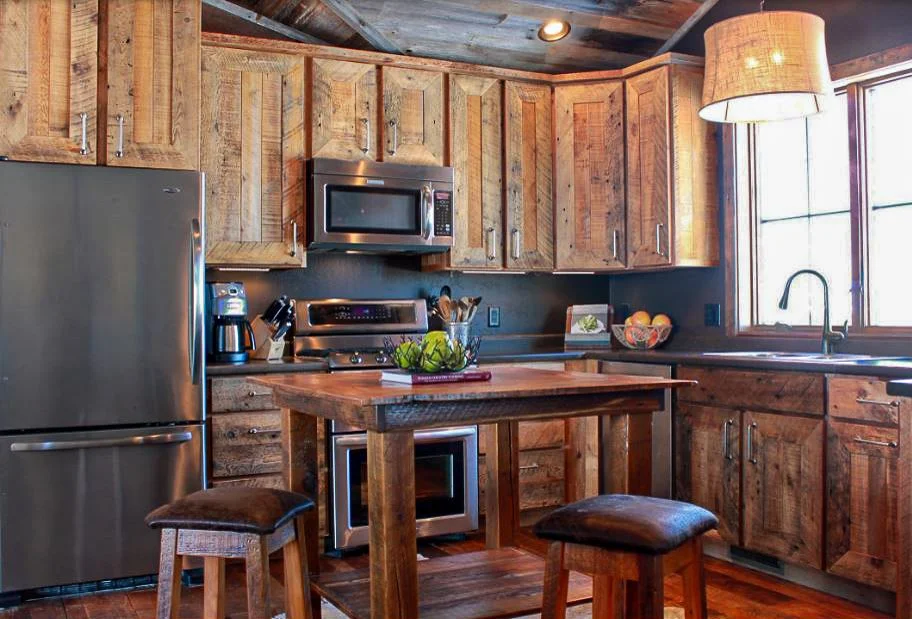
The old stereotype of sustainable materials was “it looks like it belongs in a co-op.” Not anymore. Designers working with celebrity clients have helped prove that eco-friendly can still be glossy, elevated, and very camera-ready.
Materials to copy
- Reclaimed wood: adds warmth and reduces demand for new timber
- FSC-certified lumber: supports responsibly managed forests
- Bamboo: fast-growing and durable for flooring and cabinetry (quality varies, so vet brands)
- Recycled glass or recycled-content countertops: a beautiful alternative to quarried stone
- Low-VOC paints and finishes: less off-gassing, better indoor air quality
If you are renovating, ask for documentation. “Sustainable” is not a magic word, and some products are greener in marketing than reality.
Water-wise yards
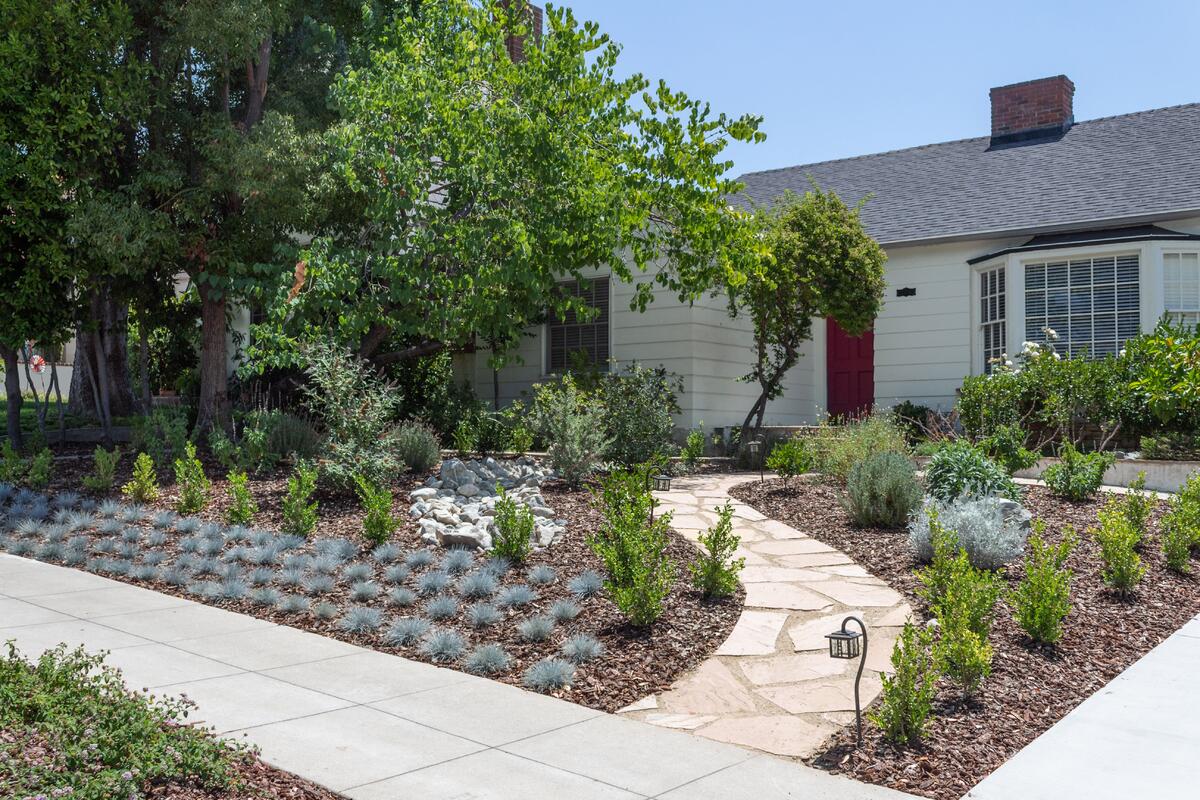
In Southern California, the most responsible celebrity yard is often the least thirsty one. Drought-tolerant landscaping, native plants, and smart irrigation are becoming the new status symbols, because they look chic and they make sense.
Easy upgrades
- Swap one patch of lawn: convert a small section to native plants or gravel with stepping stones
- Add drip irrigation: targets roots directly and wastes less water
- Use mulch: helps soil hold moisture and reduces evaporation
- Choose natives: they thrive with less water once established
Healthy home basics
This is the behind-the-scenes category I wish got more headlines. A truly sustainable home is not only about carbon, it is also about the people living inside it. Indoor air quality and non-toxic choices matter, especially if you have kids, allergies, or pets who treat your living room rug like a second dinner plate.
Small changes
- Upgrade your air filters: use the highest MERV rating your HVAC system can handle. If you go too high, you can restrict airflow and stress older systems, so check your unit specs or ask an HVAC pro.
- Add a HEPA air purifier: especially in bedrooms
- Choose low-VOC paint: during any refresh, even a single room
- Avoid heavy synthetic fragrances: swap to fragrance-free or naturally scented options
Sustainability is not just saving the planet. It is building a home that helps you feel calm, healthy, and supported when the doors close.
Costs and incentives
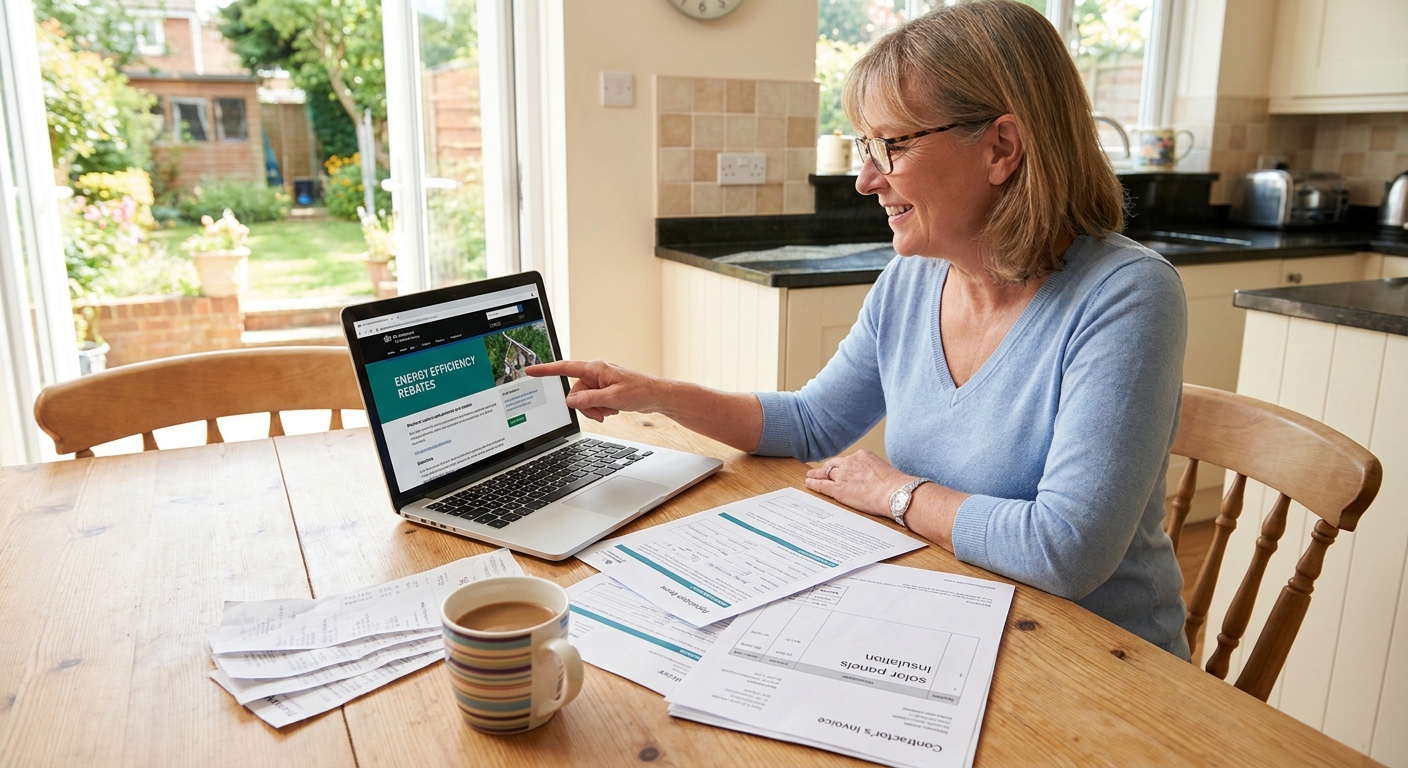
It is not glamorous, but it is where the math gets good. Start with your utility company and state energy office for rebates, then check what federal tax credits apply where you live. Incentives can shift year to year, so verify before you sign anything.
- Energy audits: sometimes discounted or reimbursed through utilities
- Solar: incentives and buyback rules vary by state and utility
- Heat pumps and insulation: often eligible for rebates or tax credits
Your checklist
If you want the sustainable celebrity-home energy without the celebrity-home budget, start here. Pick one from each category and build momentum.
- Energy: smart thermostat, LED lighting, insulation check
- Solar: get quotes, confirm roof condition, explore incentives
- Materials: low-VOC paint, reclaimed wood accent, recycled-content surfaces
- Water: low-flow fixtures, drip irrigation, native plants
- Health: better filters, HEPA purifier, non-toxic cleaning products
- Electrify: induction, heat pump water heater, heat pump HVAC
And if you do nothing else, do this: schedule an energy audit. It is the least glamorous suggestion in this whole piece, which is exactly why it works.