
There are few Hollywood thrills that feel as instantly real as walking into a late-night studio. One minute you're in a perfectly normal line, the next you're clapping on cue while a celebrity you've only seen on your phone strolls out like it's no big deal. The best part: for most major late-night shows, tickets are free. The tricky part: they're also limited, in high demand, and sometimes disappear faster than a trending breakup rumor.
Below is your no-stress, fan-friendly roadmap for scoring audience tickets for late-night celebrity interviews, including how lotteries actually work, when standby is worth it, and the small details that can make or break your taping day.

How late-night tickets work
Most late-night shows use one (or a mix) of these systems:
- Online request or lottery: You submit dates you can attend and hope you get confirmed.
- Waitlist: If the first wave of confirmed guests cancels, you might get upgraded.
- Standby line: You show up in person and hope no-shows create extra seats.
A key myth to drop right now: tickets aren't “sold out” in the traditional sense. They're allocated. The audience department is building a full crowd every single taping, and your job is to fit into their puzzle at the right time.
Step 1: Pick a show and city
Before you obsess over which celebrity might appear, lock in what's actually feasible for you.
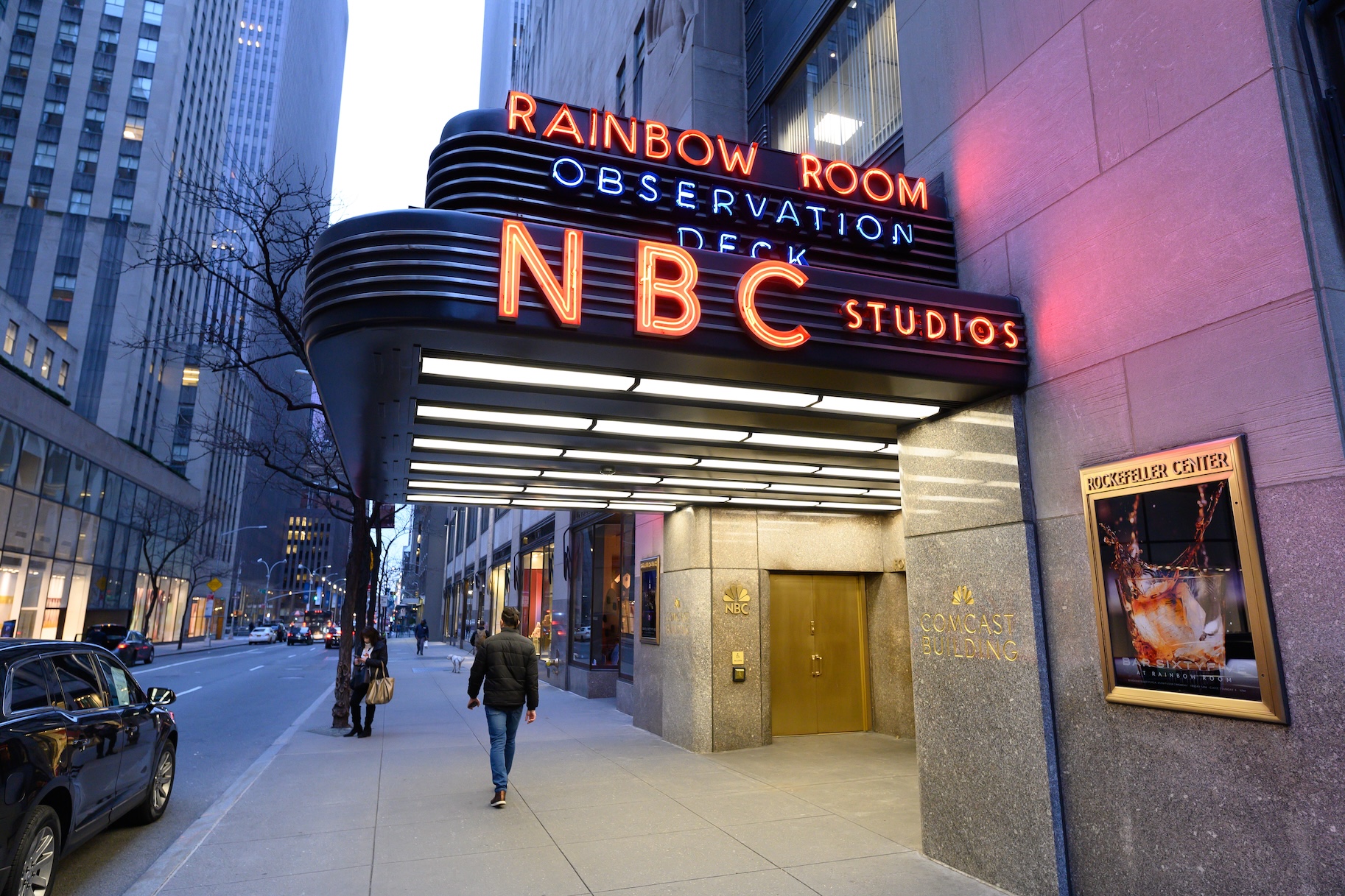
New York City
Many NYC shows tape on weekdays and have strong lottery systems. Expect earlier arrival windows and tighter security.
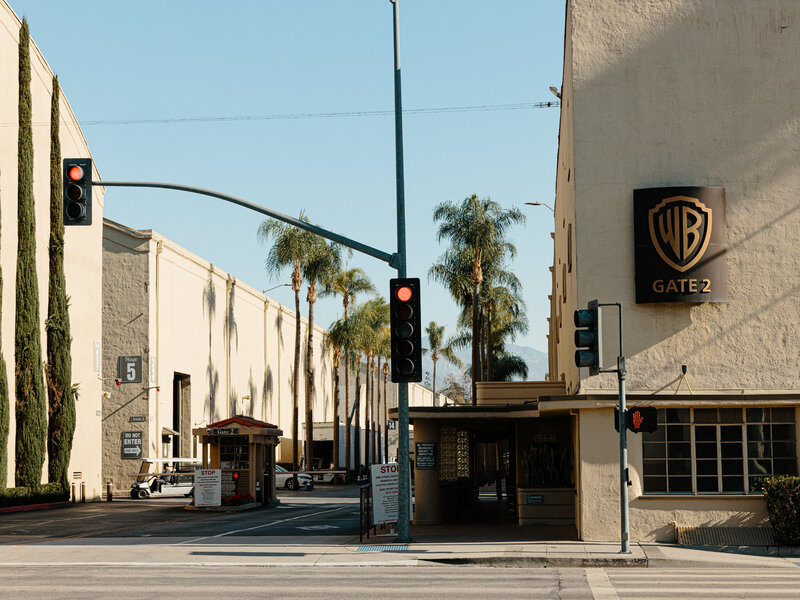
Los Angeles
LA tapings can feel more spread out across studio lots. Parking and commute time matter more than you think, especially during rush hour.
What about guests?
Guest lists are usually announced close to air date, and they can change last minute. If your main goal is “see a famous person,” late-night is perfect. If your goal is “see one specific famous person,” be prepared to be flexible and a little lucky.
Step 2: Use official sources only
This is where my former-publicist brain gets protective: don't buy late-night tickets from resellers . For most major shows, audience tickets are free and non-transferable (or tightly controlled). Third-party sites can be misleading, and best-case scenario you waste money. Worst-case scenario you show up and can't get in.
Stick to the show's official ticket page or the show's official ticketing partner. The most common legit platforms you'll see for major late-night and studio audiences include:
- 1iota
- On-Camera Audiences
- ShowClix (used by some venues and events)
- Universe (occasionally used for limited releases)
If a listing isn't linked from the show or network's official site, treat it like a red flag.
- Tip: Create your account early, fill out your profile completely, and verify your email so you're ready when new dates drop.
- Tip: Use a reliable email address and check your spam folder. Confirmations sometimes have short deadlines.
Step 3: Master the lottery
Lotteries feel random, but you can absolutely improve your odds.
Request smart, not desperate
- Be flexible with dates. The more dates you can attend, the easier it is to place you.
- Aim for less competitive tapings. Midweek can be easier than Monday or Thursday, and non-holiday weeks tend to be calmer.
- Submit early. Some systems reward early requests, and even when they don't, you're first in line if they add seats later.
What “confirmed” really means
Most shows overbook slightly because people cancel or no-show. Even with a confirmed ticket, you still need to:
- Arrive during the check-in window
- Bring valid ID matching your reservation
- Follow dress and bag rules
If you miss check-in, your seat can go to standby, and the standby line's filled with people who'll be thrilled to take it.
Step 4: Standby basics
If you didn't get a ticket through the request system, standby can be your golden retriever puppy-eyed second chance. It can also be a long wait for zero payoff. Here's how to do it with your dignity intact.
How standby usually works
- You line up at a specified location, often hours before check-in.
- Staff may hand out numbered standby vouchers, or they may keep a loose order.
- If confirmed guests don't show, standby gets seated in order until the studio's full.
How early should you arrive?
This varies wildly by show, day, and guest. If the rumored guest is an A-list movie star or a mega-pop artist, people show up very early. For a normal taping, arriving a few hours ahead can be reasonable. For a buzzy taping, treat it like a limited sneaker drop, but in human form.
Standby survival kit
- Government-issued photo ID
- A fully charged phone and a portable charger
- Water and a small snack (if allowed)
- A light layer, because studios love arctic air-conditioning
- Comfortable shoes you don't mind standing in
Step 5: Follow the rules
I know, I know. You're here for celebrity interviews, not a lesson in policy. But late-night tapings are tightly scheduled productions, and the audience team is basically running air traffic control with clipboards.
Common requirements
- ID: Required, and it must match the name on your reservation.
- Age minimum: Often 16 or 18 depending on the show and venue.
- Phones: Some shows allow phones but ban filming. Others require phones to be turned off or stored during the taping.
- Dress code: “Camera ready” casual is a safe bet. Avoid big logos, busy patterns, or anything neon-bright unless the show says it's fine.
- Bags: Smaller is better. Some venues have restrictions and don't offer storage.
If you're unsure, read your confirmation email slowly and twice. Audience emails aren't thrilling literature, but they're basically the only text that matters on taping day.
Boost your odds on big weeks
When the guest lineup is stacked, everyone suddenly becomes an expert at refreshing ticket pages. Here's what actually helps.
Be available on short notice
Cancellations happen constantly. If you can attend with 24 to 48 hours notice, you're the person audience coordinators love.
Request multiple tapings
If you're in NYC or LA for a few days, request several dates. You can always decline politely if you get a confirmation you can't use.
Watch seasonal patterns
- Premiere weeks: Often higher demand.
- Sweeps or awards season: More buzzy bookings, more competition.
- Holiday periods: Schedules get weird. Some shows go dark, others tape in batches.
Chloe tip: The best “celebrity density” isn't always the biggest name. Sometimes the most fun taping is a packed lineup of a rising actor, a viral comedian, and a musical guest who absolutely eats.
What a taping is like
If you've never been to a TV taping, the pacing can surprise you. Here's the general flow.
Check-in
You arrive during your assigned window, show your ID, and get your seat assignment or entry pass.
Security
Expect a quick screening similar to an event venue. Follow instructions and keep things moving.
Pre-show warm-up
A warm-up comic or staff member will hype the crowd, explain applause cues, and keep the energy up while final production adjustments happen.
The taping
Most late-night shows move fast once the cameras roll. You'll see resets, quick notes, and occasional pauses. It's genuinely fascinating if you love behind-the-scenes production.
Wrap
You're dismissed by rows or sections. If you're hoping to catch a glimpse of the host or guest after, keep expectations realistic. Sometimes it happens, often it doesn't.

FAQs people whisper in line
Are tickets really free?
For most major late-night shows, yes. You shouldn't be paying for standard audience admission.
Can I pick my seat?
Usually no. Seating is assigned based on production needs and timing. Arriving early can help, but nothing's guaranteed.
Can I bring a friend?
Often yes, but it depends on how many tickets you were issued. Some systems allow you to request 2 to 4 seats, others are stricter.
What if I can't go after I'm confirmed?
Cancel as soon as you know. It's polite, it helps the show fill seats, and it can protect your chances in the future.
Will I definitely see the celebrity guest?
Usually, but schedules shift. A guest can cancel, appear remotely, or tape out of order. You're attending a live production, and live production is delightfully chaotic.
Quick checklist to get in
- Request tickets through the official show source
- Watch your email like it's awards season
- Confirm fast and read the rules
- Arrive early, with ID, and with patience
- Have a standby plan if you're feeling brave
If you score a taping, savor it. Late-night is one of the rare places where Hollywood feels both glamorous and weirdly wholesome at the same time. You're basically watching dozens of people work together to make a few minutes of TV magic, plus you might get a celebrity story that's yours and not just something you scrolled past.