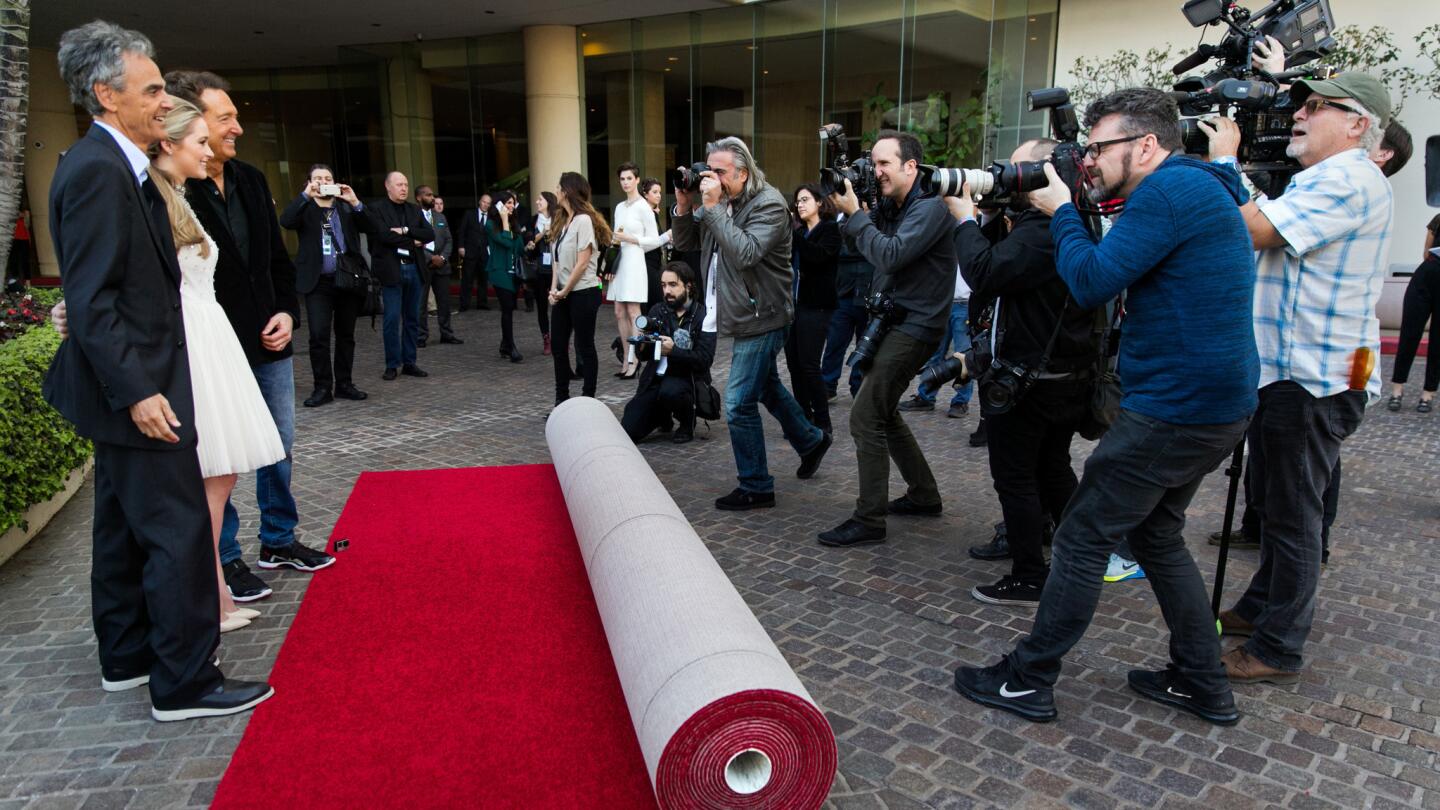
If you have ever zoomed into a celeb selfie and thought, “Wait… why does that doorframe look like it’s melting?” you are not alone. In the era of lightning-fast uploads and even faster callouts, a single over-edited post can turn into a full-blown social media scandal before a publicist has time to type “no further comment.”
Here’s the thing, though: not every odd-looking post is caught-in-4K proof of deception. Phone lenses distort, lighting is chaotic, and glam teams work miracles. But yes, sometimes a little “snatch and smooth” goes way too far. This guide walks you through the most reliable visual cues, the quick checks pros use, and how to talk about it without being cruel.
Fastest giveaway: warped backgrounds
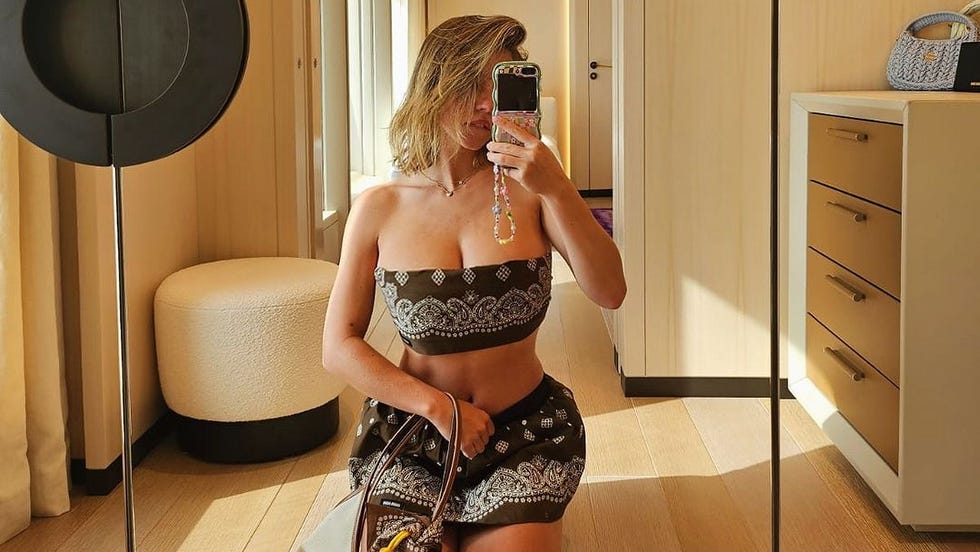
If you only remember one rule, make it this: backgrounds often give the game away. A lot of editing apps reshape the subject by pushing pixels around them, and the environment can get caught in the ripple. (To be fair, backgrounds can also be edited independently now, so treat this as a strong clue, not a courtroom verdict.)
What to look for
- Bent straight lines: doorframes, tile grout, window blinds, picture frames, counter edges.
- Wavy patterns: brick, wallpaper, curtains, fence slats, stadium seating.
- “Sucked-in” space: a weird pinch near the waist, hips, thighs, or arms where the background narrows like it is being vacuumed.
- Floating objects: chair legs or railing bars that do not line up, or a bag strap that looks duplicated.
Chloe tip: If a celeb poses in front of a doorway, scan the vertical lines by slowly moving your eyes from top to bottom. If the line curves around their body like it is avoiding them, that’s when it’s fair to be suspicious.
Proportions: when anatomy gets imaginative
The human eye is surprisingly good at catching “almost right” proportions. Editing that stretches or shrinks can create subtle anatomy tells, especially around joints.
Common red flags
- Hands and fingers: unusually tiny hands, blurred fingertips, or a finger that seems to merge into hair.
- Elbows and knees: joints that look smudged, oddly pointed, or too smooth.
- Waist-to-ribcage ratio: a dramatic cinch with no corresponding change in shoulders or bust can look physically improbable.
- Leg length changes: one leg looks significantly longer than the other, especially in mirror selfies.
- Neck and jaw sharpening: a jawline so razor-crisp it does not match the softness of the rest of the post.
Keep in mind: camera angle and pose matter. A hip pop plus a wide-angle lens can exaggerate curves. What you are looking for is inconsistency, like one thigh being smooth and stretched while the other shows normal texture and lighting.
Filter tells: blur, glow, missing pores
Filters are basically the new face tune, and they are everywhere. A little smoothing is not inherently scandalous, but when the blur starts erasing reality, it becomes obvious.
Signs of heavy retouching
- Plastic skin: no pores, no fine lines, no natural texture even on the forehead or cheeks.
- Blurry edges: hairline, eyebrows, nostrils, lips, and jaw edges look softened like they were rubbed with an eraser.
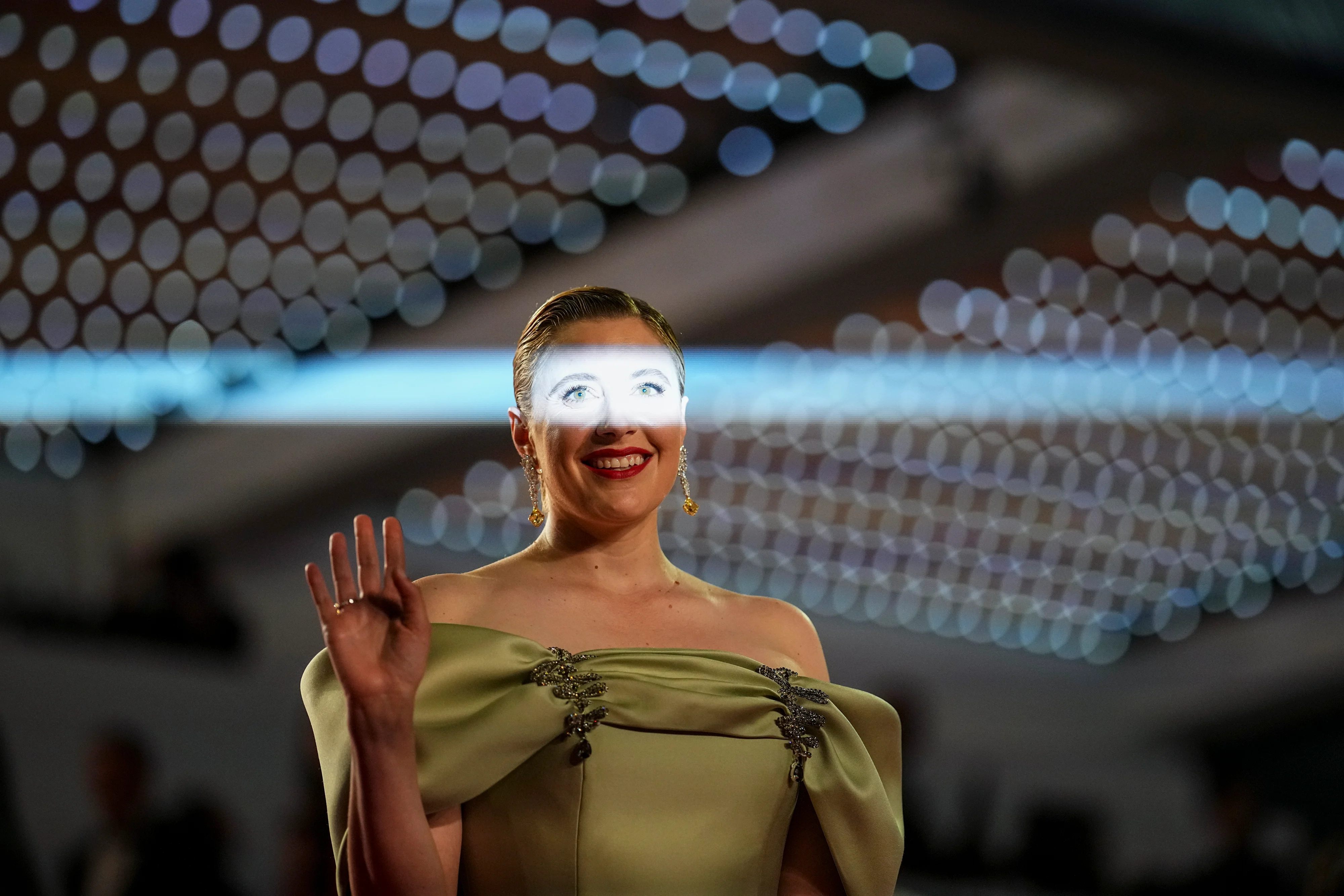
- Overly bright under-eyes: a lifted, highlighted triangle that does not match the rest of the lighting.
- Glow that ignores shadows: the face looks evenly lit while the neck, ears, or background clearly show directional light.
- Teeth and eye whites: unnaturally bright with zero gradient.
Quick check: Zoom into the cheeks and the area next to the nose. That is usually where texture should still exist, even with makeup.
Cloning clues: repeats and smudges
When someone removes a pimple, a tattoo, a stray hair, or even a whole person in the background, they often use cloning tools or AI-assisted cleanup. If it is rushed, it leaves a pattern.
Spot the repeats
- Identical patches: the same freckle cluster, fabric weave, or background speck appears twice.
- Smudged logos or text: brand names on a shirt or signage behind them looks smeared or doubled.
- Melted hair: curls or strands blur into the background where a tool was used.
- Weird textures: repeated grains, sparkles, or confetti that show up in the exact same shape.
Where this shows up most: bikini posts, gym selfies, and backstage dressing room pics where there is a lot of texture, like towels, sequins, or patterned tiles.
Lighting checks: shadows and mirrors
Lighting is the silent fact-checker. Even gorgeous, high-budget posts have consistent shadow direction, highlight placement, and reflections. When edits alter body shape or facial structure, those cues can break.
Fast tests
- Shadow direction: do the shadows fall the same way on the face, neck, and background?
- Reflection accuracy: in mirror shots, check if the reflection matches the pose and proportions.
- Specular highlights: glossy lips, shiny hair, and jewelry should reflect the same light source.
- Contact shadows: feet on the floor, hand on the waist, arm against the torso. If the subject looks pasted on, shadows may be missing.
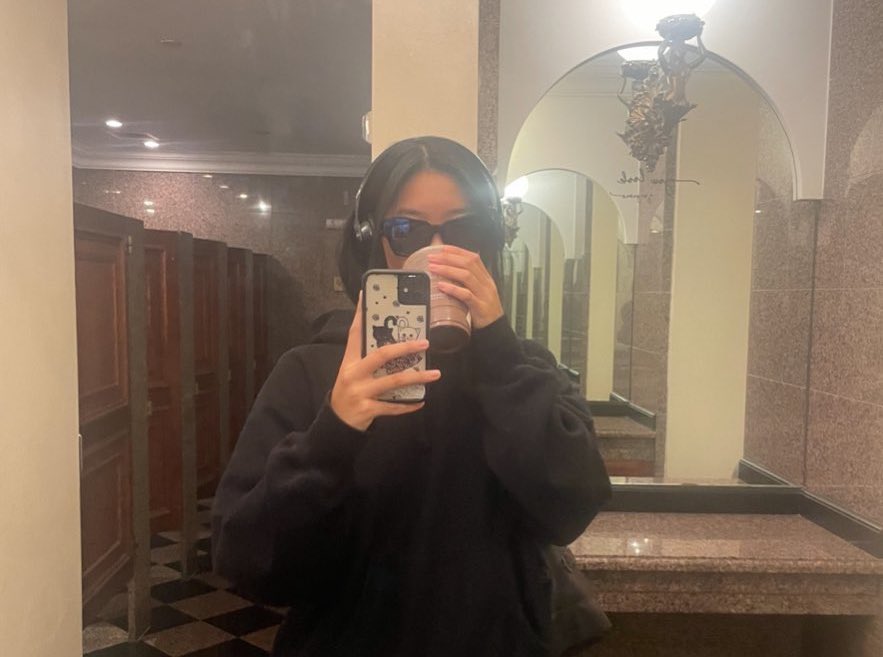
Mirror selfies are especially tricky because phones often use wide-angle lenses, and mirrors can slightly distort edges. Still, if the mirror edge is straight but the body line curves like taffy, that is your clue.
Why it blows up
Photoshop “fails” go viral for a few reasons, and not all of them are about the celeb. Sometimes the moment is emotionally charged, like a breakup rumor, a comeback era, or a body-focused storyline, and the internet is already watching closely.
Why the timeline pounces
- Parasocial whiplash: fans feel protective, critics feel vindicated, and everyone feels entitled to an opinion.
- Body image pressure: altered posts can hit a nerve, especially when stars promote wellness, fitness, or “self-love.”
- Brand stakes: if a celeb is selling skincare, shapewear, or a fitness plan, edits can read as marketing manipulation.
- Algorithm fuel: outrage and gotcha zoom-ins get shared faster than nuance.
And yes, sometimes it really is just a messy app job. Not every celeb is sitting in a lair cackling over liquify tools. Plenty of them outsource, and plenty of teams rush.
Expert checks in 30 seconds
You do not need fancy software to be a decent detective. Here are quick, low-effort checks that can separate “maybe” from “hmm, likely.”
Quick checklist
- Zoom in closely: scan edges around waist, thighs, and arms. Look for jittery outlines, blur halos, or a crunchy cutout feel.
- Check repeating patterns: tiles, blinds, fences, and logo walls are easiest.
- Look at jewelry: earrings and necklaces can warp when the neck or jaw is reshaped.
- Inspect hair: flyaways vanish unnaturally or merge into the background after heavy smoothing.
- Compare with tagged posts: if friends or brands posted the same event, differences can reveal edits. Be fair about angles and lighting.
Compression reality check: screenshots and reposts degrade quality. Blocky pixels around edges, banding in smooth backgrounds, or weird “mosquito noise” can look like editing when it is really just a battered upload. If possible, look at the original post.
Quick AI-era check: if you spot oddly mangled text, uneven earrings, inconsistent strands of hair, or a background object that seems to change shape near the body, it may be AI-assisted cleanup or generative fill rather than classic liquify.
When it is not Photoshop
- Wide-angle lens distortion: bodies and walls can curve near the edges of the frame, especially in small rooms.
- Panorama stitching: arms, legs, and railings can bend if the camera moved mid-sweep.
- Rolling shutter: fast motion can skew straight lines, especially with phones.
Basically: before you call it a fail, ask if the weirdness could be coming from the camera, not the app.
How to talk about it
At Celeb Glance, we can enjoy the internet chaos without turning someone into a punching bag. A Photoshop slip is not a moral failing, and it does not give anyone a free pass to body shame.
Keep it classy
- Focus on the edit, not the body: “The background lines look warped” lands better than “She looks fake.”
- Avoid diagnosing: do not assume eating disorders, surgery, or mental health issues from one post.
- Remember pressure is real: celebrities are still humans living in a beauty economy in overdrive.
- Celebrate honesty: when a star posts unfiltered content, supports body neutrality, or admits to retouching, that is worth amplifying.
Hot take from your brunch buddy: The funniest Photoshop fails are usually the ones that bend a doorframe into a rollercoaster. The least fun are the ones that feed body shame. We can tell the difference.
Bottom line
A single suspicious curve does not always equal a conspiracy. But if you see multiple cues at once, like warped lines, cloned repeats, and lighting that makes no sense, you are probably looking at an edit that got away from someone.
And if you are ever unsure, take a breath before you repost. Today’s “fail” is still a person behind the screen, even if their doorway looks like it is auditioning for a Salvador Dalí exhibit.