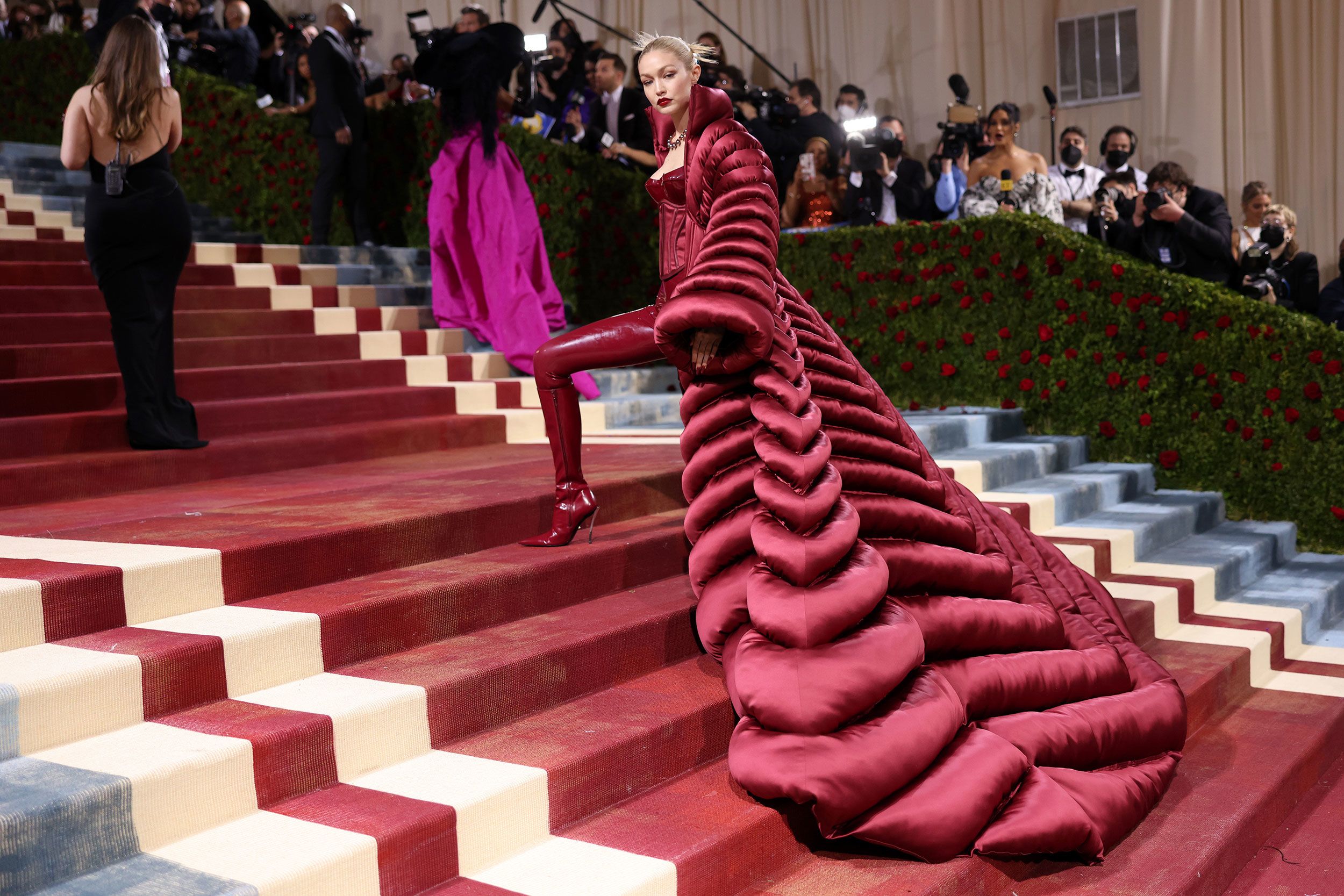
If the Oscars are the straight-A student of red carpets, the Met Gala is the art kid who turns in a sculpture and somehow still gets an A-plus. Both are star-studded, both are insanely photographed, and both come with real expectations, but the vibe (and the scoring system) is wildly different.
Let’s break down what guests are actually expected to wear at the Academy Awards versus the Met Gala , why the standards exist, and how to tell when a celebrity nailed the assignment or politely swerved it.
At a glance: Tradition vs. transformation
Even if you have never read a single invitation, you can feel the difference in the photos.
- The Oscars: A formal celebration of film where fashion is meant to read polished, elevated, and camera-ready. Think: classic silhouettes, immaculate tailoring, and jewelry that screams heirloom (even when it is on loan).
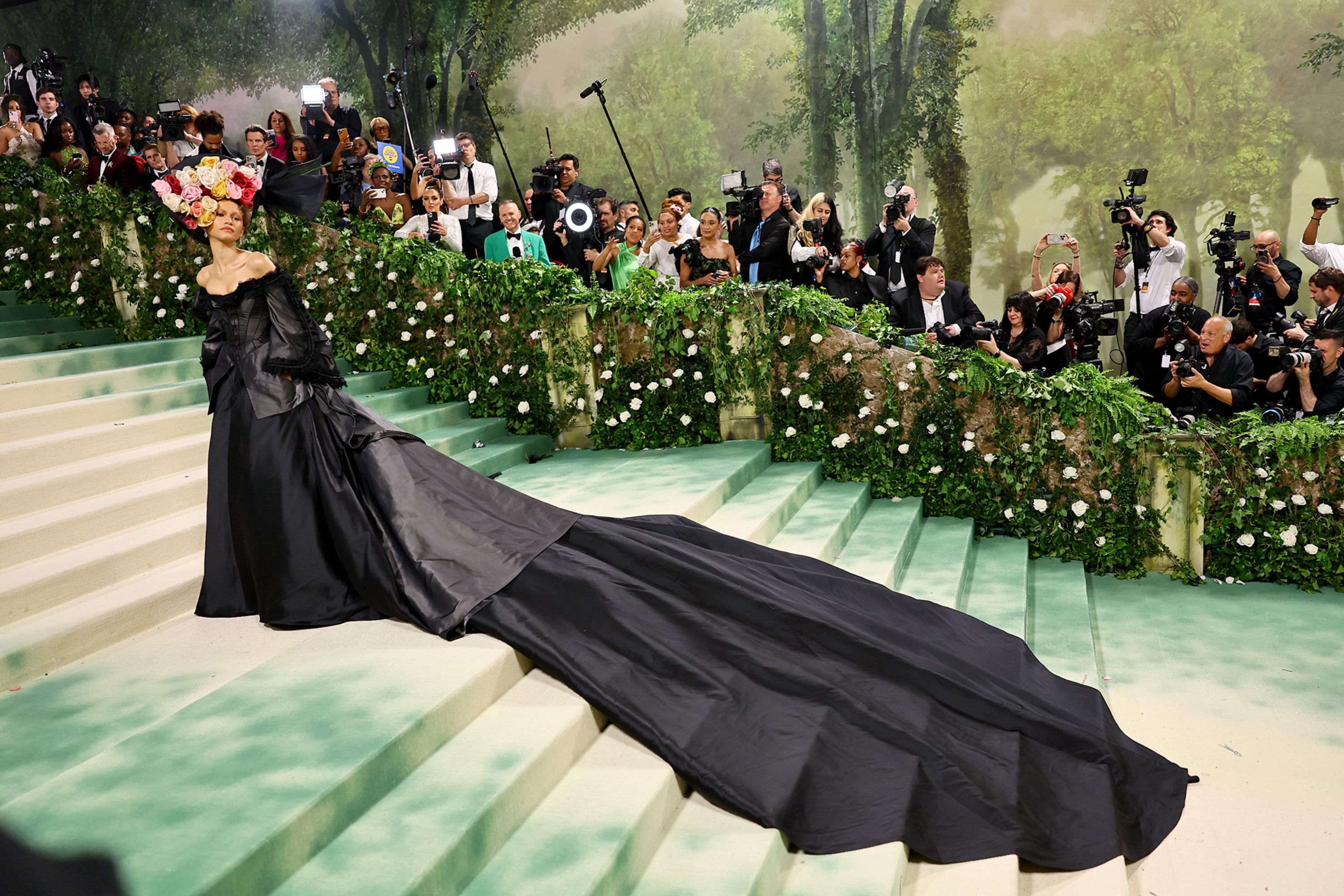
- The Met Gala: A themed fundraiser for the Costume Institute where fashion is part of the performance. Think: references, symbolism, craftsmanship, and the occasional outfit that makes you whisper, “Wait… is that allowed?”
Neither is better. They are just rewarding different kinds of style intelligence.
The Oscars dress code: classic Hollywood polish
What the invite implies
The Academy Awards is not typically about a public, gimmicky dress code slogan. The expectation is baked in: formal eveningwear. In practice, that translates to black tie or “black tie optional” energy, with some guests occasionally opting for white-tie-inspired styling when they want to go full old-Hollywood.
- For men: tuxedos, bow ties, polished shoes, and tailored fits that photograph cleanly in harsh flash.
- For women: floor-length gowns are the classic default, though sleek midi lengths and fashion-forward tailoring show up more often now.
- For everyone: refinement first. Even the bold looks are usually “bold, but still elegant.”
Why the Oscars rewards “safe” looks
The Oscars is a career night. Nominees are thinking about legacy, not just likes. Publicists, stylists, and brands want a look that reads expensive, confident, and rewatchable in every recap for the next decade.
Also, the Oscars is filmed. A look has to survive long seated segments, walking up stairs to accept awards, and hugging lots of people without malfunctioning.

The Met Gala dress code: theme first
Theme vs. dress code
The Met Gala is tied to the Costume Institute exhibition, but the part guests dress to is the official dress code that gets announced each year. It is usually a clear phrase (think along the lines of “Gilded Glamour” or “Tailored for You”) that guides how you interpret the exhibition’s bigger idea. Some years it lines up tightly with the show. Other years, it is looser and more open to interpretation.
This is why Met looks can feel “extra” even when they are technically couture: they are often conceptual. A strong Met look usually has at least one of these:
- A clear reference (a designer, an era, a specific artwork, a cultural movement)
- A technique flex (beading, embroidery, sculptural tailoring, handwork)
- A story (something the wearer can explain in one quote that journalists can actually use)
What “avant-garde” means on Met night
At the Met Gala, the rules are less about modesty or formality and more about commitment. It is not enough to look expensive. You have to look like you understood the prompt, or at least attempted it in good faith.
That is why you will see:
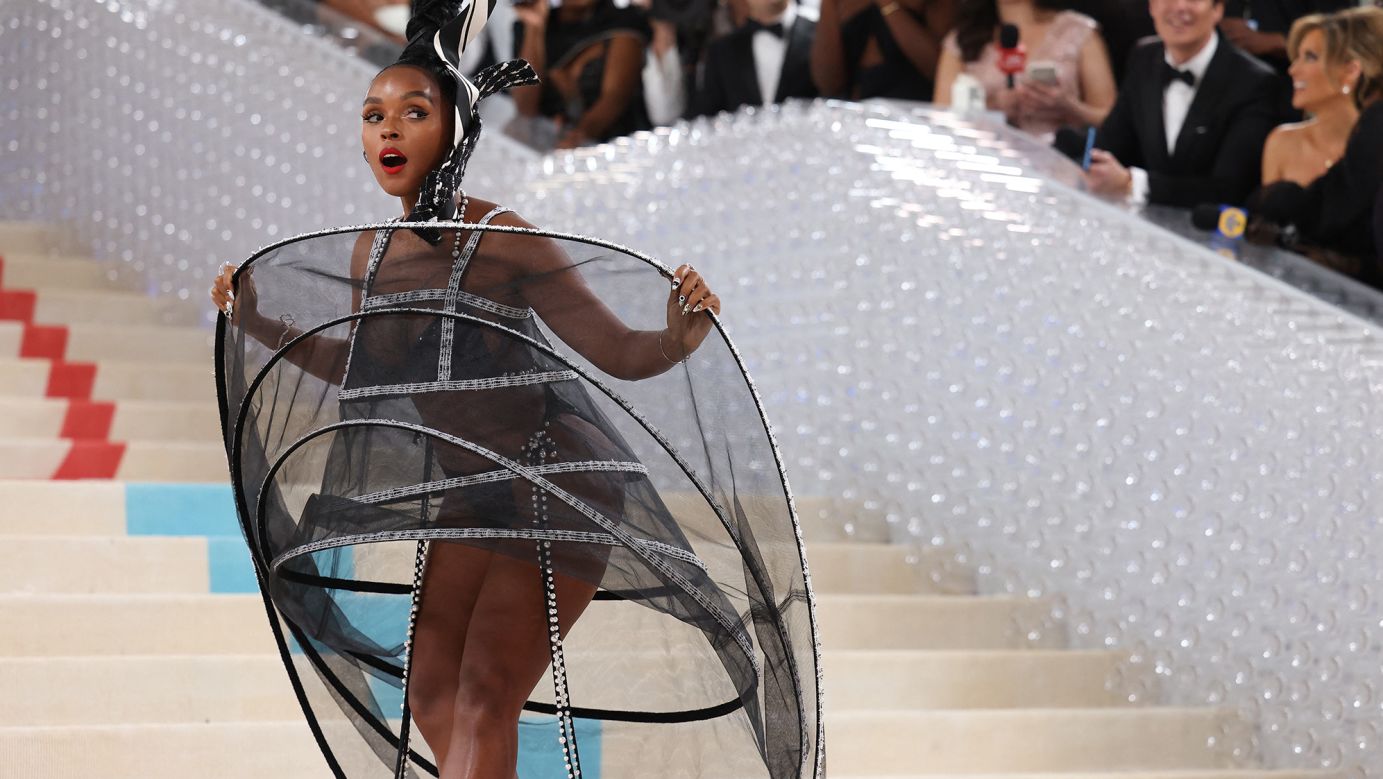
- Structured silhouettes that defy gravity
- Outfits that include headpieces, capes, trains, and dramatic gloves
- Beauty looks that are intentionally theatrical
Who sets the rules
Oscars: a culture of expectation
The Oscars dress code is enforced softly but powerfully. No single person needs to say “be formal,” because the Academy Awards is a prestige machine. If you show up looking underdressed, it reads like you did not respect the room.
Met Gala: curated on purpose
The Met Gala has a more top-down, curated feel. It is a Metropolitan Museum of Art event, co-chaired with Vogue, and Anna Wintour is widely reported as the key gatekeeper for the guest list and the night’s tone.
The theme is not literally enforced by a bouncer with a checklist. People miss it every year. But it is functionally non-negotiable if you want to be considered a success, not just “pretty but… why are you here?”
Even when someone chooses to go minimalist, the best Met minimalism still nods to the dress code. It is not about wearing less. It is about saying more with less.
What counts as a win
Winning the Oscars carpet
An Oscars fashion win usually looks like:
- Flawless fit from every angle
- Enduring shape that will still look good in a decade
- Elegant risk, like an unexpected color, a modern neckline, or a sharp suit twist
The Oscars rewards restraint and precision. If your look distracts from the ceremony, it will not be remembered kindly.
Winning the Met Gala
A Met win usually looks like:
- Dress code clarity that reads in a single photo
- Craftsmanship that holds up in close-up shots
- Performance, meaning the wearer knows how to pose and sell the concept
The Met rewards boldness, but only when it is intentional. Confusing is not the same as creative.
What is “allowed”
Oscars boundaries
The Oscars has looser rules than people assume, but the culture is conservative compared to the Met. You will see sheer panels, cutouts, and high slits, but the overall effect is usually sleek and formal.
If an outfit feels too costume-y, too meme-y, or too “look at me,” it can backfire because it pulls focus from the films and the winners.
Met Gala boundaries
The Met Gala is where celebrities can be more experimental with skin, structure, and styling because the event itself is about fashion as art and a big, visible fundraising moment. That said, the most successful looks are not shocking just to shock. They connect to the exhibition, the dress code, or the designer’s point of view.
Menswear: rules vs. runway
Oscars menswear
Oscars menswear is still tux-forward, but we have seen more evolution in recent years: velvet jackets, jewelry, bolder lapels, and occasionally a fashion house suit that does not whisper, it speaks.
Still, the safest move is impeccable tailoring. A “basic” tux can win if it fits like it was invented for that person.
Met Gala menswear
The Met is where men get to play with:
- Capes and trains
- Historical references and gender-fluid silhouettes
- Experimental tailoring and bold accessories
On Met night, menswear finally gets to be theatrical without apology.
Styling details that matter
Hair and makeup
Oscars: Glam tends to be soft-focus and camera-friendly. Skin looks luminous, hair looks touchable, and makeup is meant to elevate, not overpower.
Met Gala: Beauty can be a character. Graphic liners, sculptural hair, and era-specific looks are all fair game if they support the dress code.
Accessories
Oscars: Diamonds and classic jewels are the co-stars. Accessories are carefully edited.
Met Gala: Accessories can be the headline. Gloves, headpieces, and exaggerated jewelry can complete the story. If someone brings a prop, the best ones feel intentional, not random.
Common mistakes
Oscars missteps
- Trying too hard in a way that reads more trendy than lasting
- Poor tailoring, because fit is everything on that carpet
- Overstyling that wears the person instead of the other way around
Met Gala missteps
- Ignoring the dress code and showing up in a pretty look that could have been worn anywhere
- Too literal, meaning the outfit looks like a costume rather than fashion
- Concept with no craft, where the idea is strong but the execution looks flimsy up close
Which dress code is stricter?
It depends on how you define strict.
- The Oscars is stricter in terms of formality and tradition. There is an unspoken standard, and deviating can look messy or off-key.
- The Met Gala is stricter in terms of creativity and theme alignment. You can wear almost anything, but it has to say something.
Basically: the Oscars wants you to look like Hollywood royalty. The Met wants you to look like you belong in a museum, or at least like you read the wall text.
The takeaway: how to read a look
If you are judging a red carpet moment, the fairest question is not “Do I personally like it?” It is:
- At the Oscars: Does it look polished, intentional, and impeccably made?
- At the Met Gala: Does it connect to the official dress code and tell a fashion story?
A quick cheat code for the Met: look for the official dress code phrase, then listen for the designer or stylist’s explanation. If the wearer can link their look to an era, a designer, a technique, or a clear reference point, they probably understood the assignment.
And if you catch yourself thinking, “This is too much for the Oscars,” you are probably right. Save that energy for the Met steps, where too much is often exactly enough.