
There is a certain kind of red carpet moment that feels less like “Who are you wearing?” and more like “What universe did you just step out of?” That is method dressing, a pop culture shorthand often used to describe when actors and their stylists build premiere and press-tour looks that echo the film’s character, vibe, era, or visuals. Think subtle references, strategic color palettes, and the occasional going all-in on on-theme glam.
And yes, it can look like celebrity cosplay. But the best method dressing is not about being cheesy. It is storytelling, brand-building, and fan service rolled into one very photogenic package.
What is method dressing?
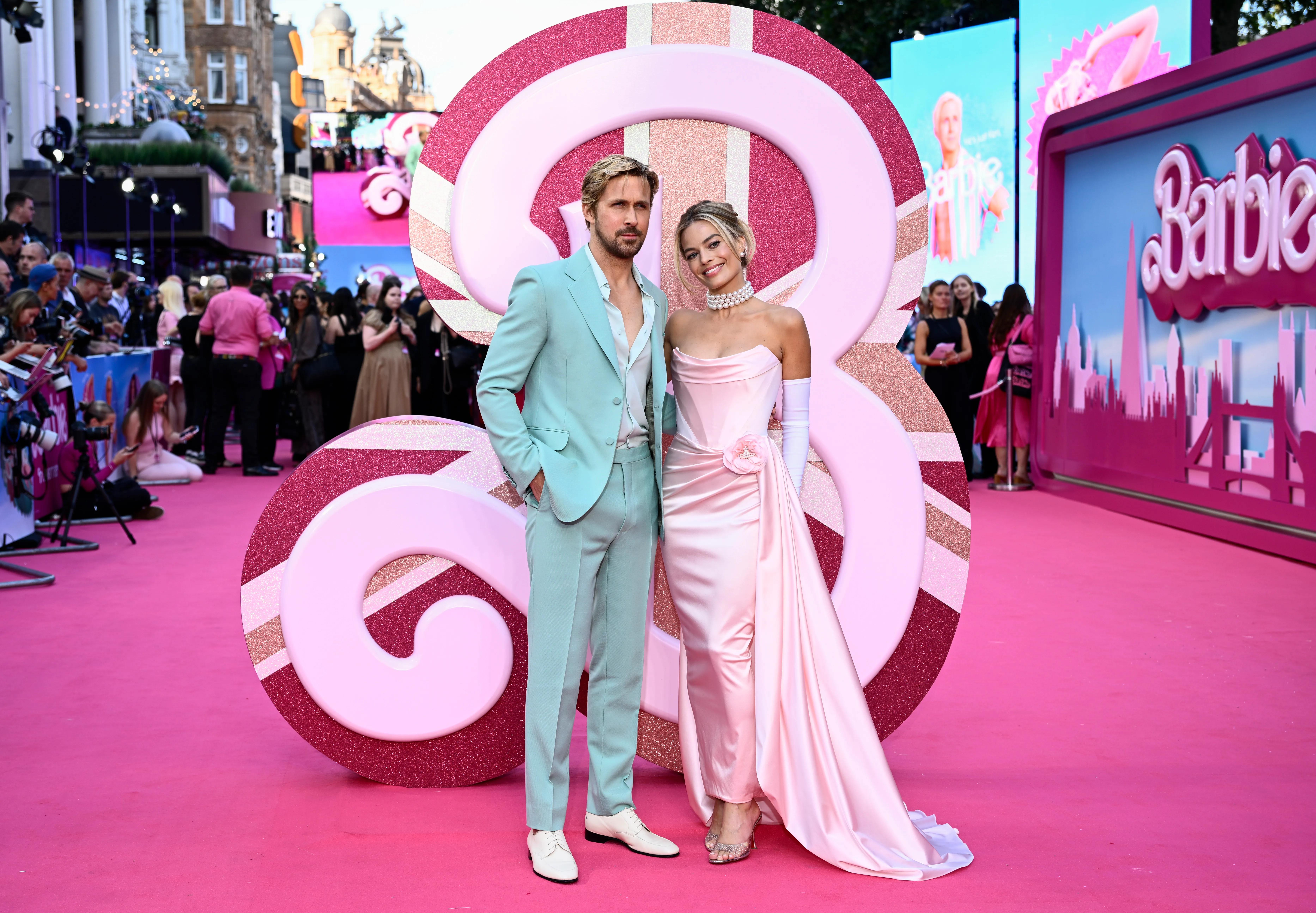
Method dressing is when an actor’s outfits during a film’s promotion are intentionally styled to reference the movie. That can mean:
- Character nods (silhouettes, styling tricks, signature details)
- World-building (colors, textures, motifs that match the film’s aesthetic)
- Era dressing (leaning into the decade or fashion language of the story)
- Designer and archive choices that connect to the theme or to iconic imagery fans already recognize
It usually happens during premieres, festivals, and press junkets, because that is when photos move fastest and the internet is looking for a visual hook. In a landscape where movie marketing is competing with everything, method dressing is basically a wearable trailer.
It is not brand new, either. Stars have always used clothes to telegraph roles and personas. What feels different now is the deliberate, look-by-look narrative and the way social media turns every stop on a tour into a headline.
Why it is everywhere right now
It turns a press tour into an event
A great press tour used to be about interviews. Now it is also about moments. Method dressing gives fans something to track, rank, and repost, and it gives publications an endless supply of style headlines that do not have to be mean-spirited.
It is marketing that feels fun, not forced
When it works, it does not read like a billboard. It reads like an inside joke between the star and the audience. “If you know, you know” energy, but make it couture.
Stylists are curating narratives, not just outfits
Celebrity styling has evolved into long-form storytelling. The best teams plan looks like chapters: opening night drama, mid-tour experimentation, finale gown. Method dressing gives that arc a theme.
Fans crave world-building
We live in an era where fandoms dissect every frame. A thematic outfit feels like an extra scene, and it rewards the people paying attention.
Method dressing vs. costume
Let’s gently draw the line between “inspired by” and “wardrobe department.”
- Method dressing: Fashion that references a character or story while still looking like a red carpet look.
- Full costume cosplay: Direct recreation of a specific outfit from the film, often with props or literal replication.
Neither is inherently wrong. But the method version tends to photograph as elevated and timeless, while full costume risks feeling gimmicky unless the event is clearly playful or intentionally camp.
Iconic moments (and why they worked)
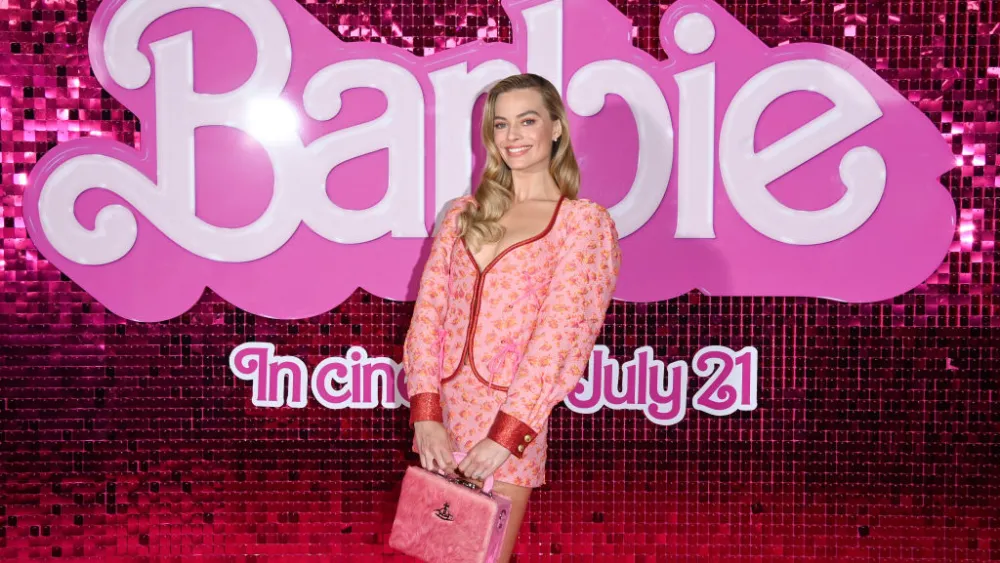
Margot Robbie’s “Barbie” tour
This is arguably the modern blueprint. The looks referenced Barbie’s visual history through color, silhouette, and styling, often nodding to specific doll eras. It was nostalgic without being sloppy, and it gave the film a consistent, instantly recognizable fashion identity.
Zendaya’s “Dune” and “Challengers” tours
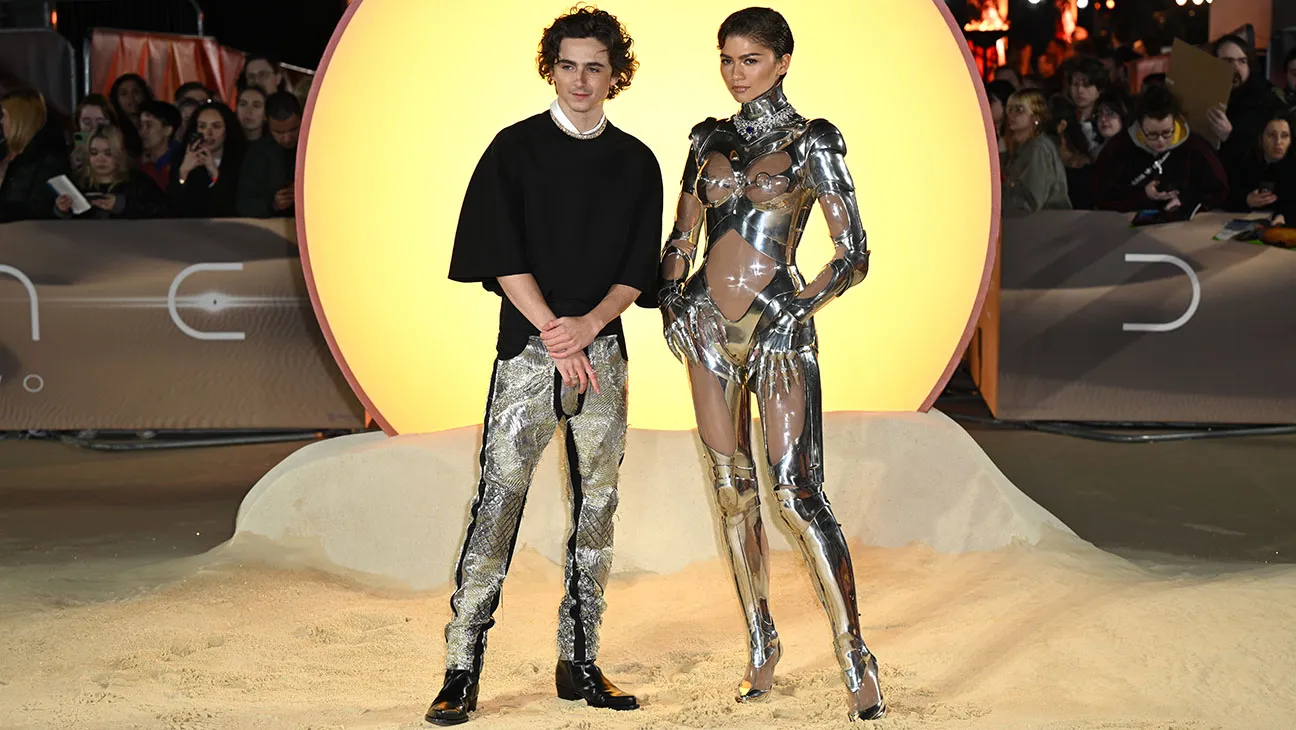
Zendaya and stylist Law Roach became one of the most high-profile examples of a press tour as a curated campaign. For Dune: Part Two, the styling leaned futuristic and desert-adjacent in a way that felt cinematic without tipping into costume. For Challengers, the wardrobe played with sport, polish, and a very specific competitive energy. The common thread is precision: each look feels intentional, editorial, and built to live forever on your mood board.
Timothée Chalamet’s “Wonka” tailoring era
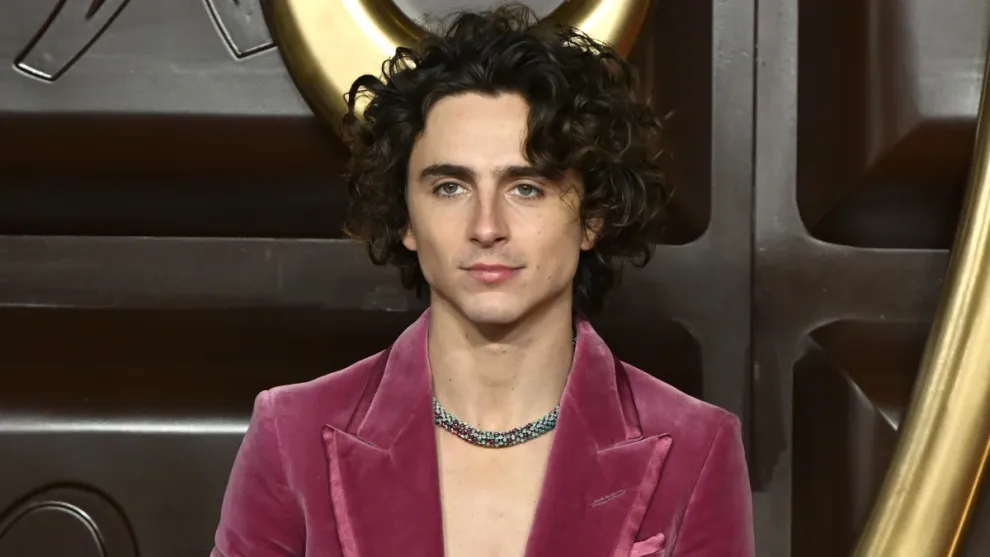
Method dressing is not just gowns. Timothée’s press looks leaned whimsical through color and silhouette, giving a wink to the character’s eccentric charm while staying in the lane of modern menswear.
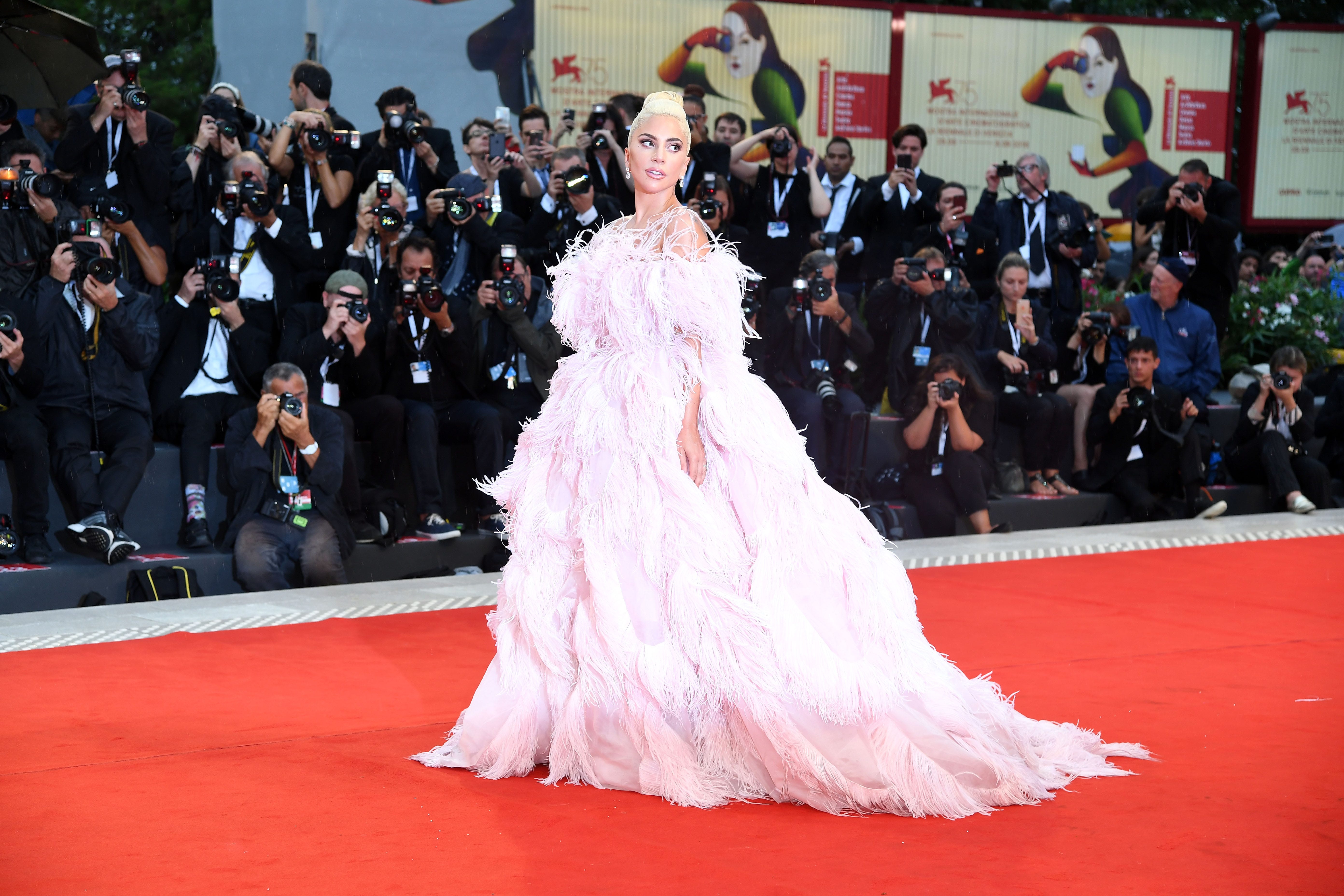
Lady Gaga’s “A Star Is Born” and “House of Gucci” eras
Gaga has long treated the red carpet as performance art, and her on-theme appearances helped cement method dressing’s bolder side. Across A Star Is Born premieres and the House of Gucci press run, she leaned into character-adjacent glamour in a way that felt like an extension of her own style language. When the star’s personal brand already includes theatricality, a stronger tie-in reads authentic rather than try-hard.
How stylists build the story
If you have ever wondered how a press tour looks so cohesive, it is rarely accidental. Stylists often map a visual strategy around:
- A color palette pulled from posters, set design, or a character’s wardrobe
- Key motifs like florals, metallics, lace, leather, or sharp tailoring
- Silhouette rules such as “Old Hollywood curves,” “futuristic structure,” or “rom-com softness”
- Era cues like 60s mod, 90s minimalism, or disco glamour
- Accessories as shorthand for theme, like gloves, bows, pearls, or a particular shoe shape
The goal is not to look like you raided the costume rack. The goal is to make the movie’s mood instantly readable in a single photo.
How to try it in real life
You do not need a glam squad to borrow the idea. The trick is choosing one element of the “character” and letting everything else stay simple.
1) Pick a vibe, not an outfit
Instead of recreating a look, ask: is the energy romantic, edgy, retro, futuristic, or whimsical? Build your outfit around that feeling.
2) Use color as your easiest reference
Color is the most subtle tool. A monochrome look, a signature shade, or even just a themed accessory can do the job.
- Soft romance: blush, cream, satin textures
- Sci-fi sleek: black, silver, clean lines
- Vintage: jewel tones, warm neutrals, structured shapes
3) Let one statement piece do the talking
Choose one hero item and keep the rest neutral.
- A metallic skirt with a plain black top
- A bow detail with otherwise minimal styling
- A sharp blazer with a satin slip dress underneath
4) Hair and makeup are the quiet MVPs
A flip, a deep side part, a glossy lip, or a defined liner can communicate an era faster than any outfit can, and it is often more wearable day to day.
5) Know when to stop
If you have theme earrings, theme shoes, theme bag, and theme hair, it stops reading as inspiration and starts reading as costume. Pick your lane and commit softly.
Etiquette, celeb edition
Because yes, there are unspoken rules.
Keep it respectful to the story
If a film deals with heavy themes, method dressing usually works best when it is elegant and thoughtful, not cartoonish. You can honor a project without turning it into a gimmick.
Comfort matters
Press tours are a lot: multiple cities, early calls, back-to-back interviews, then a red carpet where you are expected to look unbothered. The most successful style stories consider what the actor can realistically wear for hours.
Do not let the clothes swallow the person
The best method dressing highlights the actor as a collaborator in the storytelling, not as a mannequin. When a look feels uncomfortable or overly costumey, it can distract from the performance they are trying to celebrate.
Watch the downside
The internet loves a theme, but a theme can also overtake the message. If the outfits become the only headline, or if the volume of new looks reads as wasteful, the conversation can turn fast.
Cringe or genius?
Honestly, it is neither by default. Method dressing is a tool. In the right hands, it is playful, cinematic, and wildly effective. In the wrong hands, it can look like a Halloween aisle panic purchase.
But when it hits, it gives us what red carpets are supposed to give: fashion as escapism, a little wink to the fans, and the sense that Hollywood still knows how to put on a show without tearing anyone down.
Now excuse me while I rewatch a 90s rom-com and mentally assign method dressing palettes to every character.