
Hollywood runs on stories. Some are lovingly true. Some are wildly false. And some start as a tiny, messy half-truth that grows legs, a passport, and a full PR strategy before anyone can blink.
Today we’re doing something Celeb Glance loves: taking the temperature down, turning the volume up on context, and comparing how massive tabloid rumors spread versus what celebrities later shared when they finally got to speak for themselves, on the record and in their own words.

Why tabloids spread so fast
If you have ever read a headline and felt your brain do that little “Wait, what?!” spark, congrats. That’s the hook working.
The rumor pipeline
- A blurry photo or vague “source” kicks it off. A dinner. A car leaving a house. A facial expression captured mid-blink. You know the ones.
- A narrative gets assigned immediately. “Secret romance.” “Explosive feud.” “Career meltdown.” The simplest story wins.
- Aggregation does the heavy lifting. Dozens of sites rewrite the same claim, which makes it feel confirmed even when it is just copied.
- Fan accounts and TikTok add “evidence” through timelines, lip-reading, and body-language decoding.
- Silence becomes a plot point. If a celeb does not respond, it can get framed as “guilty.” If they respond, it can get framed as “damage control.”
And here’s the uncomfortable part: tabloids thrive because the emotional story is often more satisfying than the boring true one. Reality is complicated. Gossip is tidy.
Case studies
Let’s talk about a few headline-making examples where the public story and what we later got on the record did not line up.
1) The “feud” narrative: Taylor Swift vs. Katy Perry
What the tabloids pushed: A petty, lifelong catfight with endless shady lyrics and calculated takedowns.
What’s on the record: The tension was real, but it was also specific and surprisingly business-like. In a 2014 Rolling Stone interview, Swift described a conflict involving backup dancers and professional boundaries, not a random personal vendetta. Years later, the two publicly signaled reconciliation, including Perry posting an olive branch and Swift later confirming they had made peace. The “they hate each other forever” framing was much bigger than what either of them actually put into words publicly.
How the rumor spread: A few pointed moments plus lyrical speculation created a ready-made storyline. Once fans started mapping songs to headlines, the narrative became self-fueling.
2) The relationship rumor: Selena Gomez and Justin Bieber obsession
What the tabloids pushed: Recurring tabloid claims included secret weddings, surprise pregnancies, and constant “they’re getting back together” updates built from crumbs, captions, and coincidence.
What Gomez has actually emphasized: When she has spoken in more controlled settings, the focus tends to be the emotional toll, health, and privacy rather than romantic intrigue. In her Apple TV+ documentary My Mind & Me and across interviews over the years, she has returned to boundaries, healing, and what it feels like to be publicly “assigned” a narrative.
How the rumor spread: On-again-off-again history plus a massive fandom ecosystem that treats ambiguity like a scavenger hunt.
3) The “industry breakup” myth: Jennifer Aniston and Angelina Jolie
What the tabloids pushed: A decades-long one-sided war between two women, with Aniston framed as the wronged saint and Jolie framed as the villain. (A reminder from your brunch bestie: misogyny loves a simple script.)
What’s on the record suggests: Aniston has repeatedly signaled, in interviews across the years, that she does not want her life reduced to one relationship chapter. Rather than confirming some endless “catfight saga,” her public posture has generally been: please stop making this my whole personality. Whatever anyone privately felt, what audiences actually had access to was a highly edited, highly profitable storyline.
How the rumor spread: A real timeline event became a permanent archetype. Tabloids kept reselling it because audiences kept clicking.
4) The “she’s difficult” label: Meghan Markle
What the tabloids pushed: A flood of claims painting Markle as inherently “difficult,” “diva-like,” or secretly controlling, often with anonymous sourcing and recycled insider language.
What Markle and Prince Harry have said: In high-profile interviews and their Netflix docuseries, they describe relentless press pressure, serious mental health strain, and a breakdown in trust with the institution around them. Whatever you think of the broader royal conversation, it is a clear example of how a tabloid identity can harden into “truth” for the public before the subject has a chance to respond in full.
How the rumor spread: A steady drip of unnamed briefings, plus a media ecosystem that rewards drama, especially when the subject becomes a symbol in a cultural fight.
5) When the rumor is wrong, but the real story is still painful: Britney Spears
What the tabloids pushed: For years, coverage often reduced Spears to punchlines and “meltdown” spectacle, treating mental health like a circus.
What Spears later revealed: Through court statements about her conservatorship and in her memoir, she described control, isolation, and the emotional cost of being publicly misunderstood. The story was not a juicy “mess.” It was a person in an extraordinary legal and personal situation, with far less agency than the headlines implied.
How the rumor spread: The public was trained to view her as content, not a human being. Once that switch flips, empathy becomes optional and clicks become the goal.
What confessions have in common
When celebrities eventually open up in interviews, documentaries, or memoirs, the themes tend to repeat. Not because they are all reading the same PR script, but because fame creates the same pressure points.
- Boundaries: A lot of “mystery” is just privacy.
- Mental health: Panic, depression, burnout, and trauma show up far more often than scandal.
- Career anxiety: The stress is rarely “I want attention.” It’s “I am terrified of losing everything.”
- Family and identity: The real stakes are usually home, not headlines.
- Regret: Many stars admit they stayed quiet too long because responding can make the storm bigger.
One more nuance, because we are grown: “on the record” does not automatically mean “the full story.” Celeb confessions can be curated, timed, and shaped by legal and brand realities. But they are still usually closer to lived experience than a headline built on anonymous vibes.
How to spot a shaky rumor
No one has to become a full-time fact checker to enjoy celebrity news. But a few quick filters can keep gossip fun instead of harmful.
Quick checklist
- Is the claim sourced? “A source says” is not a source.
- Is there a direct quote on record? Named interviews, court filings, and verified statements beat vibes every time.
- Is it a reputable outlet? If the “report” traces back to one sketchy post and 40 rewrites, proceed with caution.
- Does the story rely on mind-reading? “Look at her face” is not evidence.
- Is it repeating an old narrative? Some celebrities get stuck in a storyline for years because it sells, not because it is current.
- Is the headline doing emotional blackmail? Words like “shocking,” “humiliating,” or “finally exposed” are usually your cue to slow down.
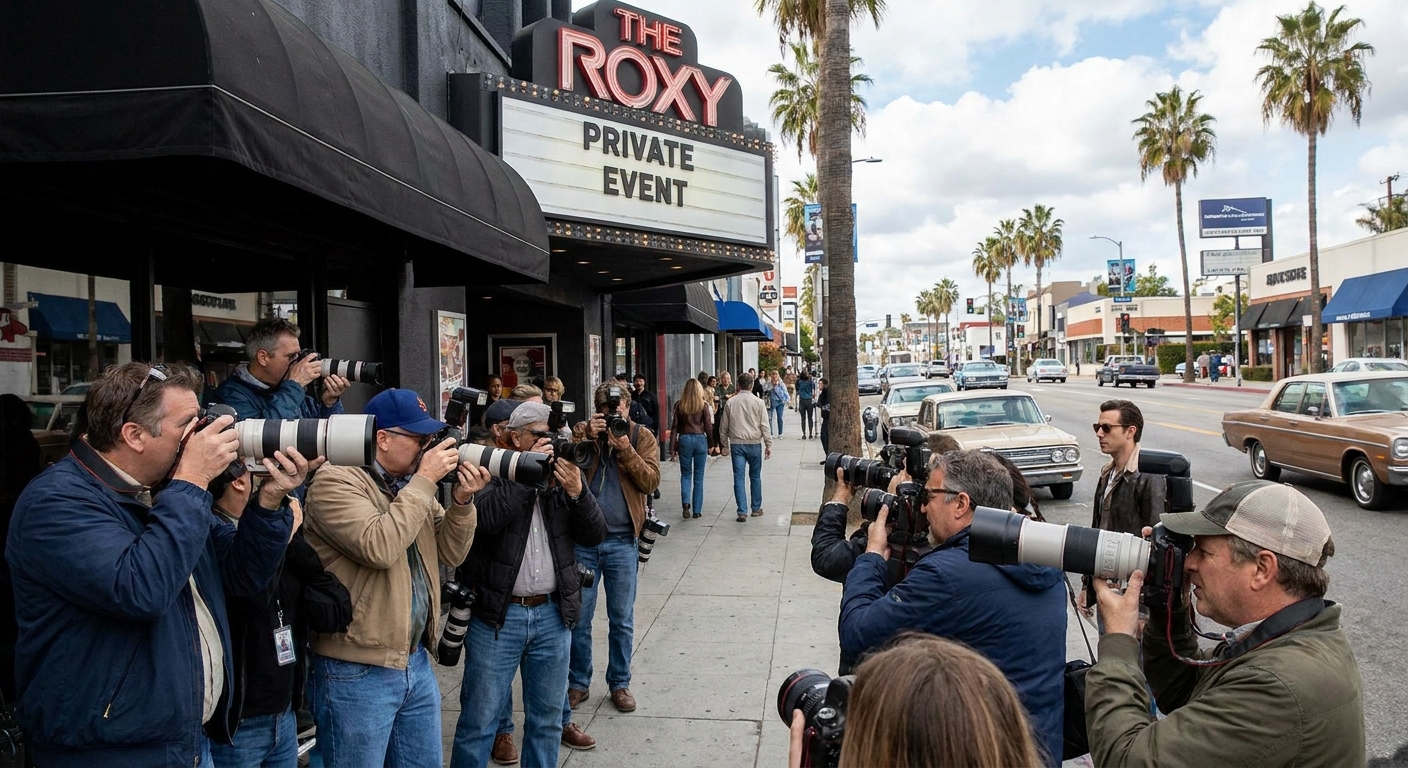
Also worth saying out loud: sharing a rumor is not neutral. Even “just asking questions” can turn into harassment, and in some cases it can veer into defamation. If the claim could plausibly endanger someone’s safety, custody, job, or health, let it die in your group chat drafts.
Why truth takes time
A question I get all the time is: “If it’s false, why don’t they just deny it?”
Because denial can turn a spark into a bonfire. Also, celebrities are often balancing legal concerns, brand partnerships, family privacy, and mental health. Sometimes the most responsible choice is to say nothing until they can speak fully, safely, and on their own terms.
Then when they do finally talk, it is rarely the tabloid-friendly soundbite. It’s context. It’s nuance. It’s a lot of “I was trying to survive.”
The takeaway
Gossip is not going anywhere. I love a red carpet moment and a harmless romance rumor as much as the next pop culture gremlin. But the older I get, the more I believe this: the best celebrity stories are the ones that let famous people be people.
So the next time a headline tries to sell you a villain, a saint, and a scandal, consider pausing long enough to ask: Who benefits from this version of the story?
Because nine times out of ten, it’s not the person living it.