
Hollywood loves a secret almost as much as it loves a spotlight. And when the spotlight gets a little too close, the industry reaches for a familiar tool: the NDA.
Non-disclosure agreements are not automatically shady. Many are totally normal, especially when it comes to protecting movie plots, business deals, and personal privacy. But in the messiest corners of fame, NDAs have also been used to pressure people into silence about everything from workplace mistreatment to alleged criminal behavior.
Below are 10 of the most shocking celebrity-related NDA stories and the scandals they tried to contain. I am focusing on situations that have been widely reported through court filings, investigative reporting, public statements, leaked documents circulated by major outlets, or reported settlement terms. Allegations are noted as allegations, because that detail matters for real people with real lives.
How celebrity NDAs work
An NDA is a contract that limits what someone can share. In entertainment, they often show up in:
- Employment agreements for assistants, nannies, stylists, drivers, and house staff
- Settlement agreements after a dispute, breakup, or alleged wrongdoing
- Pre-interview or access agreements tied to projects, tours, or behind-the-scenes footage
- Romance and hookup NDAs that try to keep private relationships private
The controversy is not the NDA itself. It is what it is used to hide, and whether people felt pressured, threatened, or financially cornered into signing.
Reminder: NDAs generally cannot stop someone from reporting potential crimes to law enforcement or regulators. But they can restrict public disclosures, and they can still be used to intimidate people with the threat of costly litigation. Laws vary by jurisdiction.
1) Harvey Weinstein
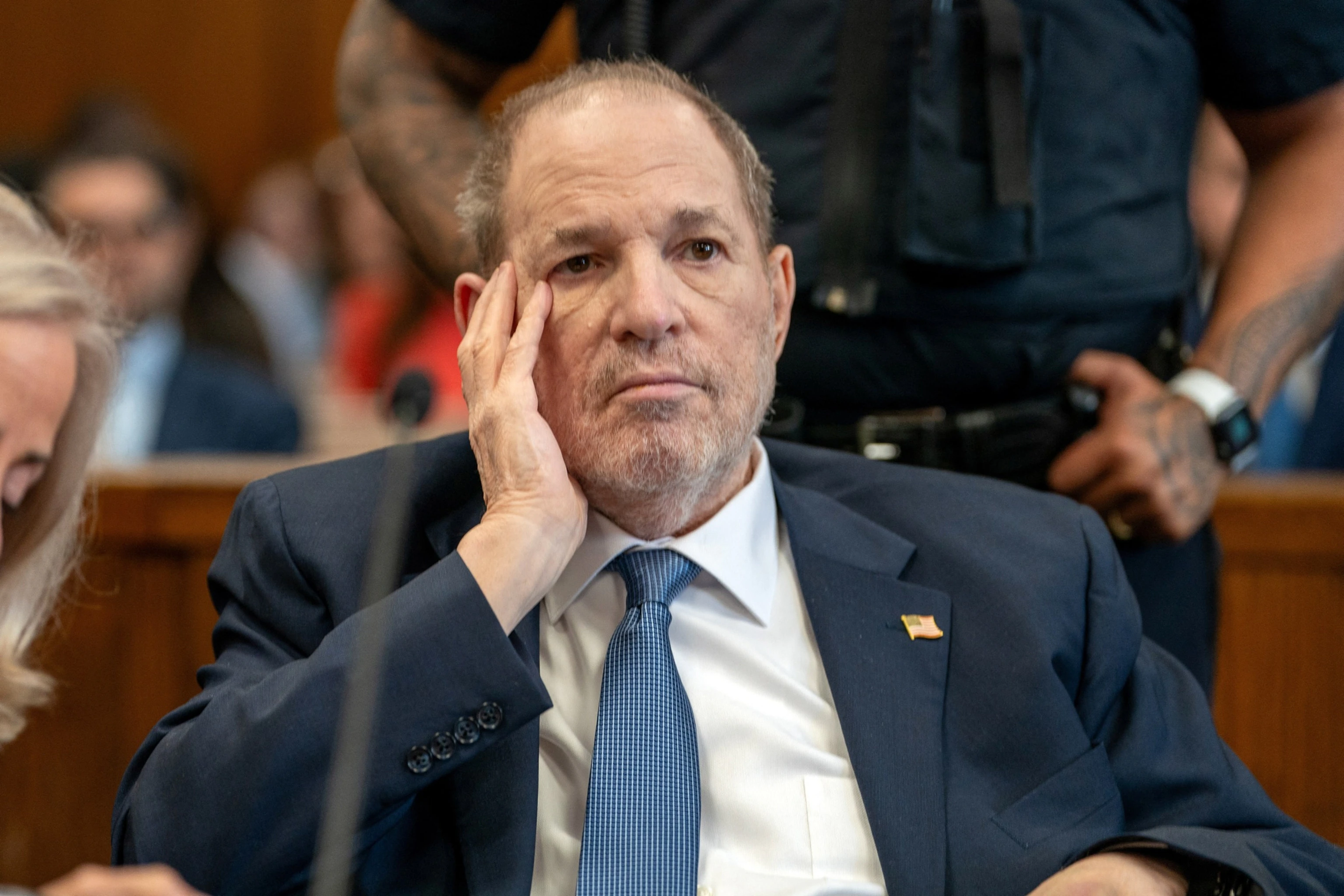
Long before the 2017 reporting that helped ignite the modern #MeToo movement, Harvey Weinstein and his team were reported to have used confidential settlements and NDAs with women who alleged misconduct. Those agreements became a major part of the public conversation once survivors spoke, journalists dug in, and the volume of accounts overwhelmed the old playbook.
Key reported detail: Major investigations in 2017 described confidentiality clauses tied to settlements with women alleging harassment or assault, a pattern later discussed across civil litigation reporting and in the broader public record around Weinstein’s prosecutions.
What the NDA tried to do: Keep allegations out of the press and away from industry decision makers.
What broke through anyway: Investigative reporting, a chorus of on-the-record accounts, and criminal trials that pushed the claims into public view.
2) Trump and Stormy Daniels
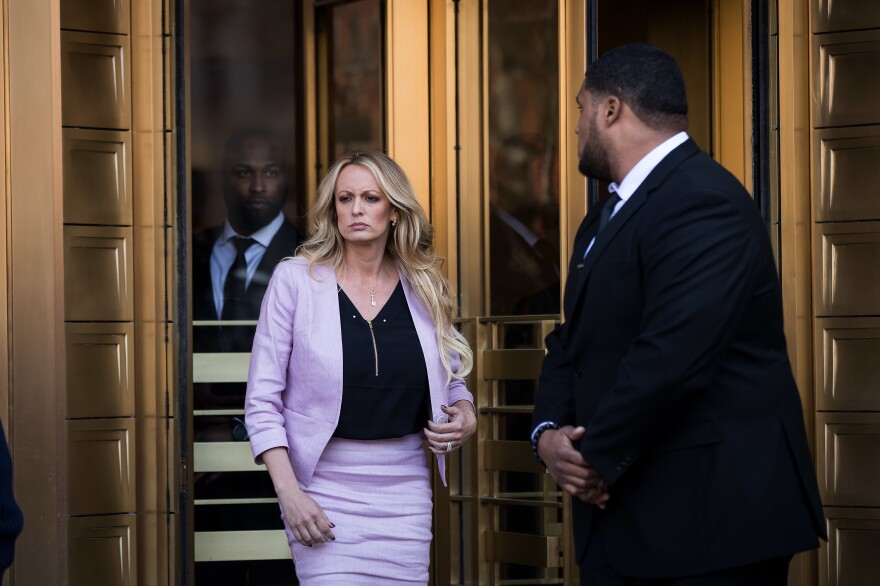
The NDA between adult film actress Stormy Daniels (Stephanie Clifford) and Donald Trump is one of the most famous examples of a confidentiality agreement becoming the story. Daniels publicly challenged the agreement, leading to a highly public legal battle that brought extraordinary attention to the underlying allegations and the payment structure tied to silence.
Key documented detail: The dispute played out through court filings and public statements in 2018, with Daniels arguing the agreement was not enforceable. Trump denied the affair.
What the NDA tried to do: Prevent public discussion of an alleged affair and any related claims.
What broke through anyway: Litigation, media scrutiny, and public statements that made the NDA a pop culture and political flashpoint.
3) Tiger Woods
Tiger Woods is one of the clearest examples of how an NDA can be both a privacy tool and a headline magnet. After the 2009 scandal that detonated his carefully managed public image, one name became inseparable from the story: Rachel Uchitel.
Key reported detail: Multiple major outlets reported that Woods and Uchitel reached a settlement that reportedly included confidentiality provisions. Later reporting and legal commentary around Uchitel’s attempts to speak about her experiences kept the existence of a confidentiality agreement in the public conversation, even as many specific terms were not publicly confirmed via court records.
What the NDA tried to do: Keep a relationship scandal from turning into a long-running narrative with fresh details.
What broke through anyway: The scale of the scandal, nonstop coverage, and later public disputes about whether and how she could speak.
4) Charlie Sheen
Charlie Sheen’s personal life generated years of intense coverage, including major reporting around his HIV status and disputes with former partners. In that context, one lawsuit became a go-to example of how confidentiality issues show up in celebrity relationship warfare.
Key documented anchor, NDA details reported: In the widely covered Brett Rossi case (also known as Scottine Ross), Sheen and Rossi battled in court over claims tied to their relationship. Reporting on the filings described disputes that included alleged confidentiality demands and arguments about what could or could not be said publicly. Sheen has denied wrongdoing in various disputes, and the allegations were contested.
What the NDA tried to do (as described in reporting): Limit public discussion of intensely private relationship details, including health-related claims and accusations made during the breakup.
What broke through anyway: Lawsuits, filings, and the reality that once people start litigating, the record starts writing itself.
5) Bill Cosby
In the Bill Cosby saga, confidentiality agreements were part of the wider narrative about how allegations can be contained for years until a tipping point hits. As more accusers went public, the public conversation expanded beyond individual stories into systemic questions about power and accountability.
Key documented anchor, confidentiality reported: In 2005, Cosby reached a civil settlement with Andrea Constand. Major outlets later reported the settlement included confidentiality terms. Years later, litigation surrounding related evidence and testimony helped pull once-private claims into broader public view.
What the NDA tried to do: Keep allegations private and limit reputational fallout.
What broke through anyway: Multiple women going on the record, civil litigation, and criminal proceedings that made the story a public reckoning.
6) R. Kelly
R. Kelly’s case is one of the most disturbing examples where the conversation around secrecy and control tactics became inseparable from broader allegations. Here, NDAs are not the whole story, but they repeatedly appeared in reporting as one alleged tool among many.
Key reported detail: Over the years, multiple reports about civil disputes and allegations around Kelly included claims that women were asked to sign confidentiality agreements or were pressured into silence. Those reported allegations later sat alongside, and were eclipsed by, criminal prosecutions and convictions that put the broader pattern claims into the public record.
What the NDA tried to do (as reported/alleged): Restrict public accounts and keep accusations from snowballing.
What broke through anyway: Investigations, documentary reporting, witness testimony, and criminal convictions that made secrecy a losing strategy.
7) Mariah Carey and staff
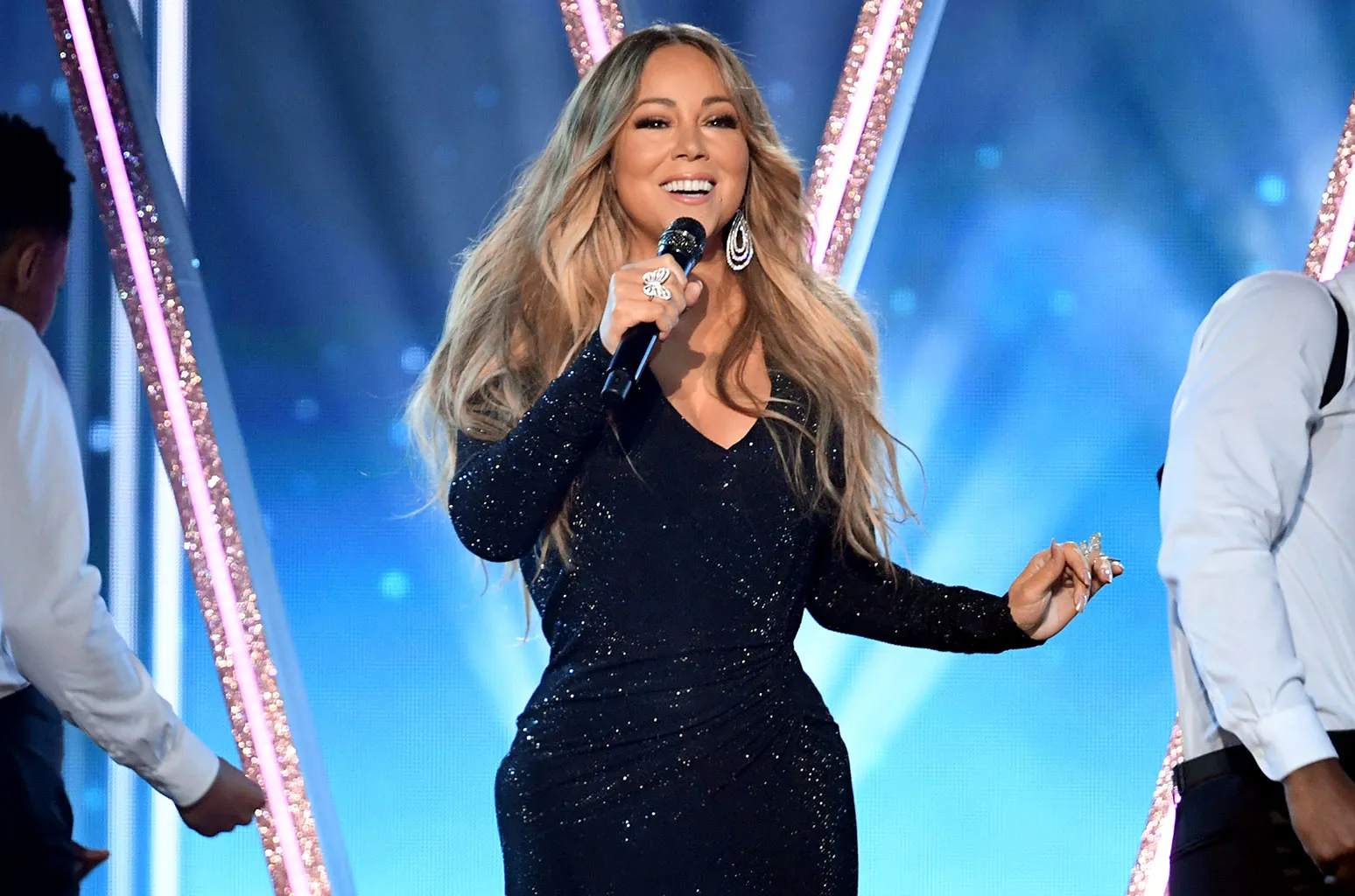
Mariah Carey has been tied to NDA headlines through reporting involving former staff. In a celebrity ecosystem, employment NDAs can be standard. The shock is how quickly “standard” can turn into “weaponized” when money, power, and humiliation claims collide, and when former employees argue they were constrained from speaking about their experience.
Key reported detail: Carey’s former assistant, Lianna Azarian, filed a lawsuit that was widely covered in entertainment and mainstream media. Coverage of the dispute and its resolution referenced confidentiality obligations, including claims that an NDA existed and was connected to settlement talks. The parties’ positions were disputed in reporting, and many specific terms were not confirmed in public court orders.
What the NDA tried to do (as described in reporting): Keep internal staff disputes and allegations from turning into a public pattern.
What broke through anyway: Public filings, public reporting, and the limits of secrecy once a dispute becomes news.
8) Kardashians and Blac Chyna
If there is one modern celebrity machine built on narrative control, it is the Kardashian-Jenner universe. But this is the rare list entry where the NDA piece is more about the ecosystem than one single leaked document.
Key documented anchor, confidentiality angle limited: The lawsuit brought by Blac Chyna (Angela White) against members of the Kardashian-Jenner family went to trial in 2022 and produced extensive filings and testimony about contracts, business relationships, and behind-the-scenes decision-making. While the case itself is real and the contracts were central, public coverage did not always frame it as a clean “one NDA clause” fight. It is better understood as a high-profile example of how confidentiality and contract culture sit underneath celebrity narratives, and how quickly those narratives become a public record once litigation starts.
What the confidentiality culture tried to do: Keep filming, deals, and interpersonal conflicts from becoming uncontrolled public narratives.
What broke through anyway: Court proceedings, sworn testimony, and wall-to-wall coverage.
9) Justin Bieber party NDA
Justin Bieber has been tied to one of the most viral examples of “access NDAs,” not because of vague whispers, but because a document said to be a party agreement was circulated publicly and republished by multiple outlets.
Key reported detail: In 2013, entertainment media shared a “party NDA” attributed to Bieber that included a headline-grabbing liquidated damages clause reported as $5 million for breaches. Many write-ups treated the document as a leak and described it as “alleged” or “reportedly used,” since a leaked PDF making the rounds is not the same as a contract authenticated in court.
What the NDA tried to do (as reported): Prevent guests from sharing details, photos, or allegations about what happened at private events, and attach a terrifying price tag to the idea of leaking.
What broke through anyway: The leak itself, the internet, and the obvious truth that a contract cannot outrun screenshot culture.
10) Mike Tyson
In 2023, a woman sued Mike Tyson under New York’s Adult Survivors Act, alleging sexual assault in the early 1990s. Tyson denied the allegations. Some coverage of the case included claims by the plaintiff’s side that confidentiality language existed and should not block her from pursuing the claim, while Tyson’s side disputed the suit’s merits.
Key documented detail: The lawsuit itself is the verifiable piece. Any NDA-related claim should be treated as a claim made in reporting and legal arguments, not as an established, universally agreed fact about an enforceable contract.
What the NDA tried to do (as alleged): Keep allegations from becoming public and limit future statements.
What broke through anyway: A lawsuit that put the dispute into public view and sparked a broader debate about how confidentiality intersects with serious allegations decades later.
Why NDAs fail
If you are wondering why so many of these confidentiality attempts unravel, it usually comes down to a few very human reasons:
- Too many people know the story, and the truth leaks through volume.
- Public interest grows when power and alleged harm are involved.
- Legal action creates documents, and documents create receipts.
- Someone decides silence is too expensive, emotionally or ethically.
Also, sometimes the attempt to hide something is what makes it irresistible to report. Hollywood loves an illusion, but it loves a cracked illusion even more.
New limits on NDAs
One reason NDA fights have gotten louder in recent years is that the legal landscape has shifted. In the United States, the federal Speak Out Act limits the enforceability of certain pre-dispute non-disclosure and non-disparagement clauses when they relate to sexual assault or sexual harassment disputes. Several states also restrict how confidentiality can be used in settlement agreements or employment contexts, especially in #MeToo-related scenarios. The details vary by jurisdiction, but the direction is clear: blanket silence clauses have become easier to challenge in specific contexts than they once were.
Privacy and accountability
I am all for celebrities having boundaries. Truly. Famous people deserve safety, dignity, and private lives. But when NDAs are used to bury allegations of harm, they do not just protect reputations. They can protect patterns.
If you take anything from this list, let it be this: the most “shocking” NDA stories are rarely about the paper. They are about the power behind the pen.
Note: This is not legal advice. If you are dealing with an NDA, talk to a qualified attorney in your jurisdiction.