
If you have been seeing Mary-Kate and Ashley Olsen everywhere again, you did not miss some secret reunion special. What you are watching is a very current internet phenomenon: a compound nostalgia loop where a few separate stories hit people’s feeds at the same time and our brains go, “Wait, I never knew that,” and then promptly open eight tabs.
This particular loop has two main ingredients: a newly re-viral Full House behind-the-scenes story about how the show managed the twins on set, plus a fresh round of rare sister photos and “where are they now” nostalgia fuel that turns curiosity into a rabbit hole. Put it together and you get the real question: how did Hollywood make the twins work as one character, and how did that same family end up producing both ultra-private fashion powerhouses and a Marvel A-lister?
Why it is trending now
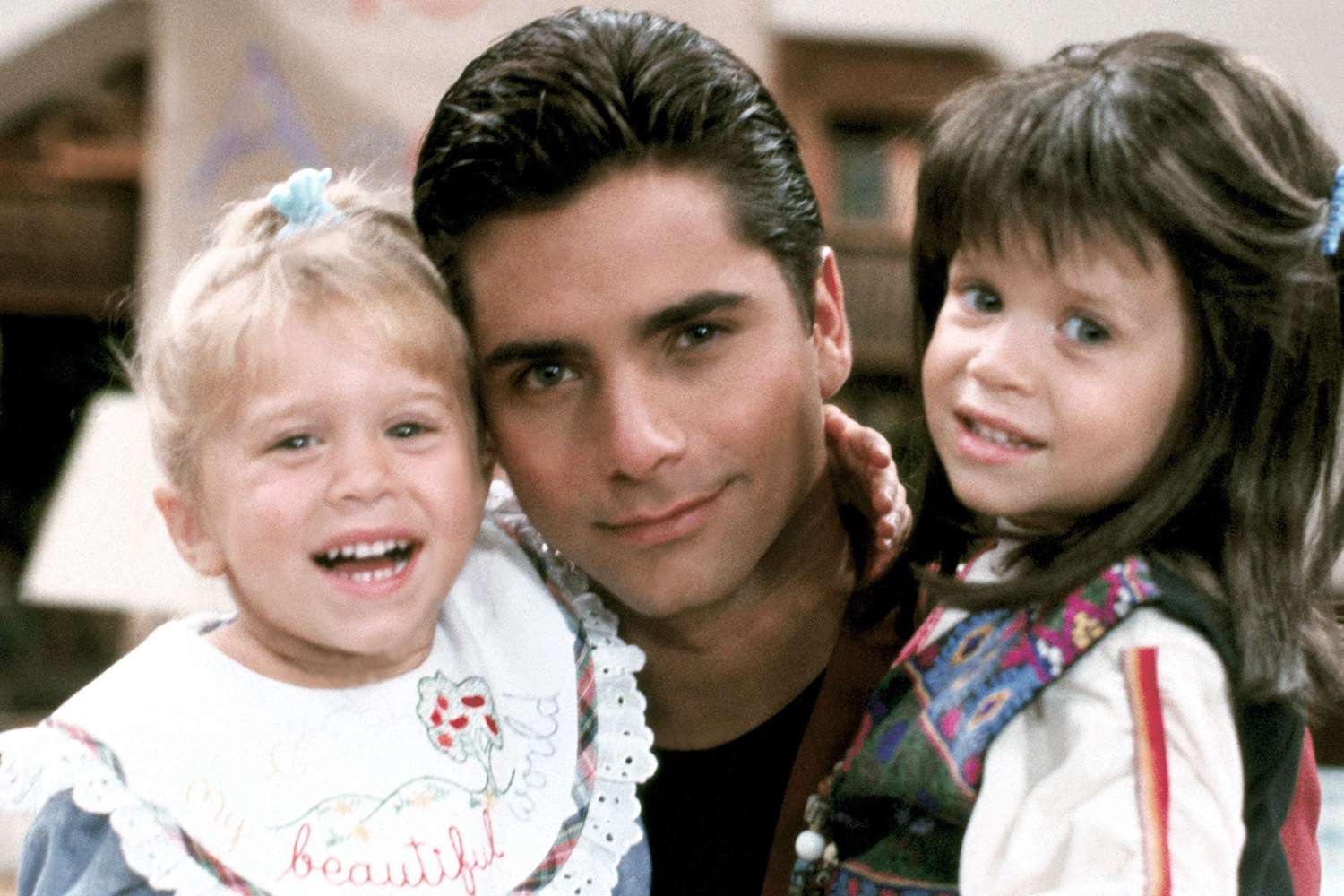
There is a real catalyst behind this spike, not just vibes. A major push seems to have come from John Stamos retelling early Full House set stories in interviews and in his memoir, and those quotes getting recirculated as if they are brand-new trivia if you have not been following every retro TV headline.
The detail that really lights the match, when it resurfaces: Stamos has described pushing for the twins to be replaced early on because they were crying a lot during filming, which is less “cute baby sitcom” and more “hard logistical day at work.” Depending on how people paraphrase it, the story sometimes turns into “they were fired,” but the safer summary is that he has said he wanted a change during those early, chaotic days.
Then the softer, stickier part arrives right on time. A new wave of rare sister photos and roundup posts, including galleries from major entertainment outlets such as People.com, gave the internet what it always wants: proof of a famously private family dynamic. Add in the usual syndicated “iconic twins” listicles, and you have a perfect curiosity stack.
The Full House twin system
The behind-the-scenes fact being reshared is that Full House did not just cast twins for fun. The show used Mary-Kate and Ashley strategically to keep “Michelle Tanner” on screen while working within the realities of filming with very young children. Twins have long been a TV workaround because they can share the workload, letting production get the scene without keeping one child under lights all day.
How they chose who worked
Across cast recollections and behind-the-scenes retellings, one theme stays consistent: it was often decided by the most unglamorous factor imaginable, whichever twin was calmer or more cooperative in that moment. When you are filming with infants and toddlers, “best for the role” sometimes just means “least likely to melt down under lights.”
Why it sticks
Because it reframes a childhood memory. Many of us grew up thinking Michelle Tanner was just one kid with an iconic wardrobe of overalls. Learning there was a practical system, and hearing how stressful those early days could be, reminds people that the warm fuzzy sitcom we remember was also a workplace with rules, schedules, and tiny humans who did not care about blocking.
- It’s surprising: people forget Michelle was played by two kids.
- It’s relatable: “pick the calmer toddler” makes immediate sense.
- It opens bigger questions: about child labor protections and child stardom.

Why sister photos matter
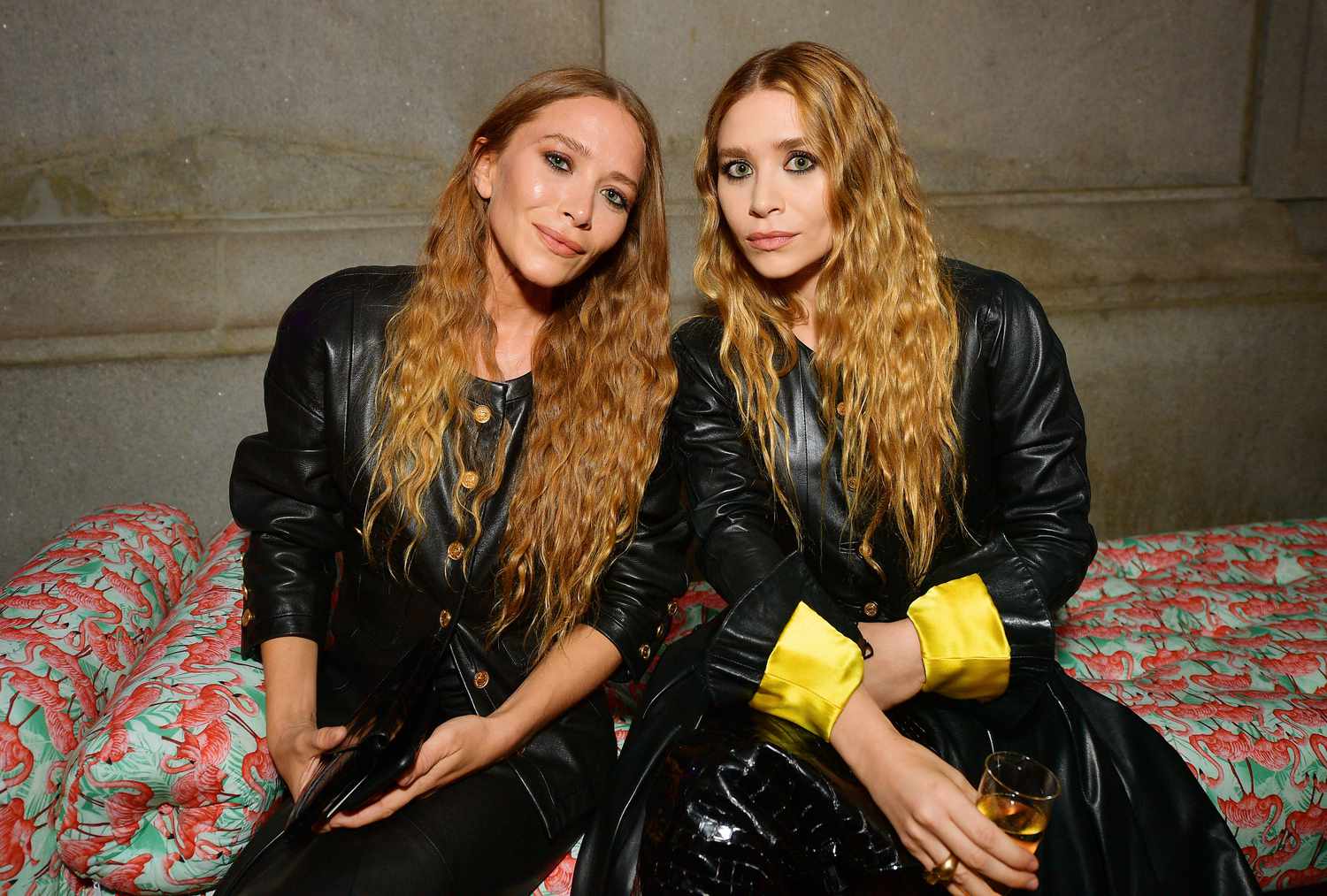
The other half of this trend is scarcity economics. When galleries and roundups circulate showing Mary-Kate, Ashley, and their younger sister Elizabeth Olsen together, it lands like a pop culture unicorn sighting because Mary-Kate and Ashley have spent years building a life where being seen is optional, not required.
When you are used to the twins being among the most recognizable faces of a whole era of TV and VHS culture, their absence becomes part of the mythology. So when a new roundup of sister moments pops up, it sparks the gentler curiosity: Are they close? Do they hang out? What is their family dynamic like now?
And honestly, the fascination is not inherently invasive. For many fans, it is a warm, nostalgic feeling: the kids who basically raised us via TGIF and rental tapes are real adults with a real family, and it is nice to see evidence of that.
One family, different fame
Here is the deeper narrative people are chasing, whether they realize it or not: the Olsen story is not just “former child stars.” It is a case study in how fame can splinter into totally different outcomes inside the same household.
Mary-Kate and Ashley: privacy by design
Mary-Kate and Ashley were not only sitcom kids. Their post-Full House era turned into a full-scale business machine through Dualstar and a string of projects that defined a certain kind of 90s and early 2000s girlhood. Then, gradually, they stepped away from acting and public celebrity in favor of fashion, building a reputation for serious, minimalist luxury and a near-total separation between their work and their personal lives.
Part of why the early-set anecdote resonates now is that it reminds people: these were working infants who grew into teens with an empire. It makes sense that adulthood might look like choosing boundaries, not more cameras.
Elizabeth: the actor route
Elizabeth’s fame path looks more traditional by modern standards: training, projects, and a steady climb into major mainstream visibility, including superhero-sized audiences. In a family famous for privacy, she has still managed a version of stardom that feels comparatively accessible, because her career requires it.
Why the contrast pulls people in
- It’s a fork-in-the-road story: same upbringing, different relationships to attention.
- It’s about agency: choosing public life versus choosing the work behind the work.
- It reframes success: red carpets are not the only kind of power in Hollywood.
Twins on TV
Twins being cast as one character is not just a quirky casting choice, it is also a production strategy shaped by the simple fact that kids can only do so much in a day. Sets typically work around time limits and schooling requirements for minors, and using twins helps keep filming moving while reducing the load on any single child.
It also helps explain why the “who was calmer today?” detail sticks. You can recognize the mechanism immediately, even if you do not know the paperwork behind it.
If you want other pop culture examples, the pattern shows up in lots of family TV: the Sprouse twins are a famous later-era case of shared casting that helped productions manage child schedules.
Where they are now
Because this trend is built on curiosity rather than a breaking scandal, it is worth centering what is actually knowable without turning anyone’s boundaries into a sport.
- Mary-Kate and Ashley Olsen: largely private, business-focused, and best known today for their fashion work and their intentionally low-profile public presence.
- Elizabeth Olsen: actively working as an actress, with the kind of visibility that comes with major franchise roles and ongoing projects.
The most interesting “update” is not a dramatic headline. It is the fact that they have each built a version of adulthood that makes sense for them, and it looks different on purpose.
Quick takeaway
This spike is what happens when a sharp behind-the-scenes detail collides with a shortage of new Olsen sightings. You come for the “how did they do that with twins?” curiosity, and you stay because the bigger story is still irresistible: one childhood in the spotlight can lead to wildly different versions of adulthood, and the contrast makes people look twice.