
There’s a reason American Idol keeps resurfacing in conversation even if you haven’t watched live in years. It is not just one viral clip. It is the overlap of two winner narratives that naturally makes people zoom out and ask bigger questions about what the franchise actually produces: a moment, a career, or something in between.
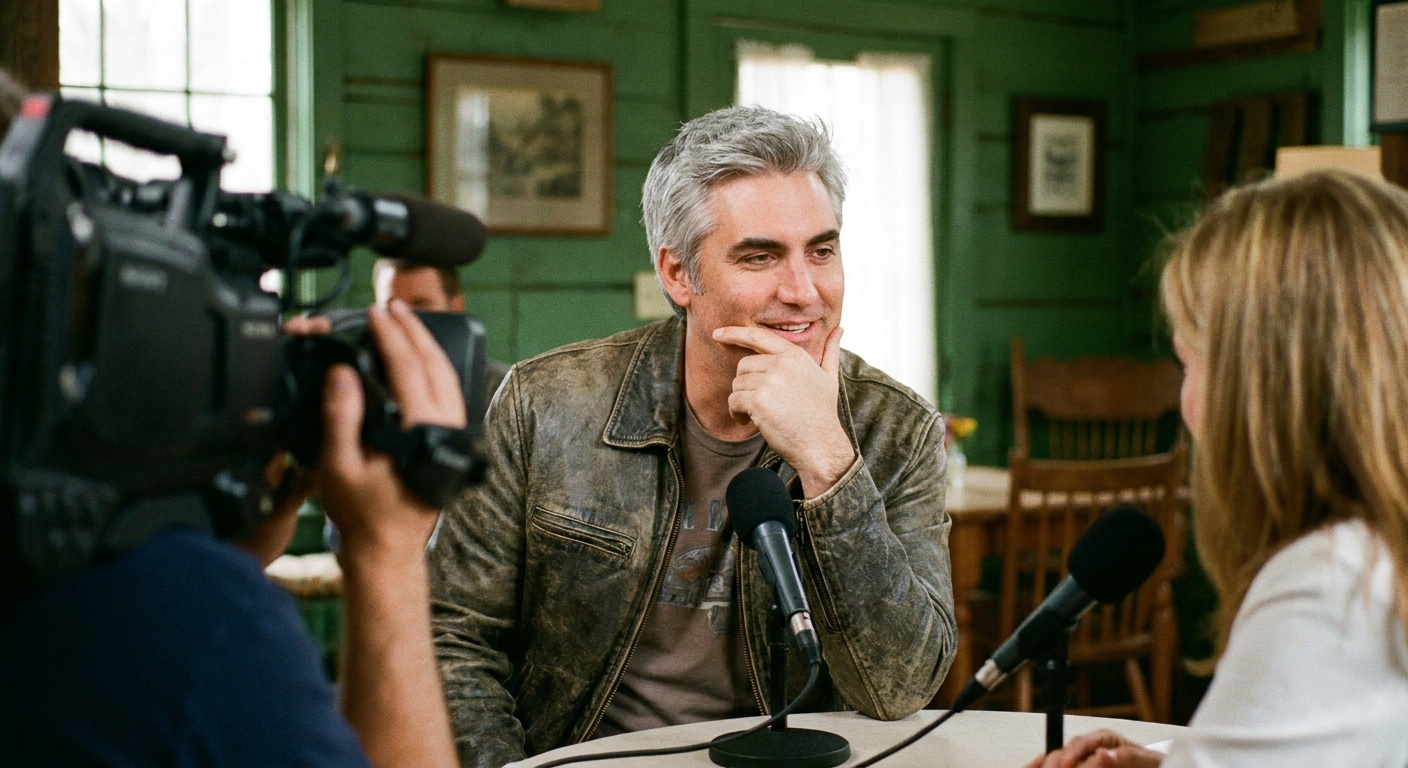
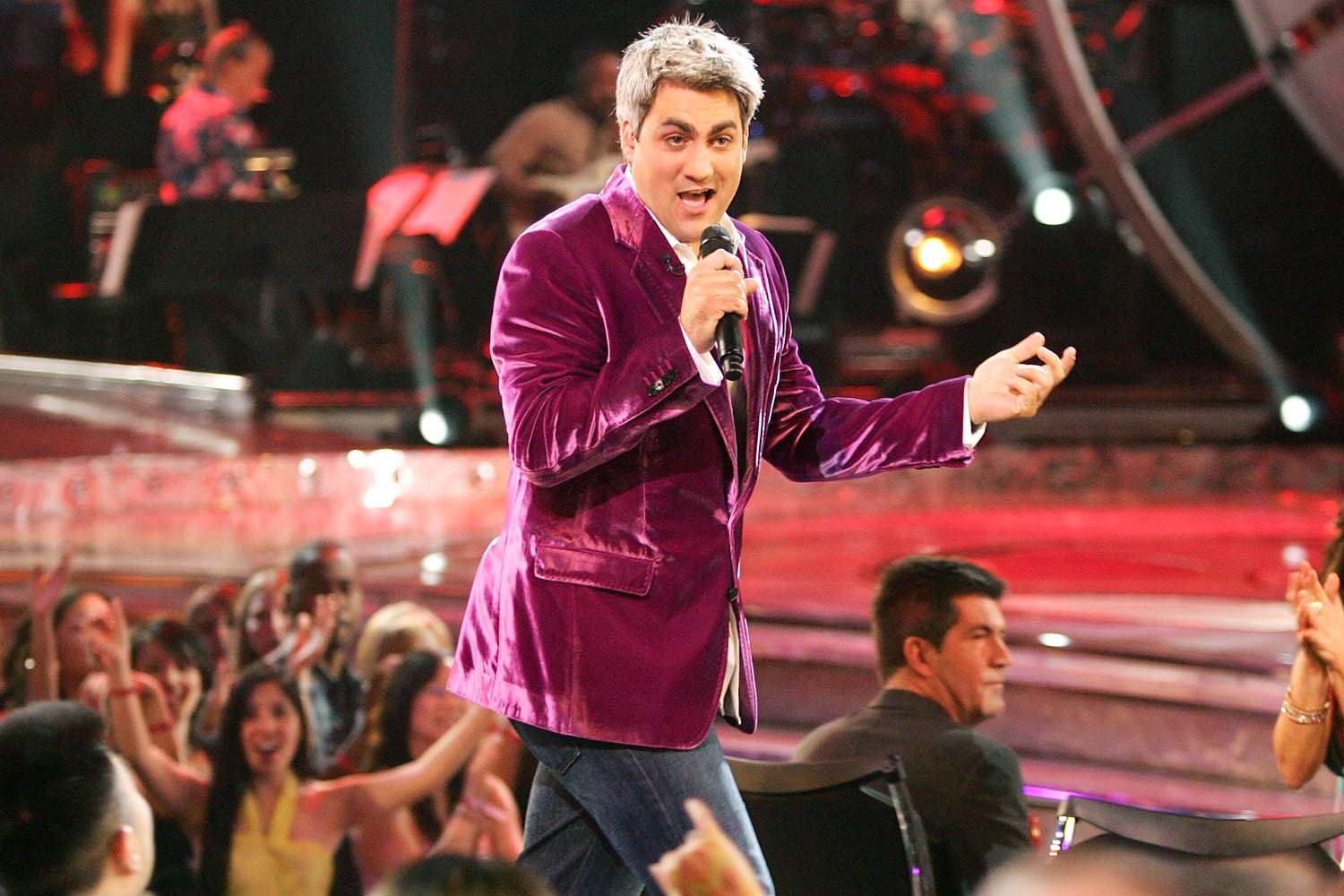
On one track: Taylor Hicks, the Season 5 winner (2006), has been revisiting the less-glamorous truth about what comes after the confetti. In 2024, he told People that winning can open the door, but the real work begins after the cameras leave and you have to build the career yourself.
On the other: Abi Carter, the Season 22 winner (2024), is in the classic post-finale window where everything is still bright, raw, and new. Her coronation single, “This Isn’t Over,” is already functioning as her first real-world introduction outside the weekly voting bubble.
Put those together and you get more people circling the umbrella term American Idol, not just one contestant. One winner offers long-view perspective. The other is a fresh entry point. That contrast makes the entire franchise feel newly worth discussing.
Not just nostalgia
When a long-running show pops back up in a noticeable way, audiences are usually chasing two questions at once:
- What actually happens after you win? The myth, the cautionary tales, the industry reality.
- What is the current winner doing right now? The immediate next steps, the first release, the first booking, the first public chapter.
Taylor and Abi represent those two poles. Taylor is hindsight. Abi is present tense. Because both angles are shareable for different reasons, the combined effect can lift interest in the whole brand: American Idol.
Taylor Hicks after the win
Taylor Hicks’ renewed attention is tied to one persistent, human idea: winning is not the end of the story, and sometimes it is where the hard part starts. In his 2024 interview with People, he framed the title as a platform rather than a guarantee, emphasizing that the job is what you do when the TV schedule stops structuring your life for you.
It lands because the Idol finale is designed to feel like a finish line. In real life, it is closer to day one.
Pressure moves fast
On the show, the mission is clear: perform well, connect with voters, survive eliminations. After the win, the mission gets murkier and more intense: define an identity, deliver commercially, and do it under a microscope that is suddenly national.
A title is not a guarantee
One misconception that fuels quotes like Hicks’ is the idea that a title equals long-term industry security. Winning delivers visibility and access, but it does not automatically deliver:
- a fanbase that follows you beyond the TV season
- a label strategy that matches who you are as an artist
- time to develop in smaller rooms before bigger stages
- mental space to adjust to sudden public recognition
That gap between the televised coronation and the real-world building years is the story he keeps pointing toward, and it is why the sentiment still travels nearly two decades later.
What he is doing now
Hicks has kept working as a live performer long after the peak of Idol mania. In recent years, he has been closely associated with his long-running gigging lane, including the period when he fronted the Taylor Hicks Band and held a multi-year residency presence in Las Vegas at Bally’s (now Horseshoe Las Vegas), a reminder that a lot of “after the show” success looks like consistency, not constant headlines.

Abi Carter right now
While Taylor’s story is about what happens when the cameras move on, Abi Carter’s coverage is about what happens when the cameras have just turned your way.
The franchise rollout tends to follow a familiar arc: the announcement, the immediate press moments, the gratitude clips that travel fast online, then early performances and appearances that keep momentum alive while casual viewers learn who you are beyond the last episode.
Her first release
For Abi, that first step is tangible. Her coronation single, “This Isn’t Over,” is the initial test of whether finale buzz turns into repeat listeners. It is also the first clue about her lane, because it asks audiences to connect with her voice without the weekly narrative scaffolding of the show.
The first public lap
In the days after the finale, winners typically move through the same tight corridor of visibility: winner interviews with ABC and entertainment outlets, social-first clips from the Idol accounts, and at least one early performance moment designed to keep the story alive outside the show itself. Carter has been doing exactly that, using the immediate post-win window to introduce herself as more than a finale reaction, and to anchor the narrative around her voice and her first single rather than just the trophy.
Early moves set the tone
For a new winner, the early post-finale steps set expectations in three areas:
- Sound: what lane she chooses first
- Story: what she emphasizes beyond the show
- Momentum: whether finale buzz turns into repeat listeners
In other words, the question is not just “Who won?” It is “Who are we meeting now that the season is over?”

Why the contrast works
What makes this a two-trigger moment is that Taylor and Abi’s narratives play like a call-and-response about fame.
- Abi’s storyline: the dream looks real, the door is open, the next step is happening now.
- Taylor’s storyline: the dream is real, but the hard part can come after the applause.
Social media loves that split-screen feeling even when nobody is literally posting them side by side. It is the built-in drama of time. One winner at the starting line, one winner looking back from the road.
And for fans, it opens a more thoughtful question than the show itself has time to answer: if winning is not the whole point, what is the point? Longevity, creative control, mental health, touring, or simply getting the chance to do music full-time.
The post-win sprint
Part of the curiosity is also practical. Viewers know the show does not hand someone a trophy and vanish. There is a post-win sprint: media hits, meetings, recordings, and a fast pivot from contestant to market-ready artist.
The details of those arrangements have shifted by era, but the broad pattern is consistent: immediate visibility, intense expectations, and a compressed timeline to turn attention into something durable.
This is one place where the 2006 and 2024 versions of Idol feel especially different. Taylor Hicks won in a TV-first, radio-heavy moment. A current winner steps into a streaming-first reality where short clips, algorithmic discovery, and direct fan funnels can matter as much as traditional gatekeepers.

Working musicians
There is also a quieter interest driver in the background: alumni touring and regional bookings. This part of the Idol ecosystem does not always spike online, but it keeps the brand alive between finales.
It matters because it shows the middle class of reality TV fame that rarely gets discussed. Not every contestant becomes a stadium name, but the show can turn visibility into real working-musician opportunities: festivals, fairs, local venues, and community events where fans show up because they feel like they know you. Even when the mainstream spotlight moves on, that recognition can still translate into a career built one booking at a time.
What to watch
- Abi Carter: whether “This Isn’t Over” becomes a real post-show foothold, plus which performances and interviews she stacks next to extend the finale moment into an actual first era.
- Taylor Hicks: whether he keeps leaning into the working-musician model that has defined his post-win years, and whether he continues to speak plainly about the gap between winning and lasting.
- The show itself: whether finale-week attention converts into lasting interest or fades until the next casting cycle.
Takeaway
Taylor Hicks’ framing works because it punctures a fantasy without sounding bitter. His point was not that the platform is pointless. It is that the platform is not the job. The job starts after.
Meanwhile, Abi Carter’s winner moment is compelling precisely because it is still full of possibility. Her single “This Isn’t Over” gives that possibility a title, a sound, and a first test in the real marketplace. If Taylor’s story is a reminder that fame does not solve everything, Abi’s is proof that a new chapter can still be thrilling.
In the end, this is why American Idol keeps coming back. It is not just a singing competition. It is a long-running public experiment in what happens when ordinary people become famous on a schedule, and then have to build a real life afterward.