
If you felt the internet collectively reach for a calculator the second Taylor Swift’s latest era started stacking up fresh chart wins, you are not imagining it. A No. 1 turns a release into a scoreboard, and the scoreboard into one giant question people keep asking: how does she keep doing this?
Here is the durable truth. Swift’s dominance is not a fluke week. It is repeatable, and the latest proof is specific and hard to argue with.
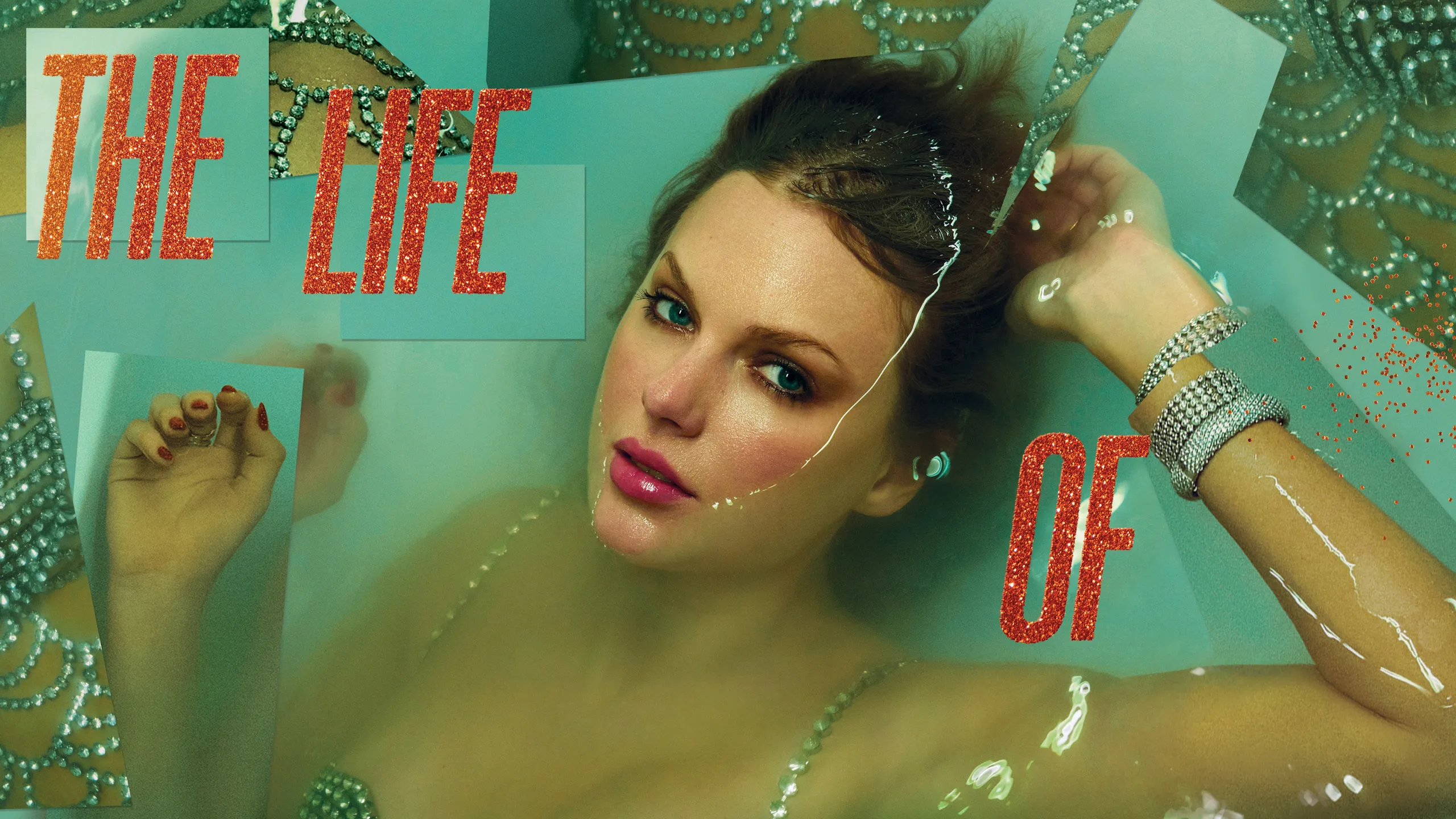
The headline
Taylor Swift’s album The Life of a Showgirl has become the second album in her catalog to produce multiple No. 1 hits on the Billboard Hot 100. The track “Opalite” followed “The Fate of Ophelia” to the top spot.
That detail matters because it is not just “another No. 1.” It is sustained peak performance inside the same album cycle, when attention is supposed to splinter and move on.
Why it matters
Pop stardom is often described like a lightning strike: one song, one moment, one peak. Multiple No. 1s from the same project tells a different story. It suggests the audience is not only showing up, but staying, replaying, and re-centering the conversation around the work.
In practical terms, it stretches the lifespan of an era. One hit can be a spike that burns hot and fast. Two Hot 100 leaders from the same album signals traction and gives the project more than one tentpole track to carry it forward.
How she keeps winning
Swift’s chart strength can look effortless from the outside, but it tends to come from advantages that stack. Years of listening habits create catalog gravity, so a new release does not arrive in a vacuum. It plugs into an existing routine, and that routine already includes her.
Then there is the way her fans behave around release weeks. They are treated like events, not uploads, with a coordinated focus many artists would love to replicate. Add songwriting that rewards replay, the kind of detail that makes people run a track back, and you get something even more valuable than a debut. You get staying power.
She also sells eras like worlds. The album is not just a set of tracks, it is a narrative people can step into. In this case, that world has now produced two separate Billboard Hot 100 leaders: “The Fate of Ophelia,” then “Opalite.”
The business angle
Behind the headlines is the part that makes this kind of run possible over and over: a modern pop machine built for momentum. When an artist can turn each era into a full ecosystem, the music travels farther than a single song.
That ecosystem is made of repeat listeners, high-intent release-week behavior, and a catalog that keeps pulling new tracks into the same orbit. It is less about one big moment and more about a structure that keeps creating them.
What to watch
If you are tracking this story like a season, the next tells are simple. Does The Life of a Showgirl keep generating peaks, or does it settle into a long plateau? Once an era already has multiple No. 1s, the floor is higher and the path for another breakout track is easier to imagine.
Also watch whether more songs become real tentpoles for the project. The more tracks that take on life outside launch week, the more the album turns into a long-run powerhouse instead of a single moment.
For fans, the takeaway is simple. This is not a one-week win. It is another chapter in a pattern.