
In Hollywood, a prenuptial agreement is not a romance-killer. It is closer to a seatbelt: you hope you never need it, but you will be grateful it is there if life takes a hard turn. And because celebrity relationships come with paparazzi , brand deals, and entire business empires, prenups can get more detailed than the average “what’s yours is yours” handshake.
Let’s break down what celebrity prenups typically cover, why they are so common before high-profile weddings, and what we can actually learn when divorce paperwork becomes public. This is general information, not legal advice, and every prenup depends on the couple, the state, and the timing.

What a prenup is, in plain English
A prenuptial agreement (prenup) is a contract signed before marriage that sets expectations around money, property, and certain financial rights if the marriage ends. Most of the time, that means divorce. Some prenups also address what happens at death, but inheritance rules (like elective share rights and probate statutes) can limit what a contract can do on its own, so couples often pair a prenup with coordinated estate planning.
Think of it as a custom rulebook that can modify what state law would otherwise decide. States generally follow one main system for dividing property in divorce: community property (often close to a 50-50 framework for marital assets) or equitable distribution (a “fair” split that is not always equal). A prenup lets couples define “fair” for themselves ahead of time, when they are on the same team, with the understanding that courts still review enforceability.
Why celebrities use prenups so often
When you are famous, you do not just have a paycheck. You have a brand. You might also have:
- Royalties and residuals that keep coming for decades
- Production companies, fashion lines, tequila brands, and other business interests
- Catalog value, image licensing, and IP ownership (music publishing, film rights, trademarks)
- Real estate in multiple states or countries
- Family trusts and estate planning obligations
That level of complexity is why prenups are often less about distrust and more about logistics. Many are also pushed by:
- Teams and stakeholders: managers, business partners, investors, and studios prefer predictability
- Prior marriages or kids: people want to protect children’s inheritances and pre-marriage assets
- Privacy concerns: controlling what becomes public during a breakup
Clauses you will see again and again
1) Separate property: “What I had before stays mine”
This is the core of most celebrity prenups. It often lists or describes what each person already owns and states it remains separate property, meaning it will not be divided in divorce.
In Hollywood, this can include:
- Pre-marriage homes and real estate investments
- Business ownership shares
- Existing savings and investment accounts
- Music catalogs, film libraries, and intellectual property
- Royalties and residuals tied to pre-marriage work
2) What counts as marital property and how it gets split
Prenups can spell out how new assets acquired during the marriage will be handled. Some couples keep almost everything separate, while others agree that certain purchases, like a shared home, are jointly owned.
They may also address how to treat:
- Joint bank accounts
- Mortgage payments coming from mixed funds
- Big-ticket purchases like art, jewelry, or cars
- New companies launched during the marriage
One concept that matters here is commingling (mixing separate and marital funds) and, in some states, transmutation (separate property effectively becoming marital through the way it is handled). Prenups often try to set clear tracing rules to avoid a “we can’t tell anymore” fight later.
3) Spousal support terms (including caps and “step-ups”)
Spousal support, also called alimony, is where celebrity prenups can get very specific. Some contracts waive it, some cap it, and others create a formula based on the length of the marriage.
A common structure is a “step-up” arrangement, where support increases the longer the couple stays married. It is essentially a built-in acknowledgment that long marriages often mean more financial interdependence.
Important nuance: enforceability varies widely by state. Courts can scrutinize support provisions, especially if the result looks unfair at the time of divorce or if the agreement was not negotiated with proper disclosure and independent counsel.
4) Confidentiality and NDAs: protecting privacy during a split
For public figures, the biggest fear is not always the money. It is the mess. Prenups often include confidentiality clauses that restrict either spouse from sharing private details about:
- The relationship and intimate communications
- Family disputes and parenting issues
- Financial information and business operations
- Texts, emails, photos, and recordings
Some agreements include liquidated damages, a pre-set amount owed if someone breaks confidentiality. Whether those penalties hold up depends on state law and how they are drafted. In general, they usually need to look like a reasonable estimate of harm, not a punishment.
5) Social media and publicity boundaries
This is newer, but very real. Some couples set rules around posting during a breakup or using the other person’s name for promotion. Even without a formal “no subtweeting” clause, contracts may regulate commercial use of name and likeness, including what either person can do with couple-related content.
6) IP and future earnings: what happens to the next album
This is a big one for celebrities and creators. Prenups may address intellectual property created during the marriage and how to treat income streams that show up later, like royalties that keep paying out long after separation. The agreement might define whether new works are separate, marital, or shared in a specific way, and it may set valuation methods for complex assets like catalogs and licensing deals.
7) Sunset clauses and lifestyle clauses
Some prenups include a sunset clause, meaning certain terms expire (or soften) after a set number of years. Others experiment with “lifestyle” provisions, including infidelity clauses. These can be highly state-dependent, and courts may treat them differently depending on how they are written and whether they collide with public policy.
8) Debt responsibility
Prenups can specify who is responsible for existing debt and how any new debt will be handled. This matters in celebrity life where business ventures, mortgages, and tax issues can get complicated fast.
9) Attorney fees and how disputes get resolved
Many prenups include provisions about:
- Whether one party pays the other’s legal fees in a divorce
- Mandatory mediation before court
- Arbitration clauses, which can keep parts of a dispute out of public courtrooms (depending on enforceability and state rules)
One more nuance: even when arbitration is allowed, issues involving children often cannot be fully decided by private contract, or they face heightened court review.
What prenups usually cannot do
This is where Hollywood myth meets real-world law. In many places, prenups have limits. They generally cannot:
- Predetermine child custody decisions (courts prioritize the child’s best interests at the time)
- Lock in child support in a way that undercuts legal standards
- Include illegal or coercive terms, or be signed under duress
Also, even “valid” prenups can be challenged if one person did not fully disclose finances, did not have enough time to review, or did not have independent counsel. In practice, courts tend to be skeptical of last-minute surprises and one-sided setups.
How divorce filings sometimes reveal what was signed
Here is the tricky part: most prenups are private. But in celebrity divorces, details can surface in a few ways:
- Court filings: One spouse may reference the existence of a prenup or ask the court to enforce it
- Disputes over validity: If someone challenges the prenup, more information can become part of the legal record
- Reporting based on sources: Entertainment outlets sometimes report broad terms without publishing the document
Even when the prenup itself is never attached, you can sometimes infer its impact from how quickly the divorce settles, whether either side requests spousal support, and whether assets appear to stay neatly separated.
Examples and what they show
Because prenups are often confidential, what we “know” is usually limited to what is referenced in filings or credibly reported by major outlets at the time. The more evergreen lesson is what these cases tend to highlight when they hit headlines.
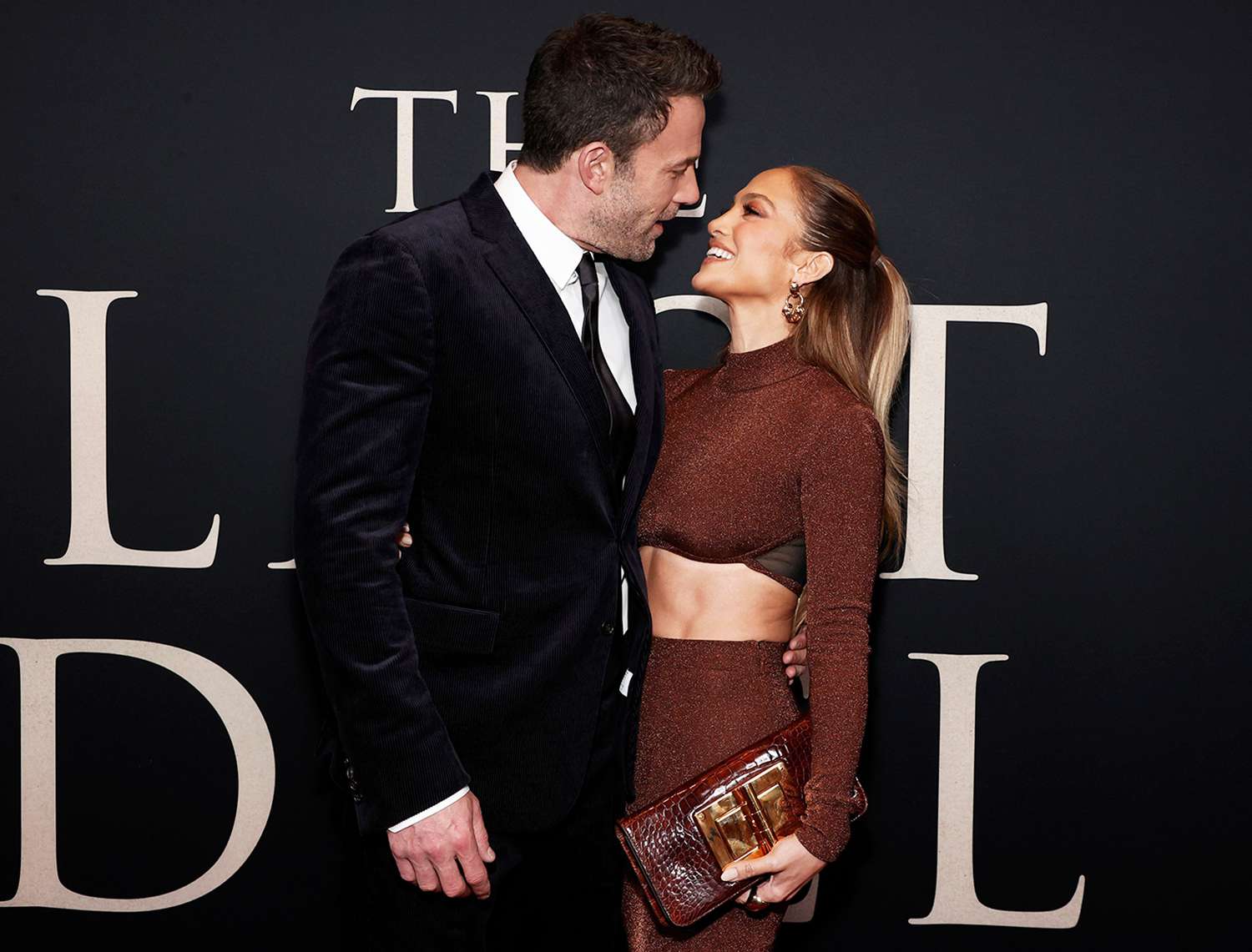
Jennifer Lopez and Ben Affleck
In recent coverage of Jennifer Lopez and Ben Affleck, speculation about whether a prenup existed became part of the story. That pattern is the point: with two high earners and multiple business interests, the presence or absence of a prenup can change what lawyers fight about, even if the actual document never becomes public.
Kevin Costner and Christine Baumgartner
Kevin Costner’s divorce was a reminder that support, lifestyle expectations, and temporary financial orders can become very public very quickly. Even when a prenup exists, disputes can still arise around how day-to-day expenses are handled while the case is pending, and what the law requires in the meantime.
Sophie Turner and Joe Jonas
In Sophie Turner and Joe Jonas’ divorce, public attention focused heavily on parenting and jurisdiction issues. It is a clear reminder that even an airtight financial prenup does not control everything. Courts treat custody and parenting arrangements as living issues based on what is best for the children, not what looked tidy on paper before the wedding.
Takeaway: In modern celebrity splits, prenups tend to shape the financial and privacy chessboard. The most intense legal disputes, however, can still revolve around children and logistics that contracts cannot fully pre-solve.
What a good celebrity prenup looks like
From a human standpoint, the best prenup is the one that reduces panic later. The agreements that tend to hold up are usually:
- Transparent: full disclosure of assets, debts, and income streams
- Voluntary: no pressure, no coercion, no “sign tonight” tactics
- Fair-looking: not wildly one-sided, especially after years of marriage
- Well-timed: signed well before the wedding, not the night before
- Independently reviewed: each person has their own attorney
- Specific: clear definitions of separate vs. marital property, plus tracing rules
And honestly, the healthiest prenups are often paired with a real conversation about values: What does security mean for each person? What happens if someone pauses their career? How do we protect privacy without silencing each other?
The bottom line
Celebrity prenups are not just about protecting the rich from the less rich. They are about managing complicated lives in a way that keeps both parties safer financially and, ideally, less exposed emotionally. In an industry where a relationship can become content, a prenup can be one of the rare tools that keeps parts of love from becoming public property.
If there is one Hollywood lesson here, it is this: the most romantic thing a prenup can do is make a worst-case scenario a little less brutal.