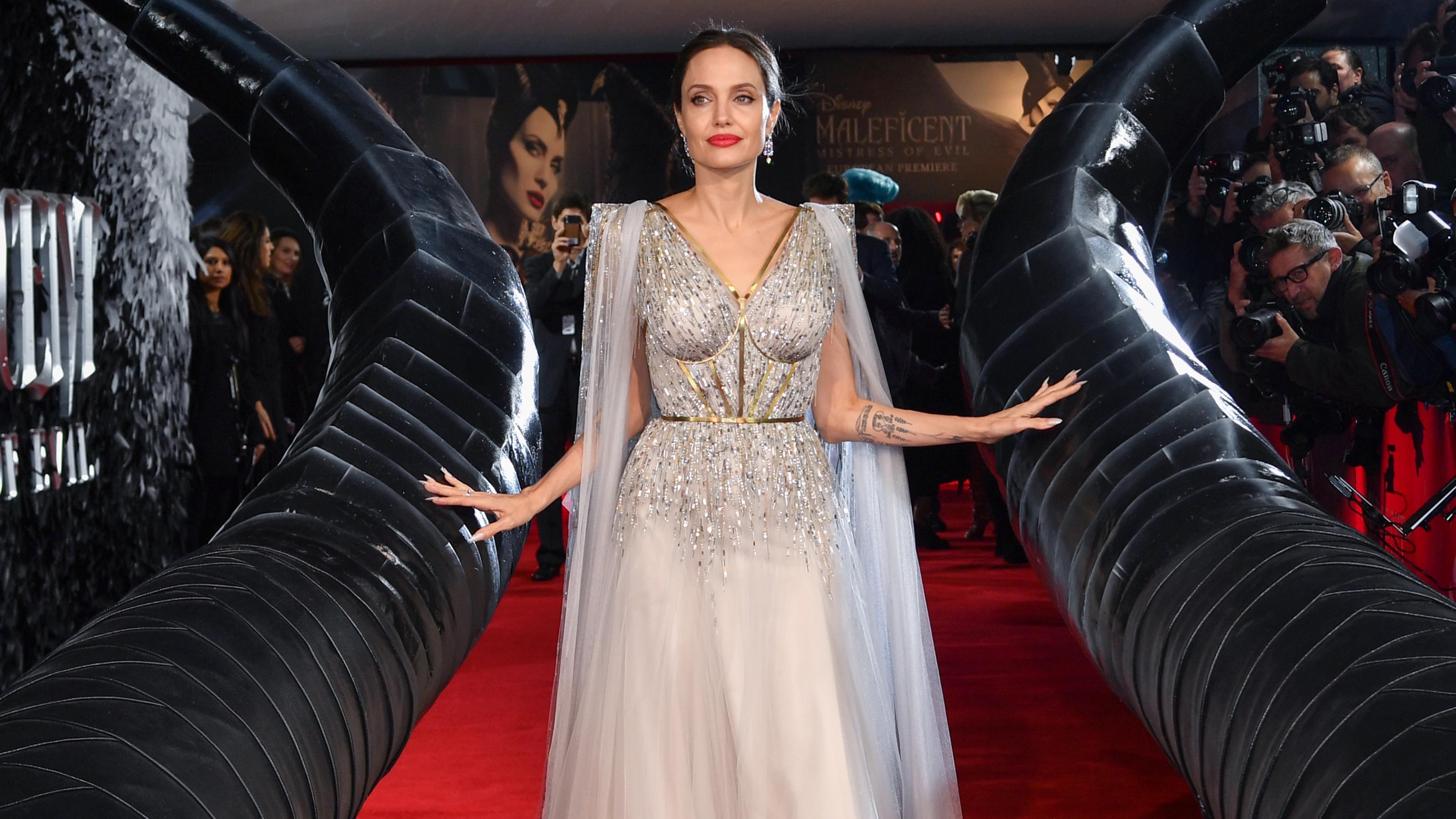
Paparazzi photos are basically Hollywood’s weather system. Sometimes it is a harmless snapshot outside a premiere. Sometimes it is a full-on storm: car chases, kids being followed, cameras shoved through hedges, drones over backyards. And because this is America, the big question becomes: can a celebrity sue , or does the First Amendment mean anything goes?
Let’s break it down in plain English, with the key “yes, you can sue for that” moments, the frustrating “probably not” realities, and why California tends to be the loudest battleground.
Quick caveat: paparazzi rules vary a lot by state (and country). What flies in New York might be lawsuit fuel in California, and vice versa. This is a general explainer, not legal advice.
The core rule
If you only remember one thing, remember this: being famous does not erase your privacy, but it does shrink it in public.
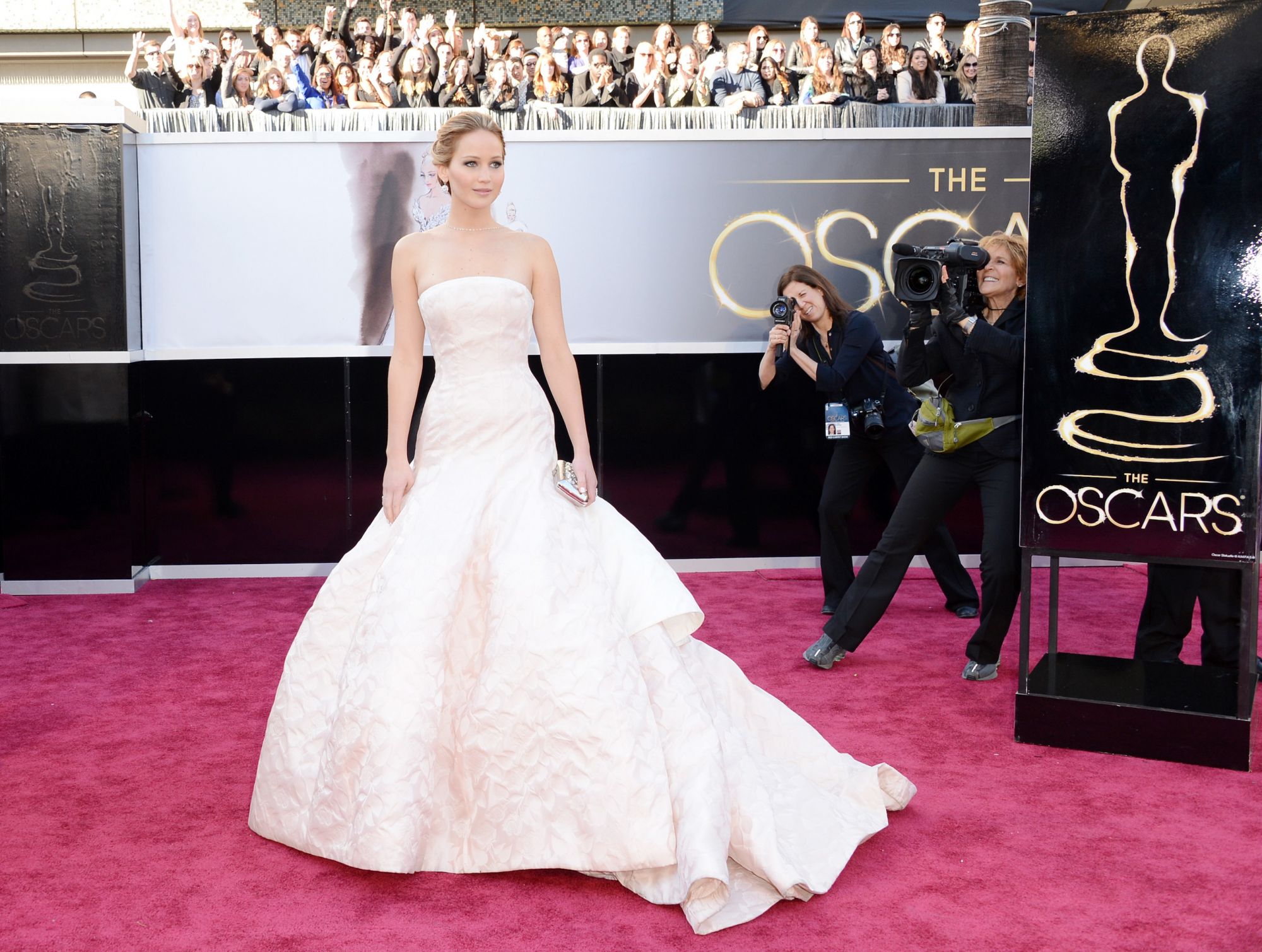
Public places: photos are often legal
In many situations, if a celebrity is in a place the public can legally be, photographers can generally photograph them. That includes sidewalks, parks, and red carpets.
- Rule of thumb: If the photographer is standing somewhere they are allowed to stand, and they are capturing what an ordinary passerby could see, the photo itself is usually legal.
- Important: Public-facing does not always mean public property. A restaurant patio, a hotel lobby, and a venue entrance can be private property even if you can see it from the street, and a venue can set and enforce its own rules.
- Also: “Legal photo” does not automatically mean “legal behavior.” Even when the image is lawful, the conduct around it can cross into harassment, trespass, stalking, or dangerous driving.
Private places: protections increase quickly
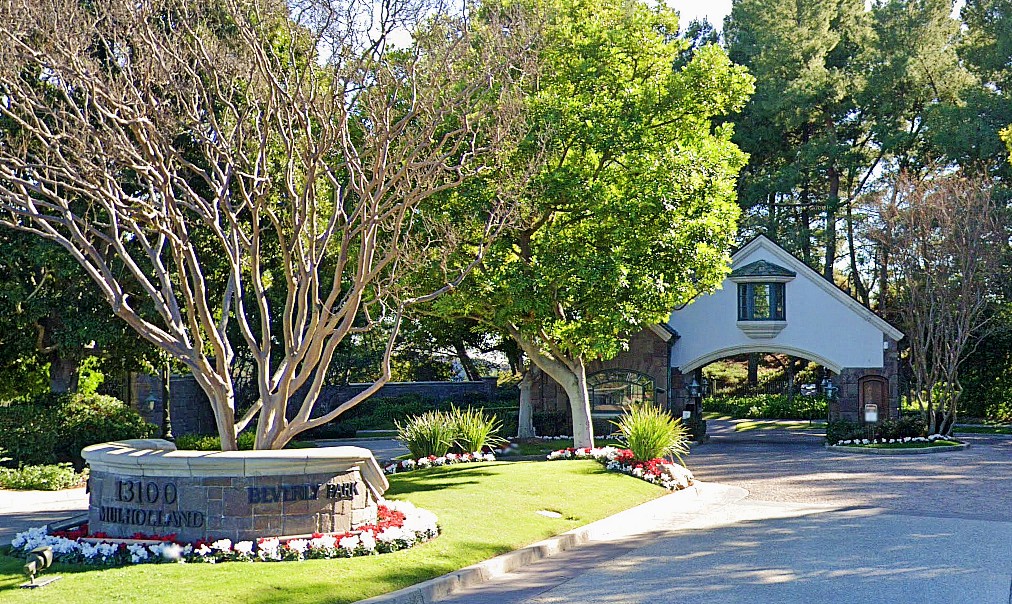
Private property is where celebrities have their strongest legal footing, especially at home. If a photographer crosses a gate, climbs a wall, enters a hotel floor they are not authorized to be on, or otherwise enters a private area without permission, that is often trespass , and it can also support privacy claims.
Even without stepping onto the property, photographers can still get in trouble if they use intrusive methods to capture what could not be seen from a normal, lawful public vantage point.
What celebrities can sue for
Paparazzi lawsuits are rarely “you took my photo, pay me.” They are more often about how the photo was taken, where the photographer was, and what risks were created along the way.
Trespass
If someone enters private property without permission, that is one of the cleanest claims in many paparazzi disputes. Trespass can include hopping fences, entering private driveways, or sneaking into restricted areas.
- Celebrity-friendly fact: You do not need to be physically harmed to sue for trespass. The unauthorized entry itself matters.
- Reality check: If the photographer never crossed onto private property and stayed on the sidewalk, trespass will be harder to prove.
Intrusion upon seclusion
This privacy claim basically means: you deliberately invaded my private space in a way that would offend a reasonable person. Think long-lens shots through bedroom windows, hiding in bushes, or using tech to peer into places meant to be private.
It is not just about embarrassment. It is about whether the subject had a reasonable expectation of privacy and whether the intrusion was highly offensive.
Publication of private facts and false light (limited)
Depending on the state, there are privacy claims tied to publishing, not just taking. Two examples you might hear about:
- Publication of private facts: sharing truly private information that is not newsworthy and would be highly offensive to a reasonable person.
- False light: presenting someone in a misleading way that would be offensive (not recognized everywhere, and it overlaps with defamation in many places).
These tend to be narrower than people expect because “newsworthiness” can be broad, especially for public figures.
Harassment, stalking, and restraining orders
Following someone can move from annoying to unlawful if it becomes persistent, threatening, or safety-endangering. Depending on the facts and local law, celebrities may seek restraining orders or bring claims tied to harassment or stalking.
In California, lawmakers have specifically tried to curb aggressive tactics aimed at capturing people engaged in “personal or familial activity.” Translation: the kid-school-run moments, the grocery runs, the doctor visits.
Assault and battery
If a photographer physically blocks, touches, grabs, or shoves, that can become battery. If they put someone in reasonable fear of being harmed, that can be assault.
These claims show up in messy curbside confrontations, especially when multiple photographers crowd cars, doors, or sidewalks.
Intentional infliction of emotional distress (sometimes)
This is a higher bar. The conduct usually has to be extreme and outrageous, not just rude or invasive. But in cases involving relentless pursuit, threats, or terrifying situations, it can be added to the legal mix.
Dangerous driving and negligence
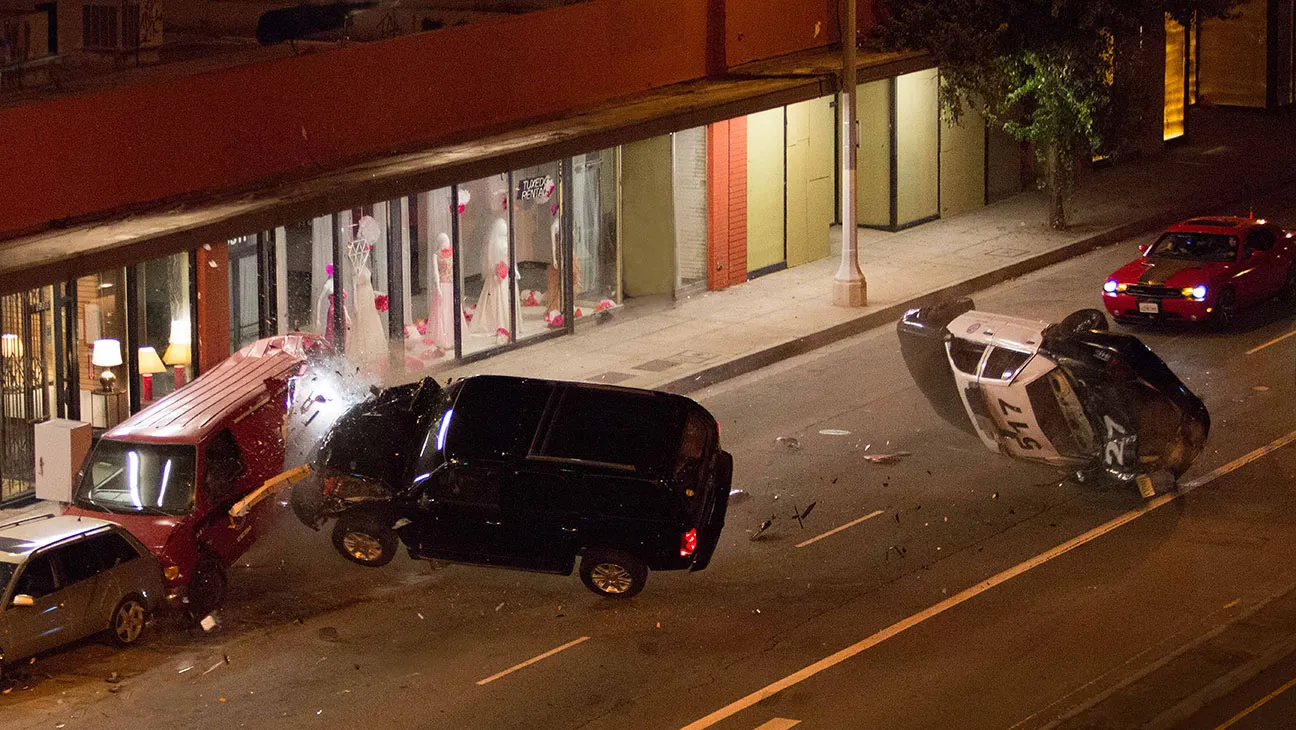
A lot of the most serious claims involve cars: speeding, cutting off vehicles, or chasing someone. If paparazzi cause an accident, they can be sued like anyone else for negligence.
Audio and video traps
Photos are not the only issue. Paparazzi and bystanders often record audio during confrontations, and audio recording can trigger separate laws.
- Consent rules vary: Many states are one-party consent, but California is generally two-party consent for recording confidential communications. That means secretly recording audio can create legal exposure even when filming in public might be allowed.
- Bottom line: “It happened in public” does not automatically make hidden audio recording lawful.
What celebrities usually cannot sue for
Now for the part that makes people mad, including some very famous people. This section is the flip side of the “what you can sue for” list.
Being photographed in public
If a celebrity is out in public and the photographer is on public property, the celebrity generally cannot sue simply because they do not like being photographed. That is especially true for public figures, and especially true when the image has a “news” or public-interest angle, which courts often interpret broadly.
Hurt feelings from accurate reporting
If an outlet reports something truthful, it is usually protected, even if it is humiliating. Defamation typically requires a false statement presented as fact that harms reputation, plus additional standards when the person is a public figure.
“You made money off my face” in news and editorial
Many people assume a celebrity can sue whenever a photo agency sells images. But right-of-publicity rules are tricky: using someone’s likeness to advertise a product is different from publishing a news photo in a media context.
General idea: editorial and news uses are often protected. Commercial advertising use is where claims get stronger.
Example: A paparazzi photo used in a magazine story is usually treated differently than the same image used to sell a skincare line.
California rules
California is the Super Bowl of paparazzi law because so many celebrities live and work here, and because the state has repeatedly updated statutes to address aggressive tactics.
The big, nameable anchor is California Civil Code § 1708.8, which covers both:
- Physical invasion of privacy: entering onto land or into airspace without permission to capture images, sound recordings, or other impressions of someone engaging in personal or familial activity.
- Constructive invasion of privacy: using “enhancing devices” (for example, long lenses or other tech) to capture what could not have been obtained without that intrusion, even if the photographer never set foot on private property.
California also has criminal laws that can apply in the right facts (for example, stalking and harassment provisions), and separate rules around reckless driving. The key point is simple: California has tried to reduce incentives for dangerous, invasive tactics, not just punish the final published image.
One more nuance people miss: there are scenarios where a person or outlet that first purchases unlawfully obtained material can face exposure under California’s framework, depending on what they knew or should have known about how it was obtained. The standard is fact-specific, and it is not a blanket rule that every publisher is liable.
Important: These rules are fact-specific. The same photo can be legal in one scenario and lawsuit fuel in another based on where the photographer stood, what barriers existed, and what methods were used.
And yes, drones can complicate everything. Beyond privacy and trespass-style claims, drone use can also raise separate aviation and local enforcement issues, depending on where and how it is flown.

Real-world outcomes
Most paparazzi disputes never produce a dramatic courtroom verdict. They tend to end in settlements, dismissals, or quiet agreements. Still, a few real-world patterns show up again and again.
When celebrities win (or force payouts)
- Clear trespass: Photographers crossing onto private property or restricted areas is the classic recipe for a strong case.
- Kids and family activity: Cases involving minors often create more legal urgency, and California law explicitly targets personal and familial activity.
- Proof of dangerous behavior: Video, eyewitness accounts, police reports, or crash evidence can shift a case from “annoying” to “actionable.”
When paparazzi or outlets prevail
- Public sidewalk, public moment: If the photographer stayed in a lawful public spot and the subject was plainly visible, courts are reluctant to punish photography itself.
- Newsworthiness arguments: The definition of “newsworthy” can be surprisingly broad, and it often protects editorial publication even when the subject hates it.
Why wins can look quiet
A settlement often means the public never sees the evidence. No admission of wrongdoing. No big legal precedent. Just a check, an agreement, and everyone moving on.
Quick FAQ
Why do most celebrities settle instead of going to court?
- Privacy: Trials create records. Depositions and exhibits can expose even more personal details than the original photos did.
- Time and stress: Lawsuits drag. Celebrities, especially those working nonstop, often prefer to resolve it fast.
- Unpredictability: Juries are unpredictable, and “public figure” cases can be legally uphill battles.
- Cost: Even wealthy people do not love spending hundreds of thousands on legal fees to prove a point.
- Business leverage: Agencies and outlets often want to avoid a precedent that could threaten their operations, so settlement becomes mutually attractive.
Can celebrities sue fans for taking photos?
They can, but it depends on the same basics: where you were standing, whether you trespassed, whether you harassed, and what you did with the image. A fan selfie on a public sidewalk is usually not the same as camping outside a gate or following someone for blocks.
Is it illegal to post paparazzi photos online?
Two different issues get mixed up here:
- Privacy and harassment: Posting may be ethically problematic and can amplify harm, but the underlying illegality depends on how the photo was obtained and what it shows.
- Copyright: The photographer or agency usually owns the copyright to the image, not the celebrity. So reposting can trigger takedowns or copyright claims even if the photo itself was legally taken.
Can a media outlet get sued for publishing a paparazzi photo?
Sometimes, but publication is often protected when it is newsworthy. Risk goes up when the material was obtained through clear illegal conduct, when it reveals truly private facts with no legitimate public interest, or when it is used in advertising instead of editorial coverage.
What should fans know before sharing invasive photos?
- If kids are involved, pause. Even when something is technically legal, children deserve extra care.
- Avoid doxxing-adjacent details. Do not share addresses, license plates, school uniforms, or location breadcrumbs.
- Ask: would you want this done to you? The bar is not “can I,” it is “should I.”
- Do not reward dangerous behavior. If a photo clearly came from trespass, drones, or chasing, sharing it helps that market.
Do celebrities have to prove harm?
Often, yes. Many claims require showing damages, distress, or a real invasion of privacy. Trespass can sometimes be simpler, but big payouts typically need evidence that something meaningful happened beyond a single annoying click.
The bottom line
Celebrities can sue paparazzi for trespass, intrusive privacy invasion, harassment, assault, unlawful recording, and dangerous behavior. They usually cannot sue just because they were photographed in public, even if the moment is awkward, unflattering, or deeply irritating.
And for fans, the most powerful choice is not legal. It is cultural. The less we click, repost, and reward invasive content, the less incentive there is for anyone to chase it.