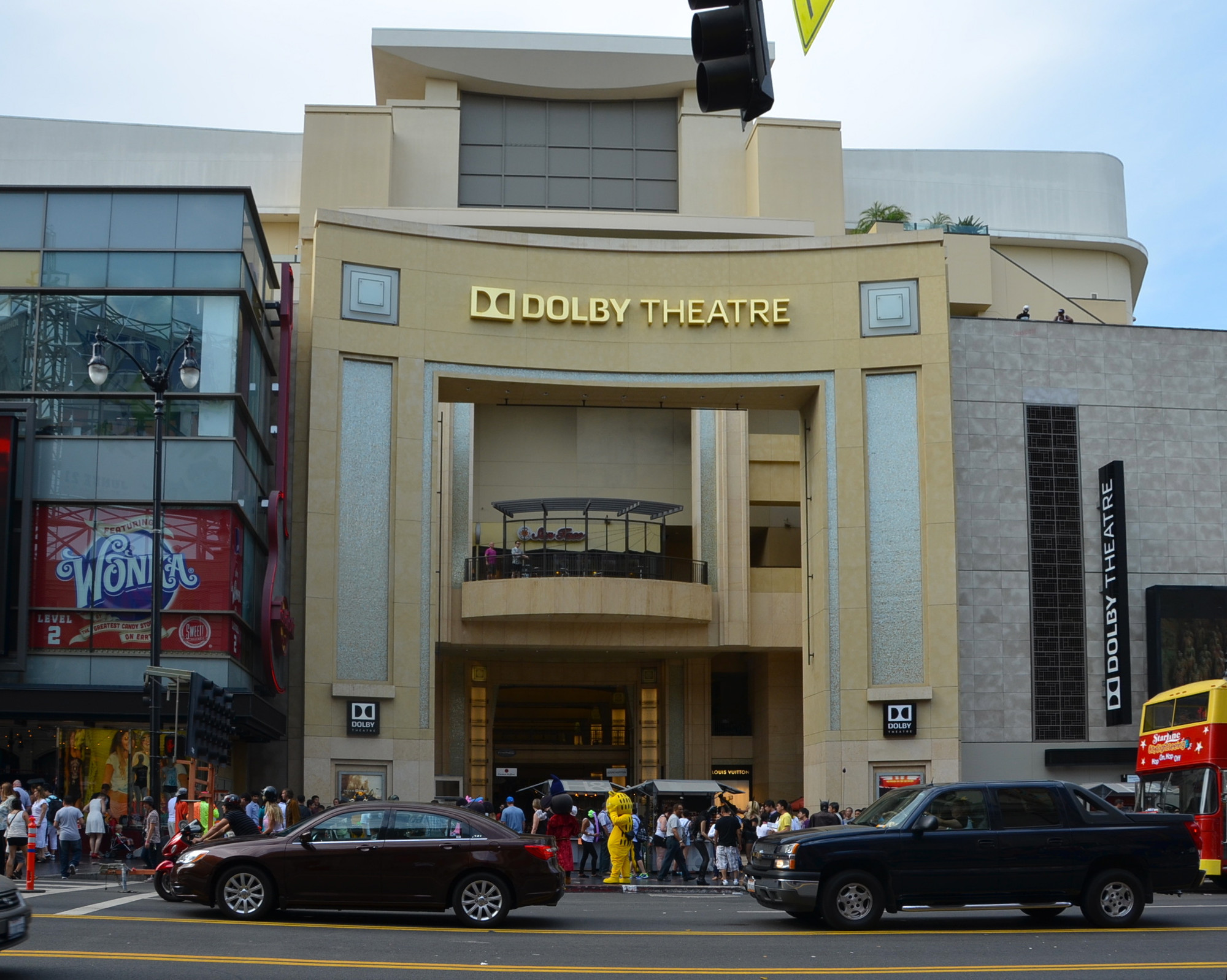
Every awards season, it can feel like the same movie is suddenly everywhere: Q&As, glossy “For Your Consideration” ads, one more screening you swear you already saw on Instagram, and a parade of interviews where everyone is suddenly very into the phrase “theatrical experience.” None of it is accidental.
Oscar campaigning is a structured, months-long marketing and relationship-building effort designed to keep a film top of mind for Academy voters and the many other voting groups that shape the conversation. It is less “secret backroom deals” and more “relentless calendar management,” with clear rules about what studios can and cannot do.
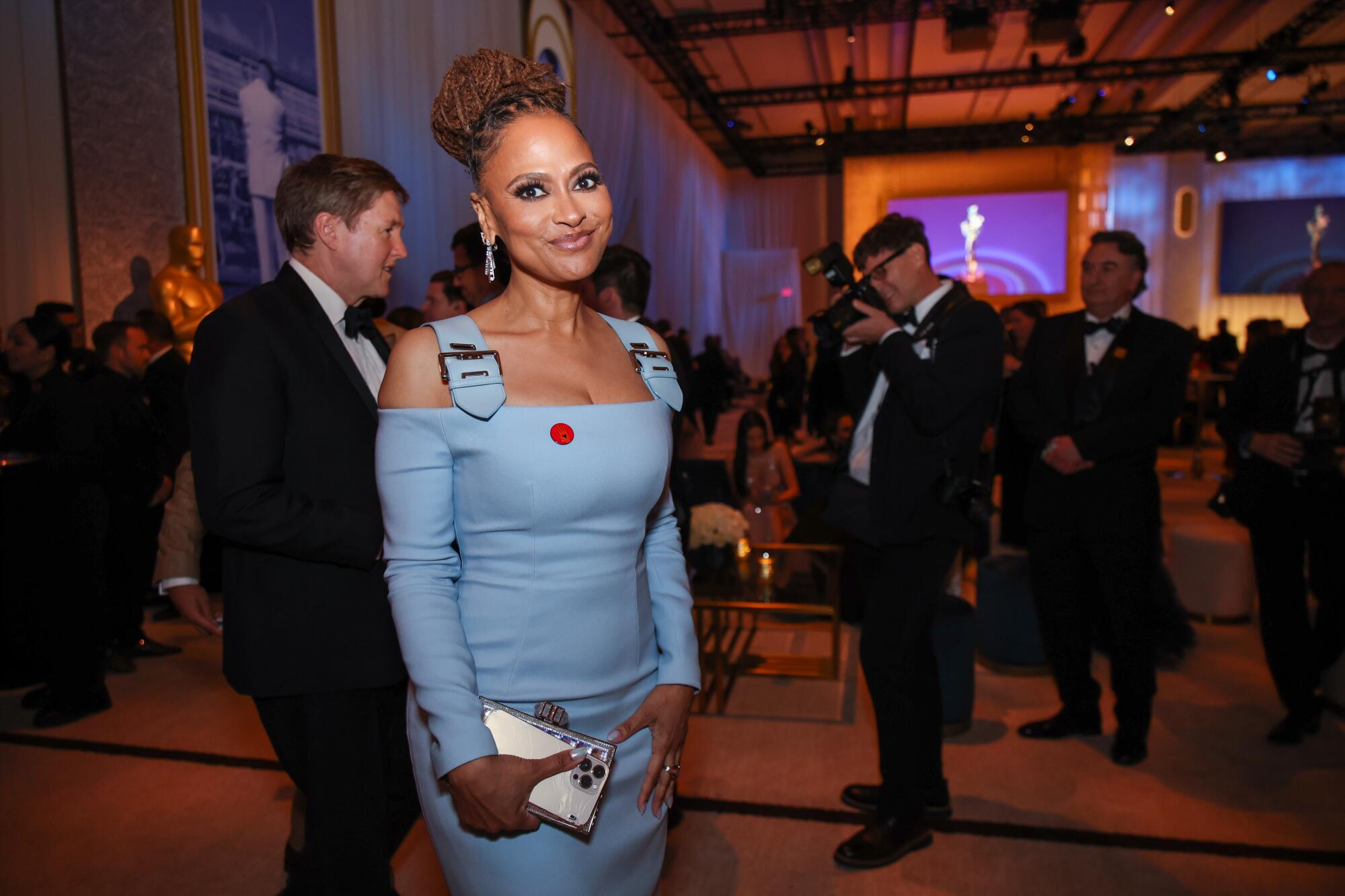
Below is the modern playbook, explained in plain language: what happens, when it happens, and the terms you keep seeing tossed around like everyone was born knowing them.
What an Oscars campaign actually is
At its core, an Oscars campaign is a studio or distributor’s effort to persuade Academy members to watch a film and then rank it highly or vote for it in specific categories. Voters are busy and flooded with options, so campaigns are built around three practical goals:
- Visibility: Make sure voters know the film exists, and what it is “about” in awards terms (the performances, the craft, the themes, the cultural relevance).
- Access: Make it easy to watch the film via screenings and sanctioned digital platforms.
- Validation: Build momentum with festival buzz, critics groups, guild nominations, and early wins that suggest “this is the serious contender.”
Important nuance: campaigns are not only aimed at the Academy. They are also aimed at guilds (like SAG-AFTRA, DGA, PGA, WGA) and major awards bodies (like the Golden Globes and BAFTA). Those nominations and wins help create a narrative that can influence Oscar voters.
One more nuance that matters: while awards bodies increasingly encourage viewing (and in some cases require attestations in certain rounds), there is no magical enforcement mechanism that guarantees every voter has watched everything. In practice, what gets seen, understood, and talked about is what tends to get votes.
The campaign toolkit
1) Festival premieres and early buzz
Many campaigns begin with a strategically chosen premiere on the fall festival circuit (think Venice, Telluride, Toronto). A strong first showing can create reviews, social chatter, and “must-see” status that lasts for months. Studios also watch the room: who is talking about the film afterward, and what parts are landing?
- Why it matters: It is the earliest way to build credibility and urgency.
- What it looks like: Press screenings, audience premieres, and early interviews with the filmmakers and cast.
2) Screenings, Q&As, and events
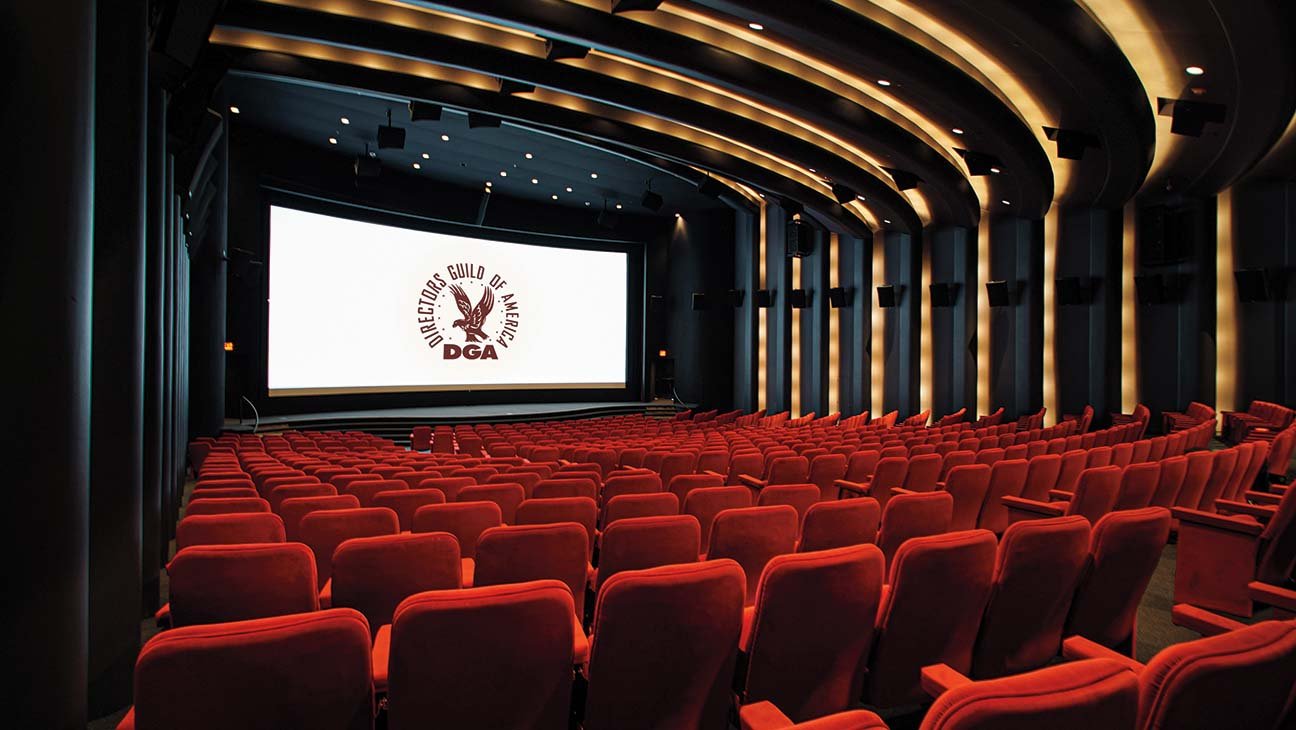
Screenings are the backbone of campaigning because voters are far more likely to support what they have actually watched and can still picture clearly. Studios host in-person screenings in Los Angeles, New York, London, and other hubs, often followed by Q&As with cast, directors, or key craftspeople.
- Why it matters: A good Q&A can reframe a performance, spotlight a difficult production, or make a subtle craft choice feel essential.
- Who attends: Voters, guild members, and industry peers, depending on the event and rules.

3) Guild screenings and branch outreach
Guilds are powerful because their nominations often predict Oscar nominations, and their members overlap with the Academy. A studio may hold events tailored to specific branches: cinematographers, editors, sound, costume designers, and so on.
- Why it matters: Craft categories can be highly technical. Targeted outreach helps voters understand the work.
- What it looks like: Branch-specific Q&As, craft featurettes, and moderated conversations.
4) For Your Consideration ads and trade coverage
Those full-page ads in industry publications are the most visible symbol of campaigning. They are essentially reminders: the film, the talent, and the categories the studio wants voters to think about.
- Where they appear: Trade outlets and awards-season platforms.
- What they do: Keep a title present in voters’ minds during the busiest months.
5) Press, profiles, and interviews
Campaigns rely on storytelling. Not gossip, but context: why the film was made, what the performance demanded, how the score was built, what obstacles the production faced. Profiles and long-lead interviews often drop at moments when voting is nearing.
- Why it matters: Voters are human. A compelling narrative helps them remember the work and care about it.
- The tightrope: It must feel authentic. Overexposure can backfire.
6) Digital screeners and member platforms
“Screeners” used to mean DVDs in fancy packaging. Now, studios frequently rely on official digital screening platforms used by guilds and awards bodies, along with approved online access for voters.
- Why it matters: Convenience increases the odds that the film gets watched.
- What’s changed: Security is tighter, and guidelines are more detailed about how access is provided.
7) The soft power of momentum
Once a film starts winning critics prizes or landing key precursor nominations, the campaign shifts into confirmation mode. The message becomes: “This is the film your peers are already recognizing.” That momentum can be self-reinforcing, especially in crowded years.
And because Best Picture uses a preferential (ranked-choice) ballot, campaigns often chase broad, second-and-third-place-friendly appeal, not just intense love from a smaller pocket of voters. In plain terms: being widely liked can matter as much as being someone’s number one.
Month-by-month calendar
Awards season is not one event. It is a relay race that starts in late summer and ends months after the new year. Exact dates shift each year, but the rhythm stays consistent.
August to September: the launchpad
- Studios finalize release strategies for contenders: festival premieres vs. later debuts.
- Early screenings begin for press and industry.
- Initial buzz forms around a short list of “serious” titles.
September: fall festivals light the fuse
- Major festival premieres create reviews, headlines, and word-of-mouth.
- Distributors sometimes acquire breakout films and quickly build campaigns.
- Talent begins carefully curated press runs.
October: positioning and first big pushes
- More guild-facing events start appearing on calendars.
- Campaign teams start mapping which categories are realistic.
- Trade publications ramp up contender coverage.
November: screenings season goes full throttle
- In-person screenings and Q&As multiply, especially in Los Angeles and New York.
- FYC advertising becomes more frequent.
- Studios try to ensure voters have access before the year-end crush.
December: peak visibility
- Critics groups announce wins that can create sudden momentum.
- Shortlists and early precursors begin shaping the storyline as ballots approach.
- Studios push late-breaking contenders with extra screenings and press, especially for voters trying to catch up.
Early January: precursor nominations
- Major guild nominations and key precursor nods often dominate the news cycle.
- Campaigns focus on reminding voters of category strengths and recent wins.
- Schedules intensify for talent, especially for Q&As and industry events.
Mid-January: nomination voting window
- The Academy’s nomination voting period typically lands in early to mid January (dates vary by year).
- Campaign messages become sharper and more targeted.
- Last-minute screenings and Q&As aim to catch voters who are behind.
Nomination morning: the reset
- Once nominations are announced, campaigns pivot immediately.
- Studios reallocate resources toward nominated categories and winnable races.
- Fresh ad buys and new rounds of events are tailored to final voting.
How voters are reached
There is a popular myth that studios can simply “buy” nominations. In reality, the Academy and guilds have detailed rules about campaigning, gifts, and communications. Campaigns focus on permitted outreach that encourages viewing and conversation.
One concrete example: hospitality and gifting are tightly limited, and events must follow specific guidelines about what can be offered and how invitations are handled. Another: organizations often restrict direct communications that feel like pressure tactics. And another: screenings are typically regulated in terms of who is invited, how access is provided, and what can accompany it.
Common, permitted outreach
- Inviting members to official screenings and Q&As
- Sending FYC mailers and digital emails within guidelines
- Running FYC ads in approved outlets
- Providing access to the film through sanctioned screening methods
Commonly restricted or prohibited behavior
- Lavish gifts or perks tied to votes
- Misleading communications about competitors
- Improperly targeted harassment or pressure campaigns
- Any activity that violates the specific rules of the Academy or guild body involved
Because rules can change year to year (and differ across organizations), serious campaigns have awards consultants and legal teams monitoring what is allowed, especially around events, hospitality, and communications.
Why some films campaign harder
Not every movie gets the same push. Campaigning is expensive, time-consuming, and dependent on schedules. A studio may go all-in when:
- The film has clear “above-the-line” strengths (picture, director, acting, screenplay).
- It has strong craft credentials and can rack up multiple technical nominations.
- There is a breakout performance that voters are already talking about.
- The distributor believes a win could boost box office, streaming sign-ups, or prestige.
Smaller distributors can be incredibly strategic, focusing on a few key categories and building a narrative around discovery: “If you only watch one film this season, make it this.” Streamers and studios may have bigger megaphones, but the basic math is the same: attention is finite, and timing is everything.
Glossary
For Your Consideration (FYC)
Advertising and outreach that reminds voters to consider a film or individual for nomination. Often seen as trade ads, emails, and event invites.
Campaign spend
The total money used to promote a film for awards. It can include event costs, venue rentals, staffing, consultants, ads, screeners, travel, and publicity.
Screeners
Copies or access links provided to voters so they can watch eligible films at home or via official platforms. These are regulated and increasingly secure.
Guilds
Professional organizations representing crafts and roles in the industry, like actors, directors, producers, writers, cinematographers, editors, and others. Their awards are major precursors.
Precursors
Major awards that happen before the Oscars and can influence momentum, including guild awards and other high-profile ceremonies.
Category placement
How a campaign positions work within categories, such as lead vs. supporting. Studios can signal intent through “For Your Consideration” messaging, but final eligibility and placement follow each organization’s rules and, in some cases, member voting.
Category fraud
A controversial term fans and pundits use when they believe a performance is campaigned in the “wrong” category to improve winning odds, like a role that feels lead being pushed as supporting. It is not an official Academy designation, but it is a real awards-season debate.
Vote splitting
When two or more similar contenders from the same film or the same studio divide support, making it harder for any one to win or get nominated.
Momentum
The perception that a contender is rising, usually fueled by nominations, wins, and sustained conversation. Momentum can influence undecided voters.
The room
Industry shorthand for the collective taste and reaction of voters, peers, and tastemakers. If “the room” loves something, campaigns try to amplify that response.
The bottom line
Oscars campaigning is the art of making sure great work is seen, understood, and remembered at exactly the right time, while staying within detailed guidelines. The best campaigns do not just shout. They guide voters through a film’s story and craft in a way that feels genuine and lasting.
If you ever wonder why one movie seems to dominate every Q&A and trade cover for months, now you know: awards season is a schedule, and the studios that master it are the ones that show up early, show up consistently, and keep it classy while doing it.