
Celebrity news moves fast. One blurry photo turns into a trending “source says” post, then suddenly it is on your aunt’s Facebook with a caption like, “I KNEW IT.” But when a headline crosses from spicy to straight-up false, the consequences can leave the group chat and land in a courtroom.
Defamation lawsuits are basically the legal system’s way of asking: Did someone publish a false statement presented as fact about a person that damaged their reputation? And in the celebrity world, the rules get extra tricky because public figures often have to clear a higher bar than most people.
Let’s break down what defamation actually is, why stars face a tougher standard, what recent cases teach us, and what fans should keep in mind before sharing unverified claims.
What counts as defamation?
Defamation is a false statement of fact that harms someone’s reputation. In the U.S., it generally splits into two categories:
- Libel: written defamation (articles, blog posts, captions, tweets, YouTube titles, podcast descriptions).
- Slander: spoken defamation (a live stream rant, an interview, a podcast segment).
While details vary by state, many defamation claims revolve around the same core building blocks:
- A statement was made and published to someone other than the subject.
- It was “of and concerning” the plaintiff, meaning reasonable people would understand it was about that person (even if you never tag them).
- The statement was presented as fact, not clearly as opinion or rhetorical exaggeration.
- The statement was false (or not substantially true).
- It caused reputational harm in a real-world way (for example, lost work, measurable professional fallout, or other provable damage). Some categories of statements can trigger presumed damages in some places, but rules vary.
- The speaker acted with the required level of fault (often negligence for many private people, and typically a higher standard for public figures).
Fact vs. opinion
One of the biggest misunderstandings online is that “it’s my opinion” is a magic shield. It is not. The real question is whether a reasonable reader would take it as verifiable fact.
- Riskier: “Actor X faked their charity receipts.” (This implies a provable act of fraud.)
- Usually safer: “Actor X’s apology feels performative to me.” (That is a subjective reaction.)
Also, opinion can still be actionable if it implies undisclosed defamatory facts, like “I have receipts that Actor X committed a crime” without actually showing anything verifiable.
Context matters too. A gossip-style “allegedly” does not automatically protect a post if the overall message still signals “this definitely happened.”
Why celebrities have a harder time
Here is the part that frustrates a lot of fans: the law often makes it harder for famous people to win defamation cases. That is by design, and it comes from First Amendment protections for speech, especially about public life and public controversies.
Actual malice
Most celebrities are considered public figures. In many cases, they must prove the defendant acted with actual malice, meaning the publisher:
- knew the statement was false, or
- recklessly disregarded whether it was true or false.
Important: “actual malice” is not about being mean or petty. It is about the publisher’s state of mind regarding truth.
Public figure is not one-size-fits-all
Courts often divide public figures into categories:
- All-purpose public figures: household names with broad fame.
- Limited-purpose public figures: someone well-known within a specific controversy or arena.
That distinction matters because it can affect what a plaintiff must prove and what the statement must relate to. For limited-purpose public figures, the “actual malice” standard often applies to statements connected to that public controversy, and fights over that scope can become a whole case within the case.
What outcomes look like
Defamation lawsuits are not just about clearing your name. They can also be about money and, sometimes, forcing a correction. Potential outcomes include:
- Compensatory damages: money tied to actual harm, like lost contracts or reputational damage.
- Presumed damages: available in some situations where harm is assumed (varies by jurisdiction and claim type).
- Punitive damages: extra damages meant to punish extreme behavior, depending on state law and proof.
- Corrections or retractions: some disputes resolve when an outlet updates a story or publishes a clarification.
- Settlement: many cases settle quietly with terms that may include payment and a statement.
Worth noting: U.S. courts are often cautious about ordering someone to “take it back,” especially before a case is decided. Some jurisdictions allow limited injunctive relief after liability is established, but it is highly fact-dependent and varies a lot by state.
Big cases and lessons
Every case has unique facts, but a few recent, headline-grabbing disputes show how these lawsuits play out when fame, media, and the internet collide.
Depp vs. Heard (US and UK)
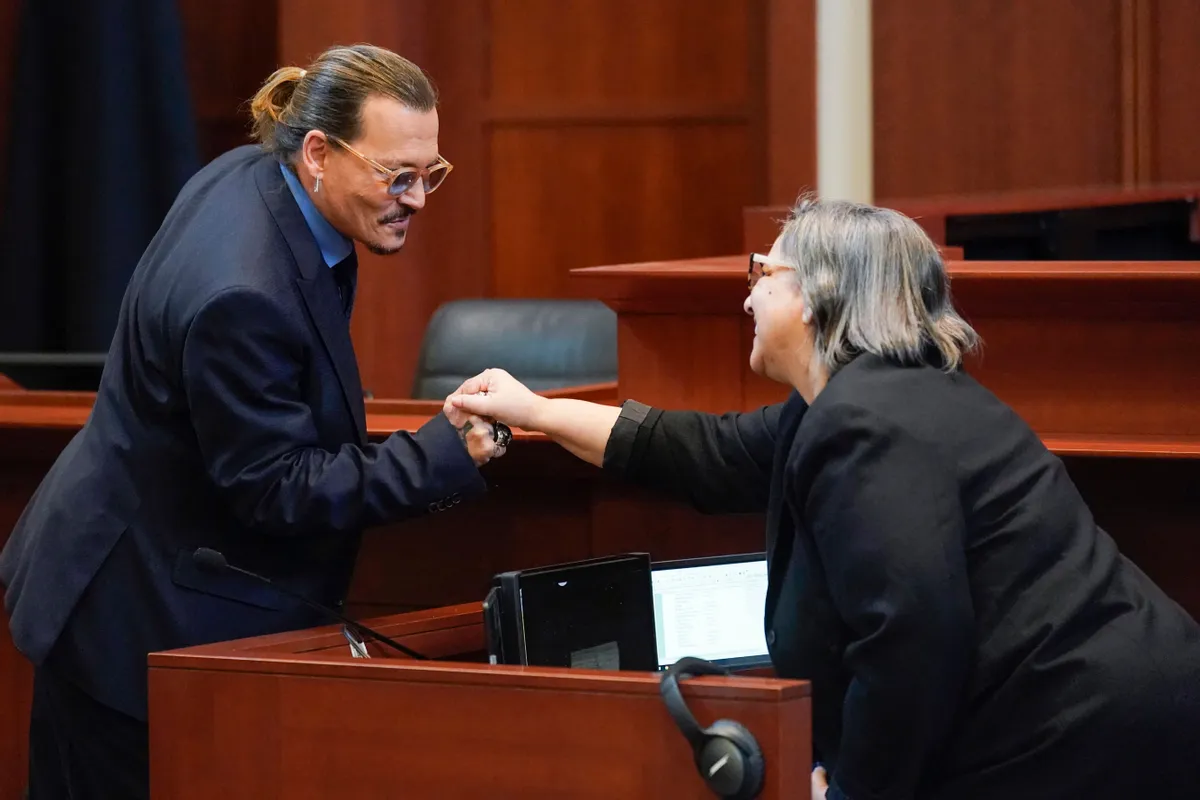
These cases made “defamation” a household word again. They also highlighted how different legal systems can produce different outcomes. In the U.S. trial, a Virginia jury found that specific statements were defamatory and awarded damages. In the UK litigation (Depp v. News Group Newspapers involving The Sun), the court reached a different conclusion under UK defamation standards and the evidence presented.
Takeaway: defamation law is highly jurisdiction-dependent, and the same public narrative can look very different in court.
Cardi B vs. Tasha K
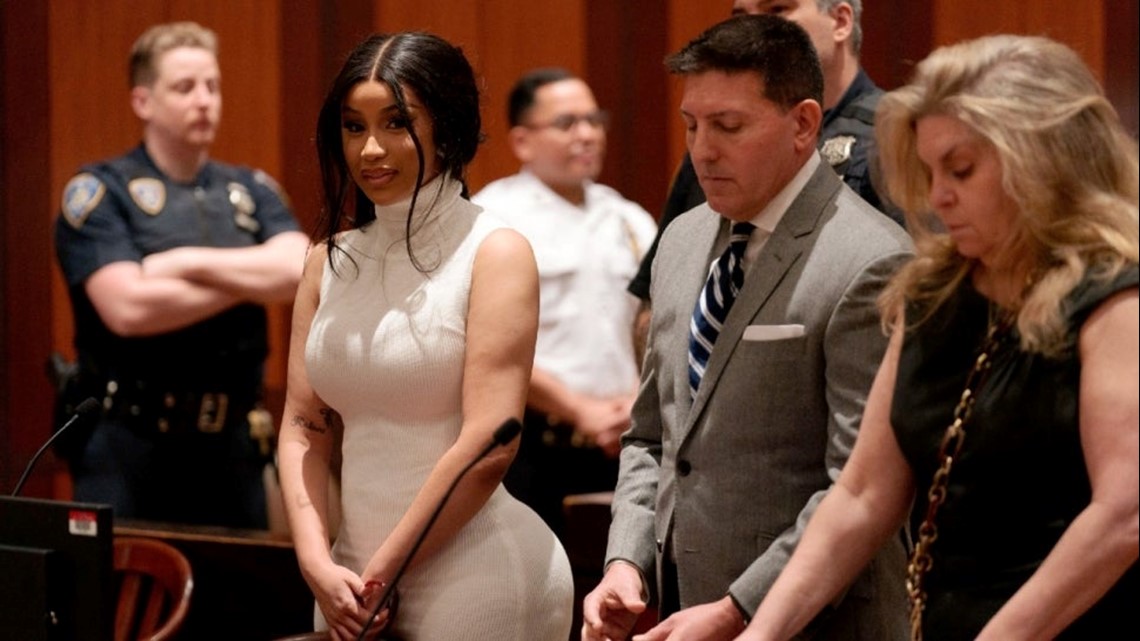
This case became a major reference point for influencer-era defamation. A jury awarded Cardi B significant damages after false claims spread through online video content. Beyond the money, it underscored that “YouTube journalism” is still subject to the same basic defamation principles as traditional media.
Takeaway: being an independent creator does not equal being legally untouchable.
Dominion vs. Fox
Not a celebrity case, but it matters because it shows how defamation law can apply to widely broadcast allegations and the real-world consequences of repeating claims without solid support. The case settled and pushed mainstream conversations about what “reckless disregard for the truth” can look like in practice.
Takeaway: repetition does not equal verification, even when a claim is “newsworthy.”
How tabloids get sued
Plenty of celebrity coverage is legally safer, even when it is messy, because it stays in the lane of opinion, parody, or clearly sourced reporting. Where outlets and creators get into trouble is usually one of these patterns:
- Overstating anonymous tips as confirmed facts.
- Ignoring obvious red flags (like a “source” with a grudge or a forged document).
- Misidentifying people in photos or videos, especially at crowded events.
- Editing clips out of context to imply misconduct.
- Copy-pasting rumors from other accounts and treating them like reporting.
- Republishing a claim (quote-tweeting, posting a recap, making a “breakdown” video) without checking whether it is true.
And yes, “Everyone is saying it” is basically the legal version of “My friend’s cousin saw it,” which is to say, not great.
Defenses and shields
Defamation is not “anything that hurts feelings.” There are real defenses and legal protections that show up a lot in celebrity disputes:
- Truth (or substantial truth): If the gist of a statement is true, that is often a complete defense, even if some small details are off.
- Fair report privilege: In many places, reporting on official proceedings (like court filings, arrests, or government reports) can be protected if it is fair and accurate. (Translation: “Filed a lawsuit” is reportable. “Therefore the person definitely did it” is where people get messy.)
- Anti-SLAPP laws: In many states (California is the famous one), defendants can use anti-SLAPP statutes to try to get speech-related cases tossed early and, in some situations, recover attorney’s fees. This can be a huge practical factor in whether a case gets filed or settles.
Glossary
Actual malice
A legal standard for many public figures. It means the publisher knew a statement was false or acted with reckless disregard for whether it was true.
Burden of proof
Who must prove what in court. In defamation, the plaintiff generally has to prove the key elements of the claim.
Damages
Money awarded to compensate for harm. Can include economic losses and reputational harm, and sometimes punitive damages.
Defamation per se
In some jurisdictions, certain categories of false statements are considered so harmful that damages may be presumed, such as claims about serious misconduct. Rules vary a lot by state.
Discovery
The evidence-gathering phase of a lawsuit. This is where texts, emails, DMs, draft documents, and internal editorial notes can become relevant.
Libel
Defamation in written or published form, including online posts and headlines.
Negligence
A lower fault standard often applied to private individuals. It can mean the publisher failed to act with reasonable care in checking the truth. The exact standard can vary based on state law and whether the speech involves a matter of public concern.
Public figure
Someone with widespread fame or who steps into a public controversy. Public figures often must prove actual malice for statements connected to that fame or controversy.
Retraction
A formal pulling back of a statement, often paired with a correction or clarification. In some places, retraction rules can affect potential damages.
Single publication rule
A doctrine in many jurisdictions that treats a mass publication as one “publication” for statute-of-limitations purposes, even if many copies are distributed. Online republication issues can get complicated.
Statute of limitations
The deadline to file a lawsuit. For defamation, it is often short and varies by state (commonly one to a few years).
Before you share
I love a headline that makes us gasp, but let’s be real: fandom can accidentally become a rumor delivery system. And while most fans will never face a lawsuit, there are still real consequences for spreading false claims, including harassment spirals, doxxing attempts, and reputational damage that sticks even after a story is debunked.
Quick checklist
- Check the sourcing. Is it one anonymous account, or a credible outlet with on-the-record reporting?
- Find the original context. A 7-second clip can be wildly misleading.
- Separate allegations from proof. “Filed a lawsuit” is not the same as “won the lawsuit.”
- Be careful with crime and health claims. Accusing someone of abuse, fraud, addiction, or a diagnosis is high-impact, even if you add “allegedly.”
- Think about republishing. In many situations, repeating a defamatory claim can create liability too, even if you are “just sharing.”
- Do not play detective with private people. Friends, assistants, exes, and random bystanders can get swept into viral misinformation.
Can regular people get sued for posting?
Potentially, yes. If you publish a false statement of fact that harms someone, defamation law generally does not turn on verification status or follower count. In practice, big cases tend to focus on outlets and creators with reach, money, and clear damages. But the safest move is still to share responsibly, especially when a claim could ruin someone’s life.
Also, a quick internet-law reality check: Section 230 often protects platforms for what users post, but it does not necessarily protect the person who created or republished the defamatory statement.
Why this matters
Defamation law sits right at the tension point between two big truths:
- Free speech matters, especially when reporting on powerful or influential people.
- Truth matters, and reputations are not disposable just because someone is famous.
The best celebrity journalism, in my opinion, holds room for nuance: it asks tough questions, verifies claims, and remembers there are real humans living on the other side of the headline.
One last note
This article is for general information, not legal advice. If you are dealing with a real dispute, consult a qualified attorney in your jurisdiction.