
Every winter, the phrase “screener season” starts popping up like clockwork, right alongside red carpet predictions and that one group chat friend who suddenly has “thoughts” on every Best Picture hopeful. Screeners are a huge reason awards chatter explodes so fast, because they quietly put buzzy movies into the hands of the people who actually vote.
But screeners are not random freebies for anyone with Wi-Fi and opinions. They are a controlled pipeline with rules, eligibility windows, tracking tech, and yes, consequences when something leaks.
What is a screener?
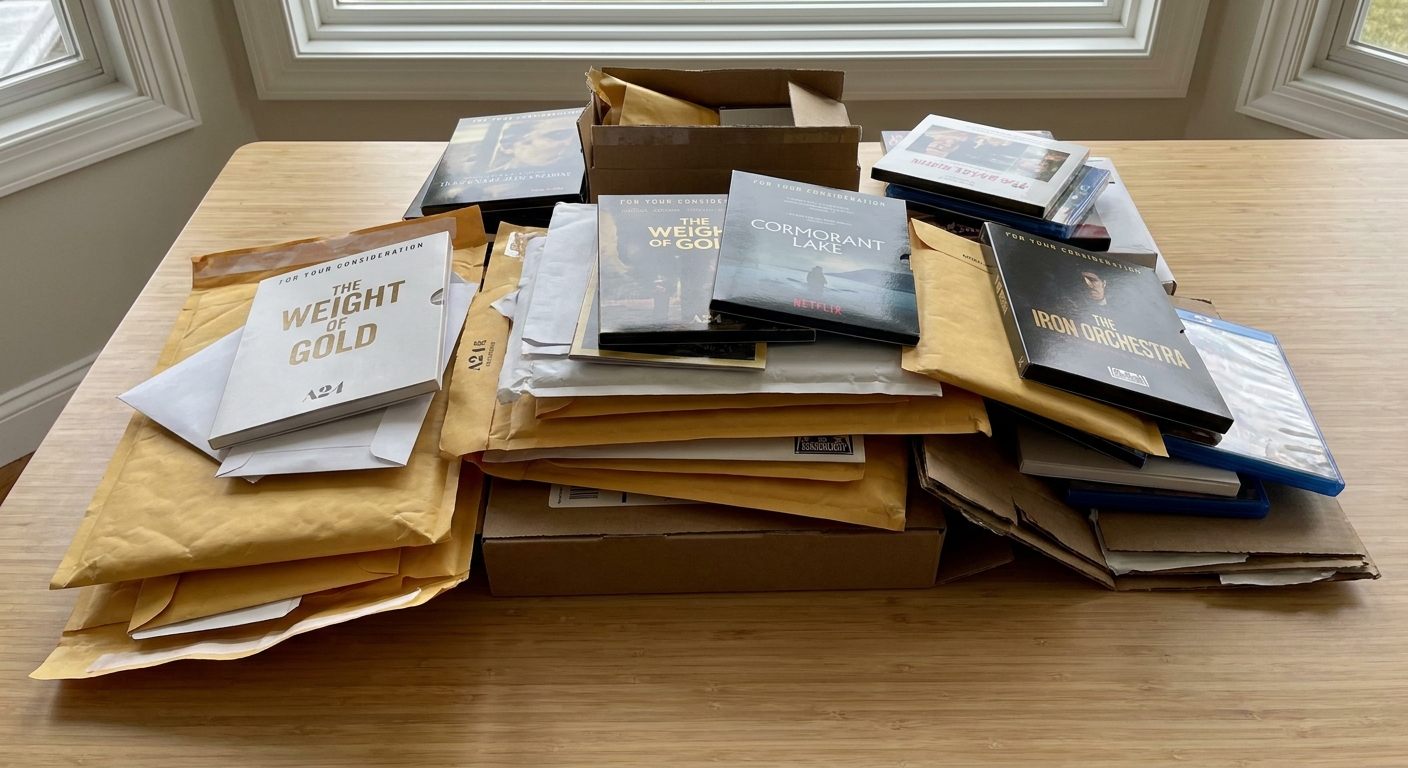
A screener is an advance viewing copy of a film or TV title distributed for awards consideration. The goal is simple: make sure eligible voters can watch the work before they fill out ballots.
These days, screeners usually show up in a few common forms:
- Secure streaming links through approved platforms or studio portals, often with device restrictions.
- Physical discs (still a thing for some voters and some organizations), often watermarked and sometimes paired with copy protection.
- In-person screenings in Los Angeles, New York, and other major hubs, often followed by Q&As with talent.
Despite what social media jokes suggest, screeners are not supposed to be passed around like party favors. They are distributed under specific terms to members of voting bodies.
Who gets screeners?
Screeners are generally sent to members of awards organizations and guilds who are eligible to vote that season, plus select participants involved in the process.
Common recipients
- Academy of Motion Picture Arts and Sciences voting members
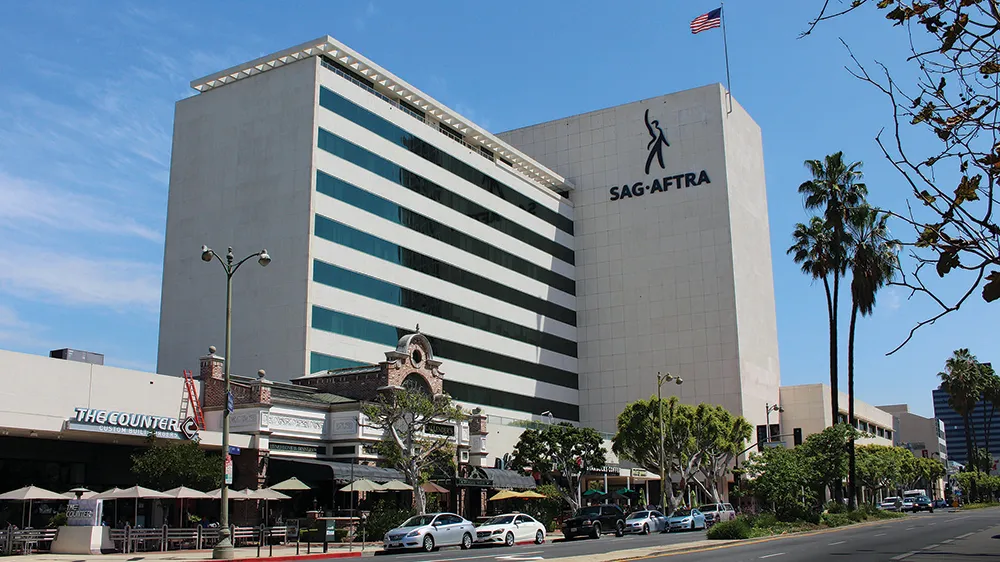
- Guild members such as SAG-AFTRA, DGA, PGA, WGA, and others, depending on the awards body and campaign
- Golden Globes voters under the current voting structure
- Craft branch voters who may receive targeted outreach for categories like sound, editing, costume design, or visual effects
Studios and distributors do not usually blanket-send screeners to the public. That said, the ecosystem around awards includes plenty of legitimate “for your consideration” events, tastemaker screenings, and press viewings that can build early momentum.
Screeners vs press and festival copies
A quick clarification, because these get lumped together online. Awards screeners are meant for voting members and are governed by that organization’s rules. Press screeners are typically provided to critics and outlets under embargo agreements, usually closer to release. Festival screeners or industry portal links are often used to program festivals, markets, and sales screenings, with their own access controls.
Different audience, different rules, different level of lockdown.
The screener pipeline
Think of screeners like a carefully timed relay race. A campaign team is juggling guidelines from multiple organizations, plus a calendar that keeps tightening as nominations approach.
1) Eligibility and timing
Each awards body sets its own eligibility rules and timelines, but the core idea is consistent: a title must meet release and qualification requirements, and voters must have reasonable access before voting deadlines.
For films, eligibility often relates to release dates, qualifying theatrical runs, and required submissions. For TV, it can involve season windows and episode availability. Studios plan screener drops around these timelines, because sending too early can waste money and buzz, and sending too late can cost votes.
2) Delivery: mailers vs streaming
In the pre-streaming era, physical discs were the default. Now, secure digital screeners are the norm for many voters because they are faster, cheaper, and easier to control. But physical mailers still appear, especially for voters who prefer them or for campaigns that want to stand out in a crowded season.
3) Authentication and access controls
Secure platforms typically use layers of protection, such as:
- Unique logins tied to a member account
- Device limits (for example, only approved devices or a set number of devices)
- Playback restrictions that may limit screen capture or outputs on some devices
- Time-limited windows so access expires after a voting period
This is why some voters still grumble about password fatigue. The friction is intentional, because convenience can be a piracy magnet.
Some platforms also track viewing activity or require simple attestations (like checkmarks) during voting phases, depending on the organization and category. The details vary, but the direction is the same: prove access, encourage compliance.
Rules that shape strategy
Here is the part most fans never see: screeners are not just about access, they are about which voters need to see what and when.
Branch and phase voting
For the Oscars, nomination voting and final voting operate differently across categories. Some branches nominate in their own disciplines, while Best Picture involves the full voting membership. Campaigns will often tailor outreach accordingly, making sure craft-heavy films reach the right branch members early, and broader crowd-pleasers get wide exposure before final ballots.
Compliance and guardrails
Awards bodies also have rules about how campaigns can promote and distribute content. Studios must follow guidelines covering things like:
- How screeners can be delivered
- What kind of messaging can accompany them
- Event and screening disclosures
- Limits on gifts and perks
Campaigns are still campaigns. But there are guardrails designed to keep the focus on the work, not who throws the flashiest party.

Why everything is watermarked
If you have ever heard someone whisper “it’s traceable,” they were not being dramatic. Screeners are often embedded with identifiers designed to connect a leaked copy back to the original recipient.
Visible watermarking
This is the obvious kind: a viewer’s name, email, membership ID, or a “For Your Consideration” tag appearing on screen. Sometimes it is constant, sometimes it pops up periodically. It is annoying, but it is a deterrent.
Forensic watermarking
This is the stealth version. A file can include imperceptible markers woven into the video or audio that can survive re-encoding. Even if someone crops a frame or blurs text, forensic tracking can still help identify the source account or distribution batch.
Anti-piracy monitoring
Studios also work with anti-piracy vendors that monitor known torrent sites, cyberlockers, and social platforms for illegal uploads. When a match is found, takedown notices move quickly, and internal investigations often start even faster.
Why leaks spread anyway
Because award season is the perfect storm: high demand, limited access, and a tight timeline when curiosity is at its peak.
Top reasons leaks happen
- Access creep: A screener meant for one voter gets watched by family, friends, assistants, or guests. The more hands involved, the higher the risk.
- Account compromise: Weak passwords, reused passwords, phishing, or unsecured devices can lead to unauthorized access.
- Physical discs can be ripped: If a disc is out in the wild, it can be duplicated, even with protections.
- “I’m just sharing” mentality: Some people do not view screeners as high-stakes piracy because they feel like industry promos, not retail products.
- Prestige pressure: There is a certain bragging-rights energy around having the “early” copy of the buzzy title everyone is chasing.
And yes, sometimes a leak is intentional, but that is rarer than the internet assumes. Generally, studios have little to gain from uncontrolled, low-quality piracy that can sabotage theatrical runs, international rollouts, or a carefully planned campaign narrative.
What happens after a leak?
There is no single outcome, but there is usually a predictable chain reaction.
1) Takedowns and tracing
Anti-piracy teams race to remove the file from major sources. Meanwhile, forensic teams look for watermark signatures and distribution clues that indicate the original account or disc batch.
2) Investigations and sanctions
If a leak is traced to a voter, consequences may include revoked access, membership discipline, or referral to the relevant organization’s enforcement process, depending on the rules in play. Studios can also cut off future screeners to specific addresses or accounts.
3) Campaign disruption
A leak can change the conversation overnight. Instead of “Have you seen it?” the chatter becomes “Did you see the leaked version?” That can muddy the viewing experience, especially if the copy is unfinished, low-quality, or missing final sound and color work.
4) Real-world harm
This is the part that gets lost in the memes. A leak can impact box office, international distribution, and the livelihoods of the crews behind the scenes. Thousands of people work on these films, and awards buzz is often tied to future jobs.

Why screeners shape the conversation
Screeners are basically the ignition switch for awards season discourse. Once voters can watch at home, titles stop being abstract “festival darlings” and become something people can actually discuss scene by scene.
That access shifts the conversation in a few key ways:
- Momentum becomes measurable: You suddenly hear the same performances praised repeatedly because more voters have actually seen them.
- Late contenders can surge: A perfectly timed screener drop can put a film top-of-mind right before ballots are due.
- Consensus forms faster: When thousands of voters get access in the same window, groupthink can happen, for better or worse.
For fans, this is why the internet starts sounding like it is reading from the same script around December and January. Screeners create shared viewing moments, just in the least glamorous way possible: sweatpants, couch, and a password reset email.
What fans should know
If you are seeing “link?” comments all over social media, here is the grounded, non-judgy reality check.
You probably cannot get screeners legally
Most screeners are restricted to voting members and controlled platforms. If someone is offering a file publicly, it is almost certainly unauthorized.
Leaks can ruin the experience
Many leaked copies are not the ideal viewing experience. They can be missing final touches, have distracting watermarks, or be cropped and compressed until the cinematography looks rough and muddy.
Better ways to catch up
If you want to be part of the conversation without dipping into sketchy links:
- Check official release dates and platforms, especially for limited theatrical runs
- Look for legitimate awards-season screenings in your city
- Use studio and distributor newsletters for updates on wider releases
- Support indie theaters that program contenders during awards season
And if you are wondering why your favorite film is everywhere on your timeline before you can buy a ticket, screeners are usually the reason.
The bottom line
Award season screeners are equal parts access and accountability: they exist so voters can watch, compare, and vote fairly, but they are also heavily monitored because leaks are real, costly, and surprisingly easy to trigger through everyday carelessness.
So the next time “screener season” trends, you will know what is actually happening behind the velvet rope: secure links, watermarks, tight deadlines, and a whole lot of people trying to watch great movies before the internet ruins the ending.