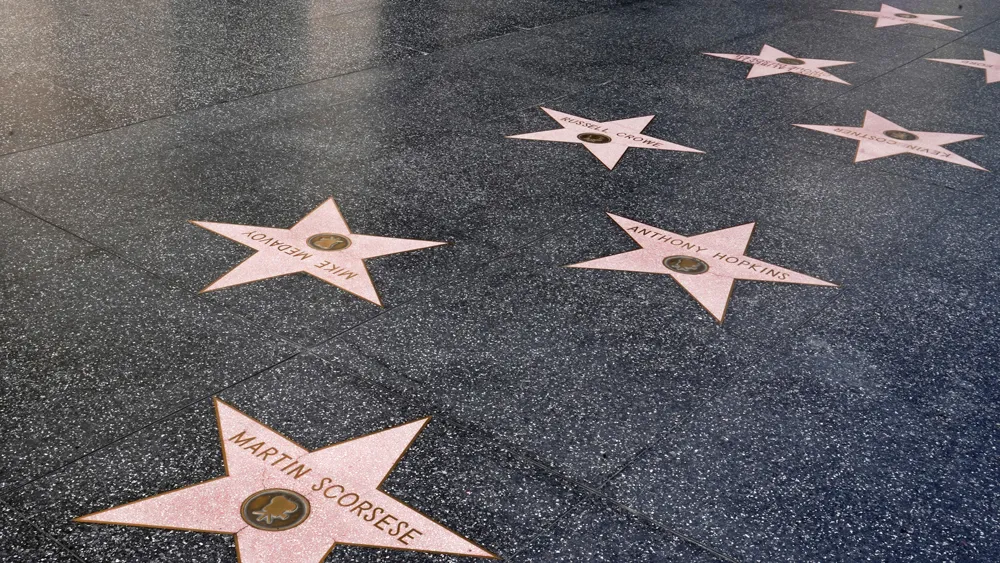
If you have ever stood on Hollywood Boulevard staring at a pink terrazzo star and thought, “Okay, but how did they get this?”, you are not alone. The Hollywood Walk of Fame is part honor, part tourism magnet, and part very organized process that has more rules than most people realize.
Here is the warm, reality-based breakdown: how nominations work, what it costs, who actually pays, and why some of the biggest names in entertainment still do not have a star.

What it is
The Hollywood Walk of Fame is a landmark sidewalk in Hollywood featuring more than 2,700 stars honoring achievements in entertainment, and it keeps growing over time. It is administered by the Hollywood Chamber of Commerce, which oversees the nomination process and the ceremonies.
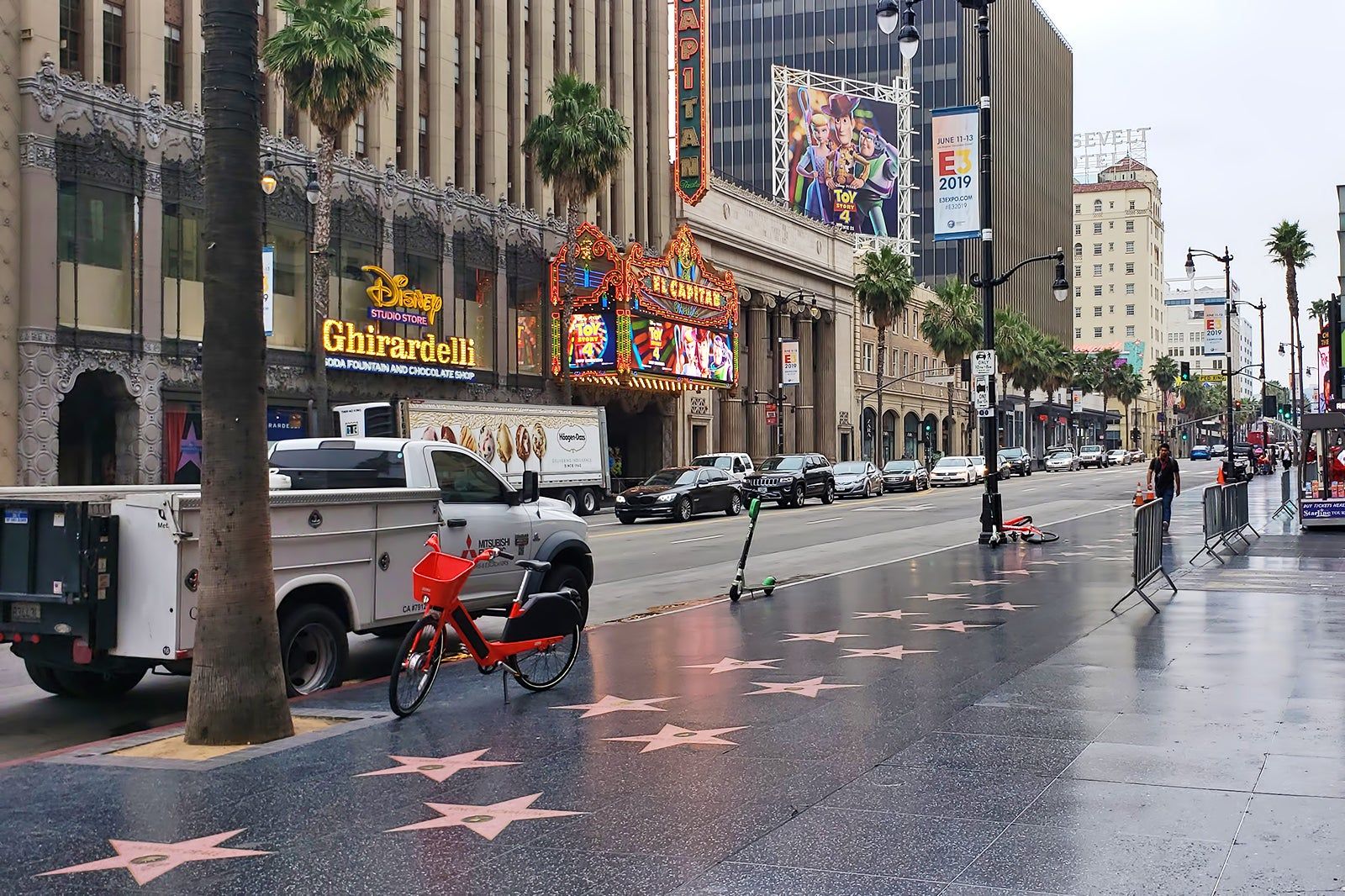
One of the biggest misconceptions is that it is “a city award.” It is not exactly like a civic medal that the City of Los Angeles hands out. The Chamber runs the program, and the stars are installed in public sidewalks, which is why the process includes planning, permits, and long-term maintenance.
Who is eligible?
Eligibility is more “industry recognition plus professional longevity” than “most famous person on TikTok this week.” The Walk of Fame recognizes six categories:
- Motion Pictures
- Television
- Recording
- Radio
- Live Theatre and Live Performance
- Sports Entertainment (formally recognized as its own category in 2021)
In general, the selection committee looks for a proven career and impact in one of these lanes. A commonly cited guideline is roughly five years of achievement in the field, though the committee ultimately weighs the full body of work.
Also important: the person (or their team) must agree to participate. The Walk of Fame is a public ceremony , not a quiet plaque you accept by email.
Who can nominate?
Almost anyone can submit a nomination, as long as they can complete the application and show that the nominee or their representatives support it. Nominators are often:
- Studios, labels, networks, or production companies
- Publicists, agents, managers, or event teams
- Fan clubs or individual fans who are organized and persistent
- Brands or partners tied to a project or campaign
The key detail that trips people up: the nominee has to consent (directly or through representation). This is not meant to be gatekeepy. It is practical. A star is not just an honor, it is an event that requires scheduling, press, and an in-person appearance.
Timeline
1) Nomination is submitted
A nominator completes the application during the annual submission window (timing can vary year to year). The application typically includes career highlights, category, and supporting materials.
2) Committee review and selection
A selection committee associated with the Chamber reviews the submissions and chooses a class of honorees. Not everyone gets picked, and selection can be competitive even for beloved, very famous names.
3) The honoree is notified and must accept
Once selected, the honoree has to say yes. This is where some stars quietly drop out, especially if they cannot commit to the ceremony requirement or if the timing does not work.
4) Sponsorship and fee plans are confirmed
The program has a significant fee (more on that below). Planning also begins: date options, location, guest speakers, press logistics, and permits.
5) Scheduling the ceremony
Typically, the ceremony must be scheduled within about two years of selection. If it is not scheduled within the allowed window, the selection can expire and may require reapplication under current rules.
6) Star fabrication and installation
The star is made and installed in the sidewalk. This is why the fee is not just about a party. It is a construction and maintenance project in a high-traffic public space.
7) Ceremony day
The honoree appears, photos are taken, speeches happen, fans line up, and Hollywood gets its feel-good moment for the week. You will often see co-stars, directors, producers, or longtime friends speak, which turns into a sweet mini career love letter.
How much does it cost?
After the selection and scheduling reality sets in, the next question is always money.
There are two main types of costs fans hear about:
- Nomination filing fee: A smaller fee paid when submitting the nomination. The exact amount can change, so check the Walk of Fame program materials for the current figure.
- Ceremony and star fee: The big one. The Chamber’s stated fee in recent years has been widely reported as $75,000 (subject to change).
In other words: there is a “submit the paperwork” cost and a “make it real on the sidewalk and host the event” cost.
What the fee covers
This is the part people side-eye, so let’s break it down in normal terms. The ceremony and star fee generally helps cover:
- Manufacturing and installing the terrazzo and brass star in a public sidewalk
- Permitting and city coordination for an event in a high-traffic area
- Security and event logistics (crowd control is not optional on Hollywood Blvd)
- Maintenance contributions to help preserve the Walk of Fame over time
- Program operations that keep the process running
It is less “buying an award” and more “funding a public, permanent installation and the infrastructure around it.” Still, yes, it is a lot of money, and it is fair for fans to wonder how it all works.
Who pays?
Usually, the honoree is not personally writing a check. The fee is often covered by a sponsor , which can be:
- A studio or network promoting a film, series, or major career moment
- A record label for an album cycle or milestone
- A brand partner tied to a campaign
- The honoree’s production company
- Sometimes the honoree themselves, depending on the situation
Think of it like a celebratory, high-profile event that also leaves a permanent landmark behind. In Hollywood, that often means the cost gets absorbed as part of publicity and promotion, especially if the timing aligns with a release.
Why some A-listers do not
This is the million-dollar question and it usually comes down to a few very human reasons, not a secret blacklist.
They do not want the ceremony
The program generally requires the honoree to attend the unveiling, with rare exceptions approved by the Chamber. Some stars hate public events, avoid crowds, or prefer not to do anything that feels like self-celebration.
The timing never works
Between filming schedules, tour dates, awards season, and family life, coordinating a major public ceremony can be surprisingly hard.
They have not been nominated (or the nomination is not strong)
Fame does not automatically equal a nomination. Sometimes teams do not prioritize it. Sometimes the nomination packet is not competitive. Sometimes it just has not happened yet.
The cost needs a sponsor
If there is no studio, label, or partner motivated to sponsor it at the right time, the process can stall even if the person is beloved.
They are waiting for a meaningful moment
Many celebrities like to tie it to something sentimental: a career anniversary, a new project, or a chance to honor someone who helped them along the way.
Quick FAQ
Is a star “bought”?
Not in the sense of paying your way into selection. There is a selection process, and not everyone is approved. But yes, once selected, there are required fees tied to making the star and staging the ceremony.
Can fans nominate someone?
Yes, fans can submit nominations. The practical hurdle is that the nominee must consent and the process requires coordination, documentation, and ultimately a sponsor for the larger fee.
Do celebrities have to show up?
Generally, yes. The Walk of Fame is built around a public unveiling and usually requires the honoree’s attendance, with rare exceptions approved by the Chamber.
Is it only for movie stars?
No. The categories include television, recording, radio, live performance, and sports entertainment, too.
Can someone get a star after they have passed away?
Posthumous stars do happen, but they come with additional rules and require a representative to work with the Chamber. There is typically a waiting period, and they are often timed to anniversaries or legacy moments. Because the exact timing requirements can be updated, it is worth checking the current Walk of Fame guidelines for the latest rule.
Why is a star located where it is?
Placement depends on availability and logistics, plus what the program can coordinate. Some locations align with a theater, studio, or meaningful venue, but there is also a practical “open spot” reality.
The takeaway
The Hollywood Walk of Fame is not just a popularity contest and it is not a simple city award. It is a structured honor managed by the Hollywood Chamber of Commerce that combines recognition, public event planning, and a permanent installation in one of the busiest tourist corridors in the country.
If your favorite A-lister does not have a star yet, it does not automatically mean they were snubbed. It often means the timing, consent, sponsorship, and scheduling puzzle has not clicked into place. And in Hollywood, sometimes the biggest flex is simply waiting until it feels right.