
Once upon a time, the release plan for a celebrity movie was basically a one-lane highway: theaters first, then a wait, then home video, then cable. That is a simplified version of a system that always had exceptions by era and territory, but the point holds. Now it is a whole freeway interchange. One star-driven film gets the full red carpet, IMAX screens, and a three-week press tour. Another quietly lands on a streaming homepage at 12:01 a.m. on a Friday. And sometimes, the same kind of movie could go either way depending on the studio’s mood, the market, and how expensive the film was to make.
So why do some celebrity films skip theaters entirely? It is rarely a single reason. It is a blend of money math (budget, marketing, and realistic forecasts), timing, awards strategy, and one very real question studios ask every day: will audiences show up, or will they just watch it later from their couch?
The three release paths
Most studio decisions fall into one of these buckets, even if the marketing spin tries to make it sound more mysterious than it is.
1) Wide theatrical rollout
This is the classic strategy: an exclusive theatrical window, national marketing, and a box office opening weekend that becomes a headline. Wide releases work best when a movie has a clear reason to leave the house, like spectacle, comedy that plays better with a crowd, or an event-style star package.
2) Day-and-date
Day-and-date means the film is available in theaters and on a streaming platform at the same time, or with a very short gap. It is often used when a studio wants the visibility of a theatrical run but expects a big chunk of the audience to choose streaming anyway. Sometimes it is paired with a qualifying theatrical release (even if it is limited) to meet awards eligibility rules, depending on the awards body.
A concrete example: in 2021, Warner Bros. put its full slate on HBO Max day-and-date with theaters, a move that reset audience expectations and made “window math” feel optional overnight.
3) Straight-to-platform
This is the click-play-now route. A movie can be acquired by a streamer, produced for a platform from day one, or redirected to streaming after test screenings, scheduling shifts, or a change in the market. When done intentionally, it can be a smart match for a specific audience. When done abruptly, it can also signal the studio is trying to minimize risk.
Why exclusivity still matters
The theatrical window is the period when the movie is only available in theaters. In recent years, windows have generally gotten shorter than they used to be, but exclusivity still has power because it creates urgency. It tells fans: if you want to be part of the moment, go now.
Studios like theatrical exclusivity for a few reasons:
- Pricing power: Tickets, premium formats (IMAX, Dolby), and concessions are still major revenue drivers.
- Event status: A theatrical opening turns a movie into a social conversation, which helps marketing travel further.
- Downstream value: A strong box office run can raise the film’s perceived value when it later hits PVOD (paid rentals and purchases) and then SVOD (subscription streaming).
But exclusivity is also a gamble. If a star-led film opens soft, that opening weekend headline can become the story, and not in the fun way.
Streaming economics
Streaming premieres are not free movies. The economics just move around. Instead of betting on a box office run, a studio or streamer is often betting on subscriber behavior, retention, and global reach.
Why streaming can look appealing
- Guaranteed money: If a streamer buys the film, it can mean a large upfront payment that reduces risk.
- Global distribution built in: A platform can drop the movie in dozens of markets at once, which is huge for internationally recognizable celebrities.
- Marketing efficiencies: Platforms can promote within their own ecosystem, using the homepage and targeted recommendations as built-in advertising.
Why some films end up streaming
If the projected box office ceiling is not high enough to justify a big marketing spend, streaming can look safer. Theatrical releases often require major P&A costs, a legacy term that still basically means advertising plus distribution delivery. Even though physical prints are no longer the main expense, the ad spend to cut through the noise is very real. A movie can be perfectly watchable and still not be a good theatrical bet if it needs, say, $40 million in marketing just to be noticed.
The talent-pay factor
There is also the behind-the-scenes incentive piece. Some stars and producers are paid with box office bonuses or back-end points, which only really sing in theaters. A streaming-first deal often means buyouts, bonuses tied to viewership metrics, or renegotiations that trade box office upside for certainty. That can change what a celebrity project aims for, and how hard everyone pushes for a traditional run.
Festivals and awards timing
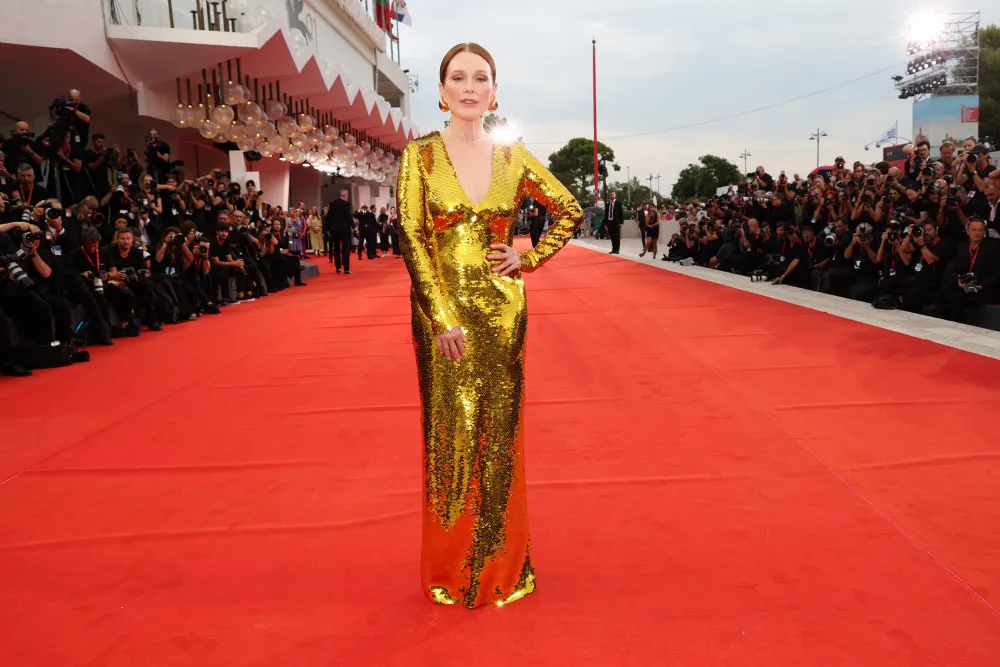
If you have ever wondered why certain celebrity films suddenly appear at Venice, Telluride, Toronto, or Sundance, it is because festivals can be a launchpad for reviews, buzz, and awards narratives. A strong festival response can turn a smaller, performance-driven movie into a must-see, and theaters have historically been central to many major awards campaigns.
That said, streaming and awards are no longer mutually exclusive. Many streamers run limited theatrical releases to qualify for awards and build credibility, then expand the audience on-platform. The key difference is intent: a film built for awards may prioritize theaters, even if it is not wide, because it signals seriousness to voters, critics, and the industry.
Example: Netflix regularly gives prestige titles limited theatrical runs ahead of a broader streaming push, a pattern that has shaped awards season for years.
What it says about star power
This is the part fans pick up on instantly, even if studios never say it out loud. Release strategy can function like an industry report card, not just on the film, but on the star’s current ability to open a movie.
What a wide rollout can signal
- Confidence in opening weekend draw: The studio believes the celebrity plus concept equals ticket sales.
- Broad audience appeal: The movie has a four-quadrant vibe, or at least a clear demo that reliably shows up.
- Franchise or brand hopes: The studio wants a big cultural moment, not just a good weekend.
What a streaming-first drop can signal
- Big at-home pull: Some celebrities drive massive viewing without needing a theatrical push.
- Niche by design: A romantic drama, offbeat comedy, or talky character piece can thrive on streaming where discovery is easier.
- Risk control: If tracking is shaky, streaming avoids a public box office disappointment.
Important nuance: straight-to-streaming is not automatically a diss. Some stars choose it because it fits their life, their audience, or their production deal. But yes, in Hollywood math, theatrical event status still carries a particular kind of clout.
Why studios skip theaters
Studios and streamers usually weigh the same checklist. Here are the most common reasons a celebrity project might bypass a traditional release.
- Budget vs realistic box office: If the film cost $60 million and does not have blockbuster packaging, the path to profitability in theaters can get tight fast.
- Marketing cost anxiety: A movie can be good and still need a massive ad spend to cut through the noise.
- Genre habits: Some genres have shifted toward home viewing, especially mid-budget dramas and certain adult-skewing comedies.
- Scheduling and competition: If a packed theatrical calendar has three mega-franchises in the same month, a studio may decide not to fight for screens.
- Exhibitor relationships: Theater chains care about windows, showtimes, and exclusivity. If a deal cannot be struck that works for both sides, streaming can become the cleaner option.
- Platform strategy: Streamers want new and exclusive titles to keep subscribers from churning, and celebrity names are magnets.
- International complexity: Theatrical distribution across many territories is expensive and complicated. A streamer can simplify global release in one move.
Day-and-date, again
Day-and-date releases often appear when a studio wants to meet multiple goals at once: some box office revenue, some theatrical legitimacy, and a fast boost to a platform’s library. For viewers, it is convenient. For theaters, it can be controversial because it reduces exclusivity and can encourage audiences to stay home.
From a celebrity perspective, it can be a mixed bag. The upside is reach. The downside is that box office numbers may look smaller than they would have in a theater-only window, and opening weekend headlines can shape public perception even when the movie is being watched widely at home.
The PR framing
As any Hollywood PR veteran will tell you, studios carefully frame release decisions. Streaming premiere can be positioned as a bold, modern choice, or as a fan-friendly move for accessibility. Theatrical exclusive can be positioned as a love letter to cinema. Sometimes those statements are heartfelt. Sometimes they are damage control.
What matters most is whether the release plan matches the movie. A smaller, intimate film can feel like a win on streaming if it finds its audience. A would-be crowd-pleaser that quietly appears on a platform can also feel like a missed opportunity, especially when the star is the kind of person you want to cheer for in a big room full of strangers.
Clues before it drops
If you are trying to predict whether a celebrity film is headed for theaters or straight to streaming, here are a few tells:
- Trailer placement: If you see it heavily in theaters months in advance, that is a sign of theatrical confidence.
- Festival announcements: A festival premiere often points to a prestige strategy, sometimes followed by a limited theatrical run.
- Date real estate: Prime summer and holiday dates are often reserved for films expected to perform theatrically, though streamers occasionally plant flags there too.
- Platform branding everywhere: If the streamer’s logo is front and center from day one, it was likely designed as a streaming title, not dumped.
The bottom line
Theatrical release versus streaming premiere is less about good movie versus bad movie and more about strategy: budgets, audience habits, marketing costs, awards ambitions, exhibitor realities, and how much a studio believes a celebrity can still turn a film into a must-see event.
And honestly, as a fan, you can hold two truths at once. It is okay to miss the glamour of a big opening weekend while also appreciating that streaming can give certain films a longer life, a bigger global audience, and a quieter kind of success that does not live or die by a single Friday night.