
Hollywood promo can look like pure chaos from the outside: a star in Tokyo on Tuesday, a late-night couch on Wednesday, then suddenly a sparkling red carpet on Friday where everyone seems to be asking the same question. The truth is, it is organized chaos. And it is organized on purpose.
Two of the biggest moments in any major release are the press junket and the red carpet premiere. They serve different goals, attract different media, and come with very different rules. Here’s what actually happens at each, why the answers sound familiar, and how a typical campaign unfolds week by week.
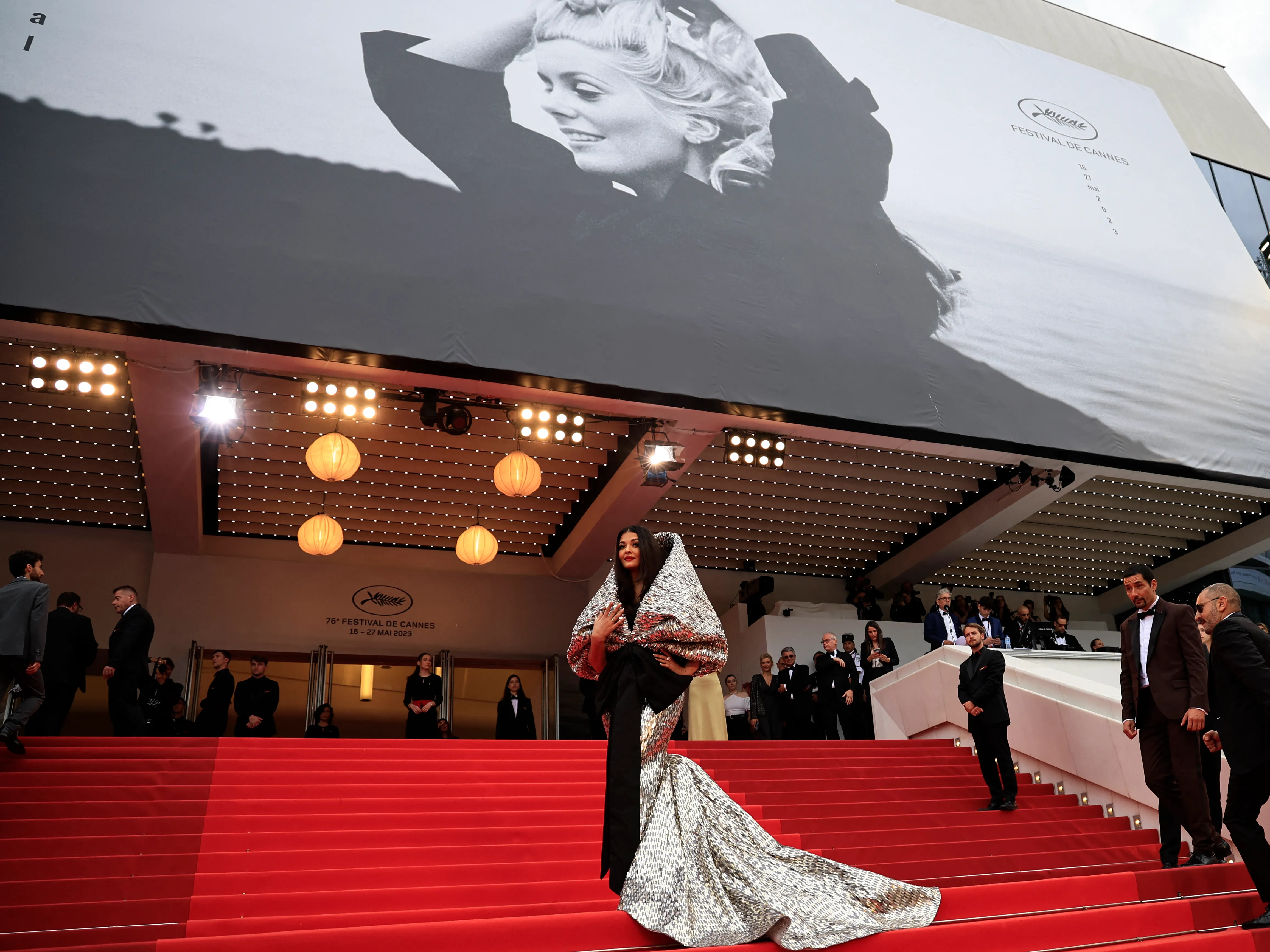
Junket vs. Premiere: Quick vibe check
What a press junket is
A press junket is a tightly scheduled interview day (or several days) where a studio brings talent to one location, sets up a hotel suite or ballroom with a branded backdrop, and runs a conveyor belt of interviews with outlets from around the world. Think: often 5 to 10 minutes per outlet, back-to-back, with a publicist hovering just off camera like a friendly hall monitor.
What a red carpet premiere is
A red carpet premiere is the big public-facing celebration. It is the glamorous photo moment, the fan moment, and the “event television” moment. Media on the carpet are usually grabbing quick soundbites while the talent is literally walking from point A to point B.
- Junket goal: Generate lots of usable interviews and clean quotes fast.
- Premiere goal: Create hype, fashion moments, viral clips, and a sense of cultural importance.
Who gets access (and why)
Press junket access
Junkets are invitation-based and curated. Studios and PR teams build a list that balances reach, demographics, and geography. A few things that influence whether an outlet gets in:
- Audience size and platform fit: TV, major digital outlets, large podcasts, and international partners often get priority.
- Relationship and reliability: Outlets that show up on time, follow embargoes, and run coverage as agreed tend to be invited back. (An embargo is a “not before this date and time” rule for publishing, so everyone drops coverage at once.)
- Market importance: If a movie needs help in a specific region or demo, you will see targeted invites that reflect that strategy.
Also, not every star does every interview. If time is limited, the studio might prioritize pairing the biggest name with the biggest outlets and send supporting cast to do more volume.
Red carpet access
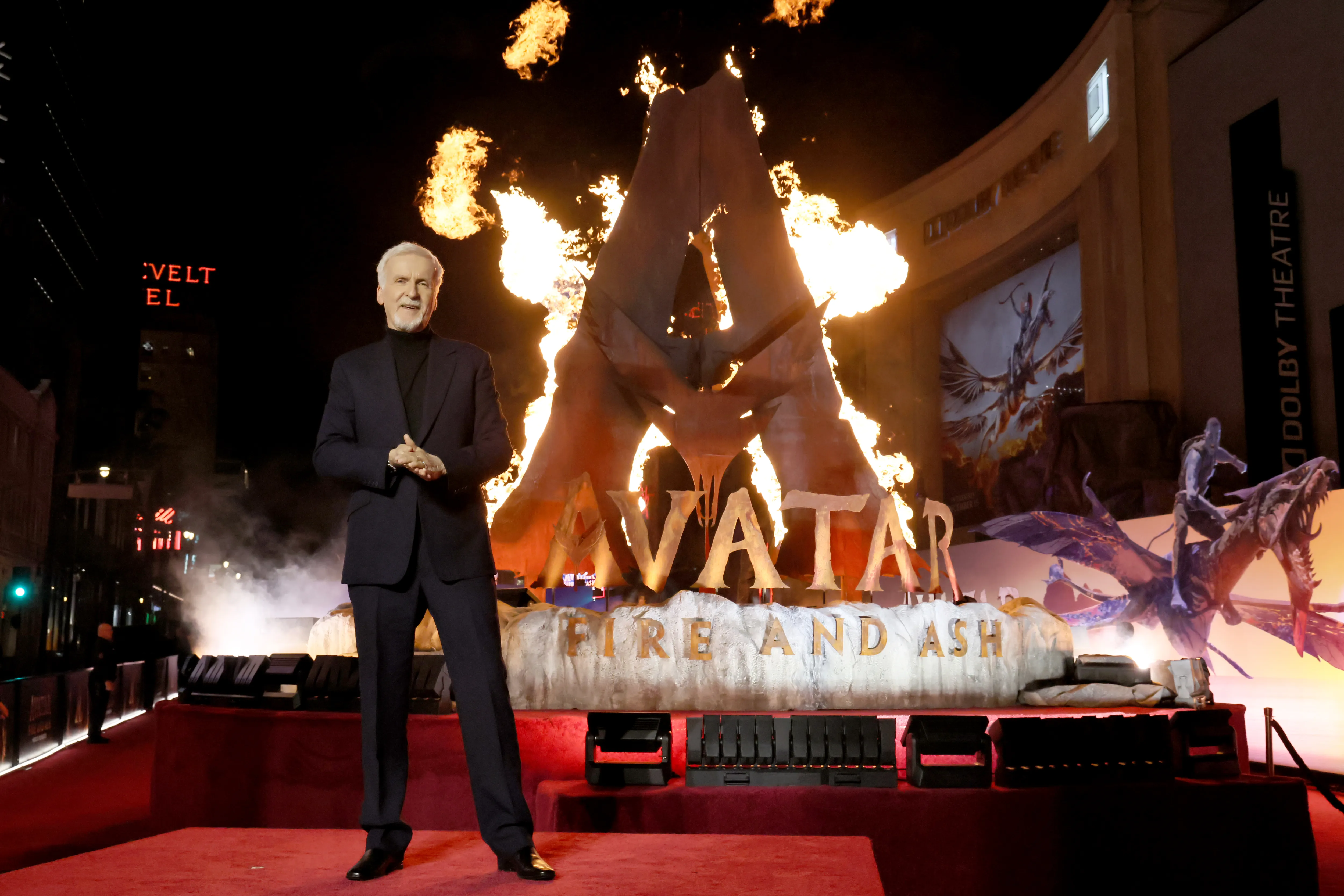
Premieres often have a wider media net, but the best carpet positions and most consistent access still go to major partners. There are usually different “zones” on a carpet:
- House cams and official partners: The studio’s own crew and key broadcast partners get prime placement.
- Major outlets: Entertainment trade and mainstream press typically get strong access.
- Digital creators and social-first outlets: Increasingly included because they drive immediate buzz.
- Press line overflow: More outlets than time, which means luck, timing, and a star’s stamina matter.
What questions fly (and what gets redirected)
At a junket
Junkets are where you’ll get the most craft and story talk, because the environment is controlled and quiet. But controlled is the key word. Studios generally communicate:
- Approved topics: The film or series, character arcs, stunts, music, costumes, on-set experiences, and sometimes carefully selected personal anecdotes.
- Off-limit areas: Unrelated controversies, private relationships, ongoing legal matters, sensitive medical topics, and anything that could spoil the plot.
- Timing rules: Some plot points might be “allowed” only after a certain date, once the project is out.
If a question hits a sensitive area, you’ll often hear a gentle redirect: “What I can say is…” or “What I loved about this project was…” Publicists are not there to be villains. They are there to keep the day moving and protect both the campaign and the person sitting in the chair.
At a premiere
Carpet questions are shorter and safer because the setting is loud and the answers need to be quick. You’ll hear:
- “What should fans expect?”
- “How does it feel to be here tonight?”
- “Describe the movie in three words.”
- “Tell me about your look.”
Hard-hitting questions can happen, especially if news is breaking, but the carpet rarely leaves room for nuance. It is designed for shareable clips.
How talking points really work
“Talking points” can sound sinister, but usually it is just a strategy document that helps everyone tell the same clear story. Studios want the campaign to communicate a few essentials:
- What it is: Genre, tone, and the hook.
- Why now: Cultural relevance, representation, themes, or timely inspiration.
- Why you should care: The emotional promise, not just the plot.
- Who it’s for: Fans of similar titles, and the “bring your friend who doesn’t like this genre” angle.
Before a junket day, talent often does briefings with publicists, marketing, and sometimes the director or producers. They review:
- Key messages that need to land in interviews.
- Approved terminology for sensitive themes (especially with mental health, trauma, or real-life stories).
- Avoid list items like spoilers or unverified behind-the-scenes claims.
When it works best, the talking points function like a map, not a script. The star still gets to sound like themselves, just with a consistent destination.
Why the same stories show up
If you’ve ever watched a full junket reel, you know the phenomenon: the same adorable story about the first table read pops up again and again like a well-loved sequel. There are a few very real reasons:
- Time constraints: When you have 6 minutes, you go to the stories that land fast.
- Message discipline: Repetition helps a campaign’s key themes cut through.
- Media fragmentation: Different audiences see different clips. What feels repetitive to you might be brand new to someone else.
- Energy management: Answering dozens of interviews in a day is mentally exhausting. Familiar stories help talent stay warm and comfortable.
Also, repetition can be protective. A star may choose a “safe” anecdote they know will not accidentally create a headline they will regret later.
Inside a junket day
Here’s what a typical junket setup looks like, stripped of the mystery and the mini muffins:
- Location: Hotel suites or a ballroom dressed to match the project’s branding.
- Schedule: Interviews booked in tiny blocks with almost no buffer time.
- Format: One-on-one, duo, or small group. Sometimes roundtables with multiple journalists, where everyone shares the same limited time and the same answers travel fast.
- Supervision: A publicist (or two) sits nearby. Sometimes a studio rep is present for bigger projects.
- Deliverables: Outlets may be asked to use provided clips, include specific hashtags, or honor embargoes.
If you ever wonder why interviewers sometimes open with “Congratulations,” it is partly politeness and partly because you have to get to the point quickly. No one wants to spend 90 precious seconds on a warm-up when the camera is rolling and the next outlet is already waiting in the hallway.
And yes, junkets are not always in-person anymore. Post-2020, virtual and satellite junkets became common. Same talking points, same time blocks, just with more Zoom lighting and fewer hotel hallways.
Inside a red carpet
Premieres are part celebration, part marketing spectacle, and part traffic management. What you don’t see on camera is the choreography:
- Call times: Talent arrival is staggered to avoid total chaos.
- Photo pit first: Many stars hit the photographer wall before talking to anyone.
- Press line flow: Talent moves down a line of outlets. Some stop a lot. Some stop a little. Some do one anchor interview and head inside.
- Fan interaction: Depending on security and schedule, autographs and selfies can happen, but it is highly controlled.
- The screening: The actual film is screened for invited guests, critics, and industry, depending on the event.
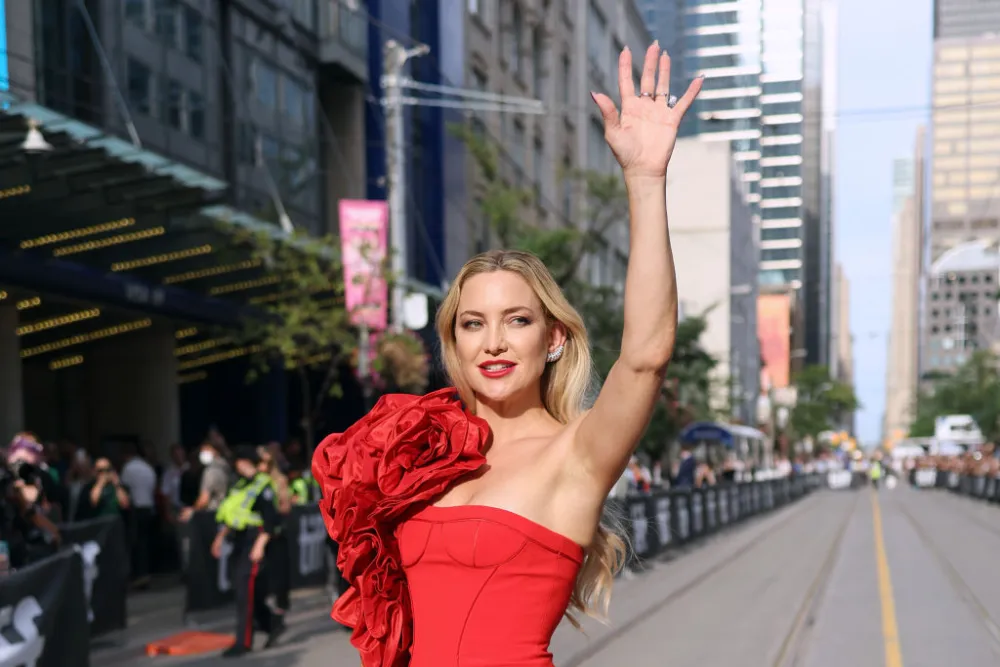
Which feels more real?
It depends on what you mean by real.
- Junkets can feel more intimate because you are sitting down, making eye contact, and sometimes talking about craft, nerves, or personal connection to a role.
- Premieres can feel more emotionally authentic because the adrenaline is real. You are seeing people right before the world reacts.
But both are curated. Hollywood does not leave its biggest investments to chance, and it is easy to see why.
Promo timeline: Trailer to opening
Every campaign is different, but for a wide studio release, the cadence often looks like this. Streaming titles, indie releases, and awards campaigns can compress the timeline or reshuffle the steps.
8 to 12 weeks out: Early heat
- Teaser trailer or first full trailer drops.
- Poster rollout and first-look images.
- Select press begins: a director interview here, a magazine cover there.
- Social strategy locks in: hashtags, official accounts, and content calendar.
6 to 8 weeks out: Awareness becomes a story
- Second trailer or “final trailer” planning begins.
- Cast features and behind-the-scenes clips ramp up.
- Brand partnerships may appear (beauty, fashion, fast food, tech).
- Ticket pre-sales date gets teased for bigger releases.
4 to 6 weeks out: The press engine starts
- Press notes and official production materials go out to media.
- Junket logistics lock: who is traveling, which outlet gets which time slot.
- Talk show bookings start to show up on schedules.
- Critics screenings may begin for prestige titles, or stay closer to release for spoiler-heavy blockbusters.
2 to 4 weeks out: Junkets and volume
- Major press junkets happen, often in Los Angeles, New York, London, or another media hub.
- International press days may run simultaneously.
- Cast does radio, podcasts, and influencer stops for targeted audiences.
- Social clips flood the feed: “besties on set,” “how well do you know your co-star,” and snackable Q&As.
1 to 2 weeks out: Premiere week energy
- World premiere (or major city premiere) with a red carpet.
- Fashion coverage spikes. Glam teams get their own mini press tour.
- Embargoes lift in stages in many campaigns, with social reactions sometimes allowed before full reviews.
- Review pull quotes start appearing in ads (those “A triumph!” blurbs you see in trailers and posters).
- Cast may do a final sprint: morning shows, late night, and live events.
Opening week: The conversion moment
- Final trailer and TV spots go heavy on urgency: “Only in theaters” messaging.
- Stars post personal appeals and behind-the-scenes gratitude.
- Fan screenings and viral moments get amplified.
- Opening weekend box office becomes the headline, and the cycle shifts into either celebration, damage control, or awards positioning.
And yes, if you sense a mood change from “Please enjoy our film” to “Please buy tickets right now,” that is because you have entered the conversion phase of the campaign. Marketing is marketing, even when it is wearing couture.
Why the system exists
Studios spend a lot of money making movies and shows, and they spend a lot of money telling you they exist. The junket and the premiere are two of the most efficient tools they have.
But there’s also a human layer. For many actors, the premiere is a milestone that marks years of work, rejection, and waiting. For many journalists, a junket is one of the rare times you get to ask thoughtful questions in a quieter setting. The machine can be glossy, sure, but the feelings inside it are often very real.
Cheat sheet: Junket vs. Premiere
- Best for: Junket = longer answers and craft talk. Premiere = fashion, hype, and quick reactions.
- Access: Junket = curated invite list. Premiere = broader press line, but still tiered.
- Control: Junket = highest control. Premiere = controlled, but more unpredictable.
- Questions: Junket = deeper but guided. Premiere = short and safe.
- Why answers repeat: Efficiency, consistency, and energy management.
The next time you see a star tell the same story for the fifth time in one day, consider it less “robot mode” and more “professional athlete in the fourth quarter.” They are not just promoting a project. They are trying to stick the landing.