
Some celebrities trend because of a breakup, a comeback album, or a red carpet moment that turns into a thousand memes. Jim Cantore trends for a different reason: when he shows up, it usually means nature is not playing around.
This week’s spike is less about one new dramatic clip and more about the usual hurricane-season pattern. As Atlantic hurricane season ramps up, people start checking forecasts more often, revisiting old storm coverage, and swapping the same familiar jokes: if Cantore is in your town, you should probably take the warning seriously. That mix of practical anxiety and internet humor reliably pushes his name back into search and social feeds.
It also helps that early-season attention tends to spark fresh explainers and career lookbacks across major media. When hurricane chatter rises, the public is already primed. A well-timed profile or reposted segment just gives that attention a headline.
Why Jim Cantore is trending now
The current buzz is calendar-driven, not anniversary-driven. Early hurricane-season curiosity triggers a familiar cycle: people look up where storms might go, outlets publish quick backgrounders, and social platforms resurface classic live shots that remind everyone what real wind looks like.
If you are seeing his name more than usual, it is likely because two things are happening at once: weather watchers are tracking early Atlantic systems and the season’s first warnings and preparedness posts are circulating again. Even without a single headline-making moment, that combination is enough to spike searches for the guy many viewers associate with “this one is serious.”
The key context is still his longevity. Jim Cantore joined The Weather Channel in 1986, and few TV careers in any genre have that kind of single-network run. Because people have decades of memories attached to him, even a small uptick in storm chatter can pull him back into the feed.
Retrospectives also love a big argument, and this cycle comes with a sticky one: Cantore belongs on a metaphorical “Mount Rushmore” of TV weather. That framing is catnip for casual viewers who remember him from hurricane coverage, plus weather geeks who can name historic storms the way sports fans name championship years.
Who Jim Cantore is
At the simplest level, Jim Cantore is a meteorologist and field reporter who joined The Weather Channel in 1986 and built a career around going where the weather is worst. But the bigger story is how he became something rarer: a cable personality whose job function turned into a pop-culture signal.
For millions of viewers, Cantore is not just “a guy reporting on a hurricane.” He is shorthand for:
- Credibility: if he is there, it is serious.
- Immediacy: you are not watching a forecast, you are watching the event.
- Human scale: the storm stops being a map and becomes an experience.
That mix created a very modern kind of fame: not actor-famous, not influencer-famous, but recognizable enough that his presence has become part of the national weather vocabulary.
Why his style works
TV weather used to be primarily studio-based. The map, the radar loop, the calm voice explaining what is coming. Field reporting has always existed in some form, long before Cantore. What he is often credited with is helping cement a specific modern visual language: the storm as a live scene, delivered with The Weather Channel’s reach and repetition.
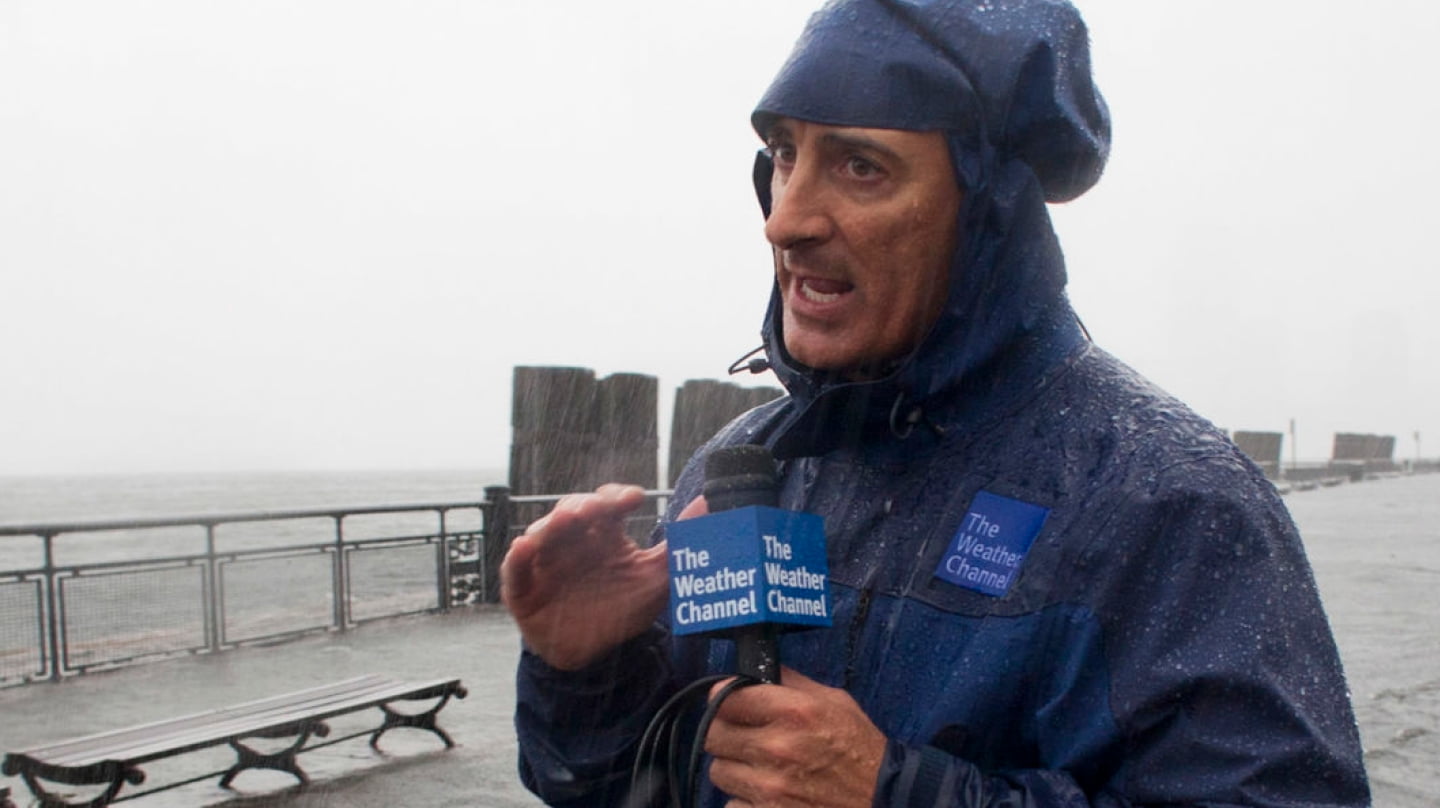
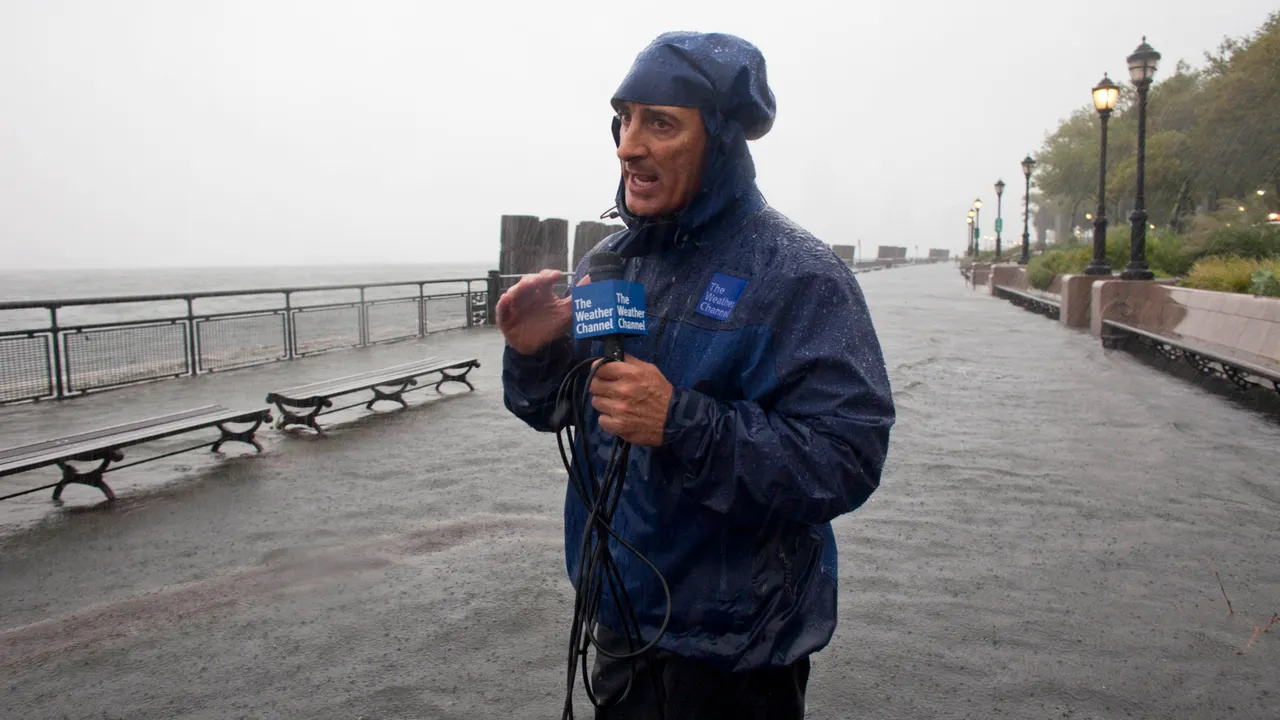
When a reporter stands sideways in gale-force wind, struggling to stay balanced, your brain understands danger in a way a five-day forecast never delivers. That is not theatrics by default. It is communication. And for viewers deciding whether to evacuate, shelter, or take warnings seriously, communication style matters.
Over the decades, Cantore became known for showing up for:
- Hurricanes and tropical storms
- Blizzards and whiteout conditions
- Severe weather outbreaks where conditions change fast
This approach helped shape what many viewers now expect from big-weather coverage across TV and digital news: not just the radar, but a person out in it, translating the threat into something you can feel.
The viral moments
Let’s be honest: the internet did not make Jim Cantore famous, but it did turn him into a recurring character in our collective hurricane-season storyline.
Cantore’s most replayed moments usually fall into three categories:
1) The wind-check live shot
The classic standup where wind and debris try to snatch the microphone, the hood, the dignity, all at once. These clips go viral because they are funny, but also because they are weirdly reassuring: someone is there, describing what is happening, in real time.
2) The interruption
A sudden gust. A flying object. A wave surge. A near wipeout. Live TV is unscripted, and storms are the ultimate uncooperative guest star.
3) The shorthand meme
People joke that if Cantore shows up in your town, it is time to leave. That line lands because it is built on decades of pattern recognition from viewers who have watched him cover major events again and again.
Importantly, the same clips that make people laugh also reinforce the underlying message: this is not ordinary weather.
Why he still matters
Cantore’s staying power is a mini-history lesson in how Americans consume risk information. In major events, weather coverage is not just content. It is utility.
Cable expertise became habit
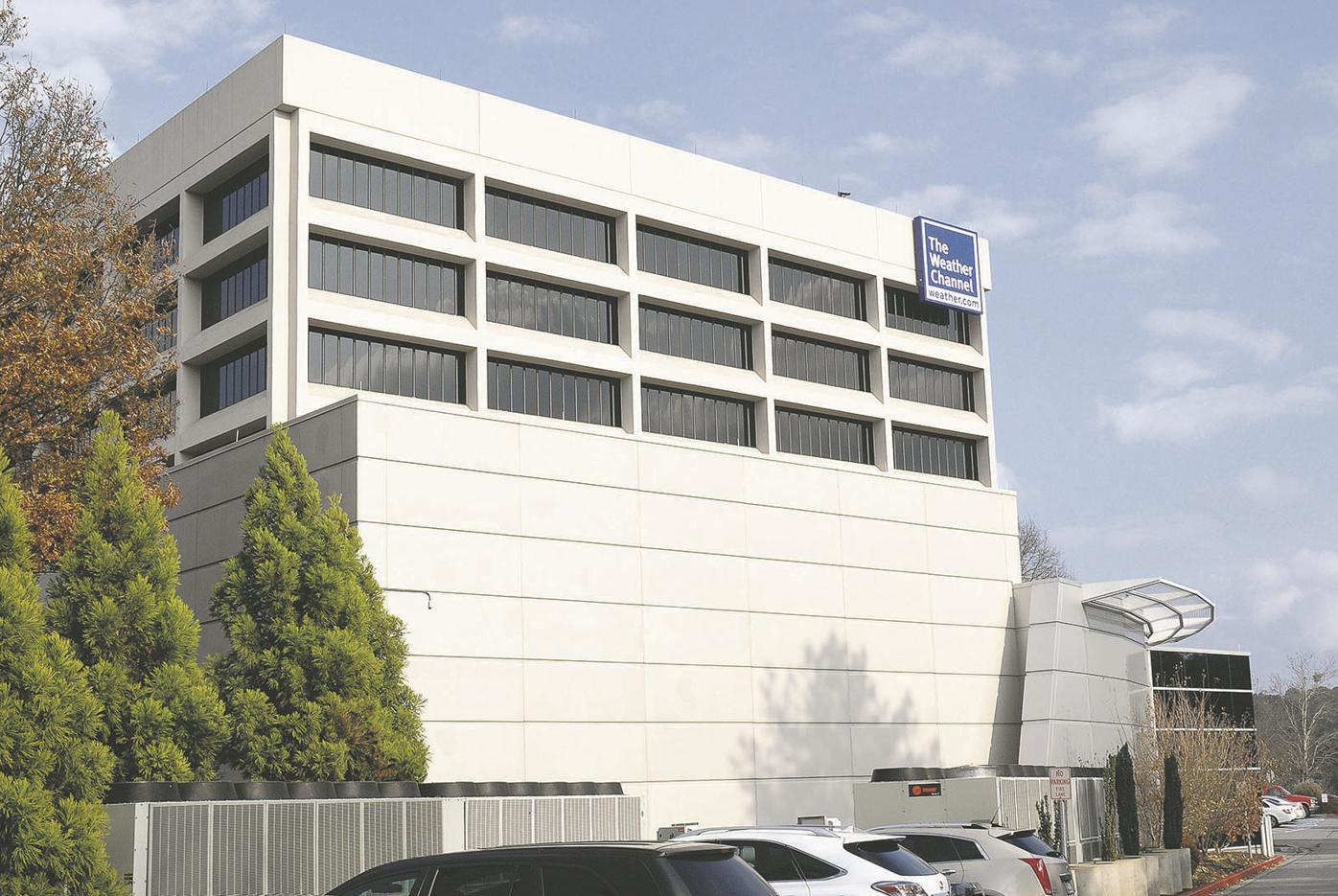
The Weather Channel is one of the most durable examples of niche cable becoming a public-service routine. When conditions turn dangerous, viewers do not just want a headline. They want continuity.
Trust became personality-driven
People trust information more when they trust the messenger. Cantore’s consistency, voice, and willingness to be on the ground helped build that familiarity. You might not know every studio meteorologist by name, but you know him.
Storm TV became internet culture
His field reporting created repeatable, shareable moments long before TikTok and X made everything instantly remixable. When social media matured, Cantore already had the kind of footage that travels.
The debate
Calling anyone “Mount Rushmore” material automatically invites debate, and that is part of why these profiles resonate. TV meteorology is full of brilliant professionals, many of whom build careers on:
- Clear forecasting and calm emergency communication
- Local-market trust built over decades
- Scientific expertise and education
Cantore’s lane is slightly different. His legacy is less about owning the science products that agencies produce and more about being the person who puts a human body inside the forecast so viewers grasp what it means.
That does not replace studio work. It complements it. And the modern expectation that you get both, the map and the live scene, is part of Cantore’s impact.
What to take away
There is a reason Cantore’s name comes up every hurricane season, even for people who do not watch The Weather Channel regularly. His career turned a specialized job into a recognizable public role.
- He made storm reporting feel immediate, not abstract.
- He built trust through repetition, showing up again and again over decades.
- He became a cultural signal, a shorthand for “this is serious.”
So yes, the internet will keep making jokes about his arrival meaning doom. But underneath the meme is something pretty old-school: a broadcaster who has spent decades showing viewers what danger looks like and, ideally, nudging them to take it seriously.
If you are rewatching the best Cantore clips today, consider it a nostalgic scroll with a practical bonus. The storm may be entertaining on screen, but the real takeaway is the same one he has been delivering for decades: pay attention, and be safe.