
If you only catch the short clips floating around, it can sound like Ron Howard is spilling some shocking, scandalous secret about John Wayne. The fuller version is more layered and, honestly, sadder in a specific way: it is a story about a young actor watching an aging screen legend protect the “code” of his most famous persona while a director pushed for something sharper, all on a film that was already haunted by the idea of an ending.
Howard has described what it felt like to be about 21 on The Shootist, trying to do his job while the set’s creative temperature rose and fell around a push and pull between Wayne and director Don Siegel, with the weight of Wayne’s late-career presence in the background.
Where Howard fit
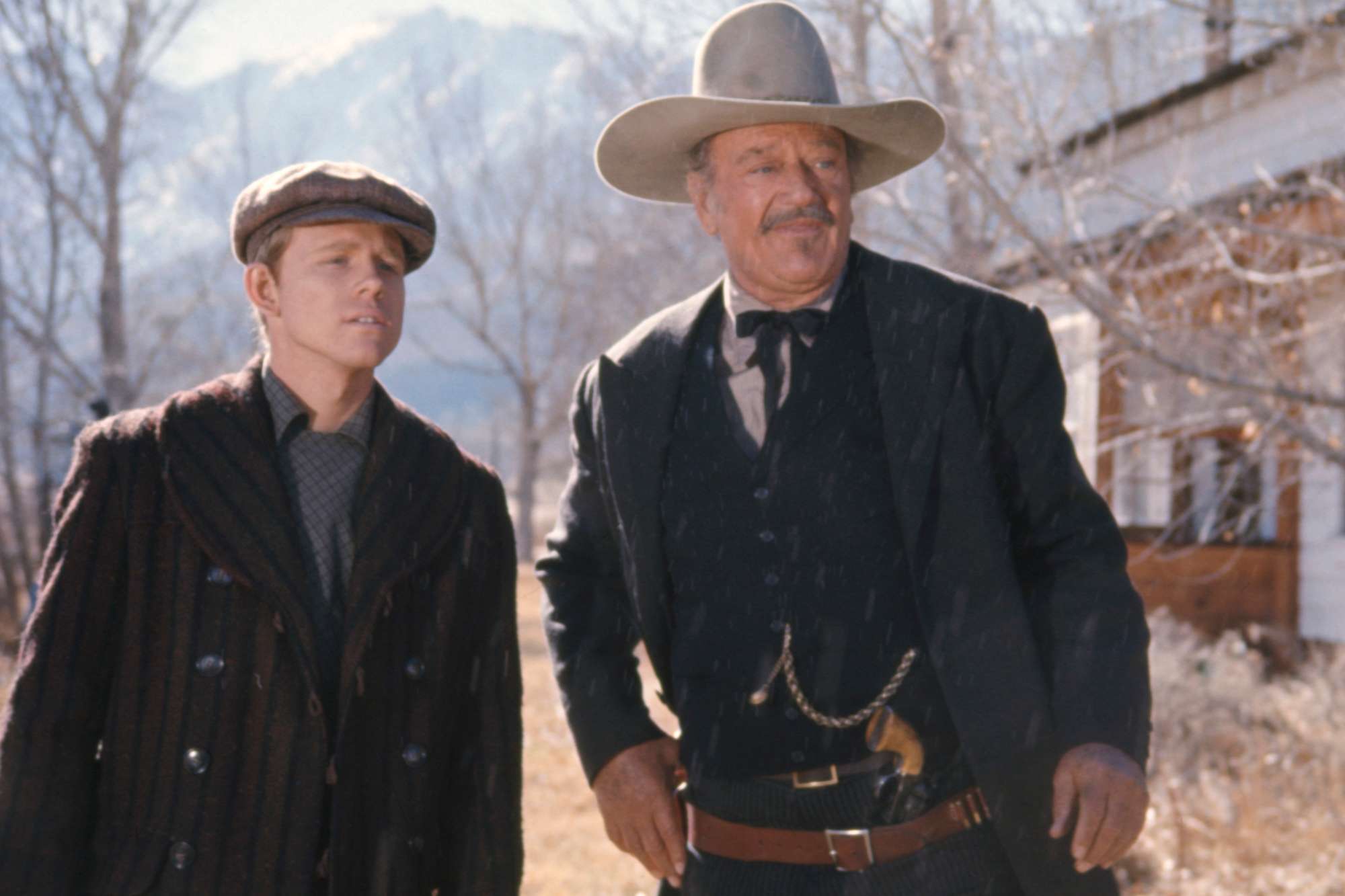
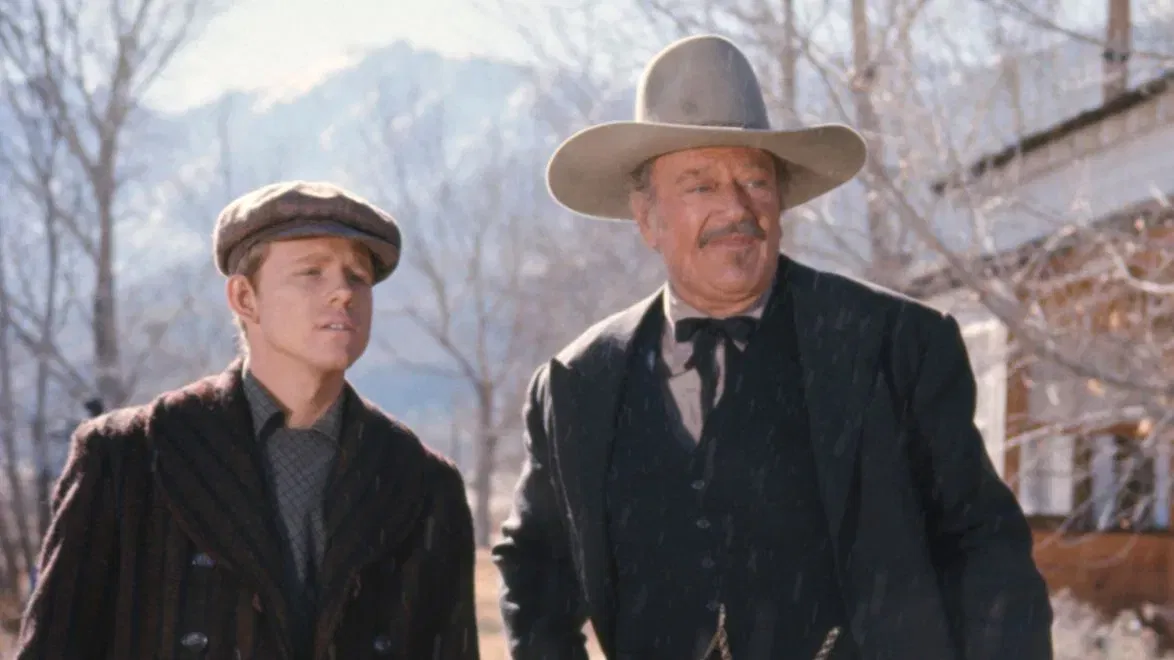
By the time The Shootist came along, Howard was already famous, but he was in a very specific career moment. He was no longer the kid on The Andy Griffith Show. He was a young adult actor building credibility, and he landed the role of Gillom Rogers, the eager young man drawn to Wayne’s legendary gunfighter, J.B. Books.
Gillom is not just “the young guy.” He is the audience’s proxy, watching a mythic figure up close and wrestling with what it means to inherit that kind of violent legend. So when Howard talks about the atmosphere being tense, it is not just trivia. It touches the movie’s central handoff from one generation to the next.
What Howard said
Howard has spoken about this story in interviews, and a TV segment is frequently clipped and reposted online. Because those clips are often shortened and context gets stripped away, it is best to treat the specifics as Howard’s recollection from the set, not as a line-by-line record.
In his telling, the set could feel tense because of ongoing conflict between John Wayne and Don Siegel. Howard describes it as creative disagreement, with Wayne protective of the moral boundaries of J.B. Books and Siegel pushing for harder, more ruthless choices.
Howard has recalled a disagreement that, in his memory, came down to whether Books would ever do something like take a cheap shot, the kind of move that would read as shooting a man in the back. The important point in Howard’s retelling is not the exact blocking of a single moment. It is that Wayne drew a bright line around what Books would and would not do.
Wayne and Siegel
The reason this anecdote sticks is that it captures the tug-of-war in one clean idea. Wayne was guarding a code, and Siegel was chasing a tougher kind of realism. It is not just a personality clash. It is a clash over what the audience was being asked to watch in a farewell performance.
What is on screen ultimately aligns with that principle. The climax plays like a chosen last stand in public, not an ambush, which matches the spirit of Howard’s story even if the behind-the-scenes back and forth is remembered rather than documented beat for beat.
Basics
The Shootist was released in 1976. It is widely treated as John Wayne’s final feature film, which adds obvious gravity to both the story and the way people remember what it was like to be on that set.
Wayne’s health
The online version of this story often flattens the context, so it helps to keep it simple. Wayne’s serious health struggles were real and long-running, and he died in 1979.
In the background was the reality that Wayne had already endured major cancer surgery and extensive treatment years earlier, and he was working late into his career. Howard’s comments land less like a medical claim and more like an on-set memory of heaviness: the sense that people understood, even if quietly, that time was not infinite.
Set tone
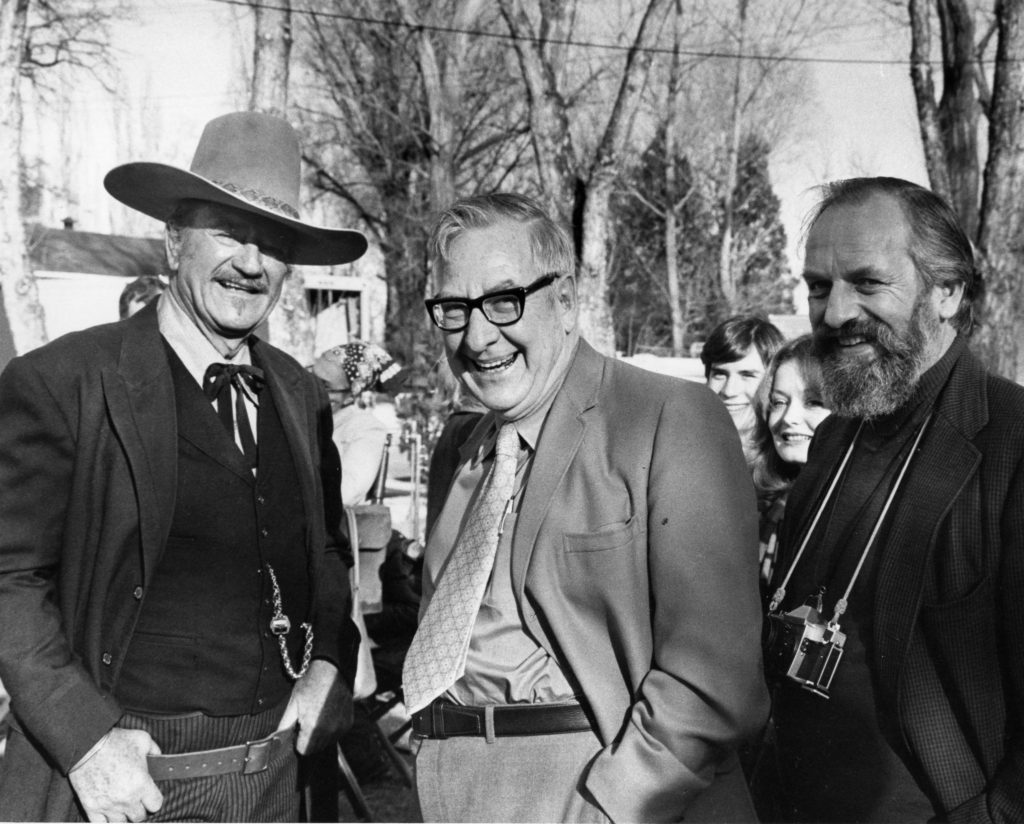
Howard’s telling is restrained. He does not frame Wayne as cruel to him personally. The through-line is closer to this: Wayne could be personally decent in one-on-one moments, while the overall environment felt strained because the people steering the ship were clashing.
How it shows up
You do not need an argument recap to feel the shape of the dispute. In the story, Books learns he is dying and becomes deliberate about the terms of his final confrontation, including where he will face the men waiting to test him. That is exactly the kind of endgame where a director’s taste for hard realism and a star’s insistence on a principled farewell can collide.
Star-director friction was also not rare in that era, especially when a director had a strong point of view and the star carried decades of image and audience expectations. That does not make tension pleasant, but it does help explain why a young actor could walk away describing the environment as strained without turning it into a personal feud story.
Takeaways
- It is a revived behind-the-scenes story. In context, Howard is describing a complicated set and a major star near the end of an era.
- The tension had a clear source. Howard points to ongoing creative conflict between Wayne and Siegel, not a feud with the cast.
- The dispute was about “the code.” In Howard’s remembered example, the argument centered on whether Books would ever make a dishonorable move, such as shooting someone in the back.
- What’s on screen fits the gist. The climax plays like a chosen last stand, not a cheap ambush.
- Health adds context. Wayne’s long health struggles were real, and Howard describes the mood of being around him during that late-career period.
FAQ
How old was Ron Howard?
Howard has described himself as about 21 during production.
What were they fighting about?
In Howard’s retelling, they clashed over creative choices and the moral limits of Wayne’s character. He recalls a disagreement centered on whether Books would ever do something like shoot a man in the back.
Did Wayne treat Howard badly?
Howard does not usually frame it that way. He emphasizes that the set felt tense overall, and he attributes that tension to conflict between Wayne and director Don Siegel rather than to Wayne targeting him personally.
Was it Wayne’s last feature film?
Yes. The Shootist is widely cited as John Wayne’s final feature film.