
If you opened your phone today and suddenly saw Rob Reiner everywhere, you are not imagining it. This is not one of those confusing internet spirals where a celebrity “dies again” because an old clip resurfaces. The renewed attention is tied to something both celebratory and heartbreaking: on July 8, 2026, Reiner received a posthumous Primetime Emmy nomination for a guest performance on FX’s The Bear.
That single line of awards-season news hit like a wave because it collides with a tragedy many people still have not fully processed. Reiner died in December 2024, and the nomination is now prompting a fresh round of questions: What exactly did he do on The Bear? Was it one of his final roles? And why does this particular nomination feel so emotionally sticky compared to a typical “Congrats, legend!” headline?
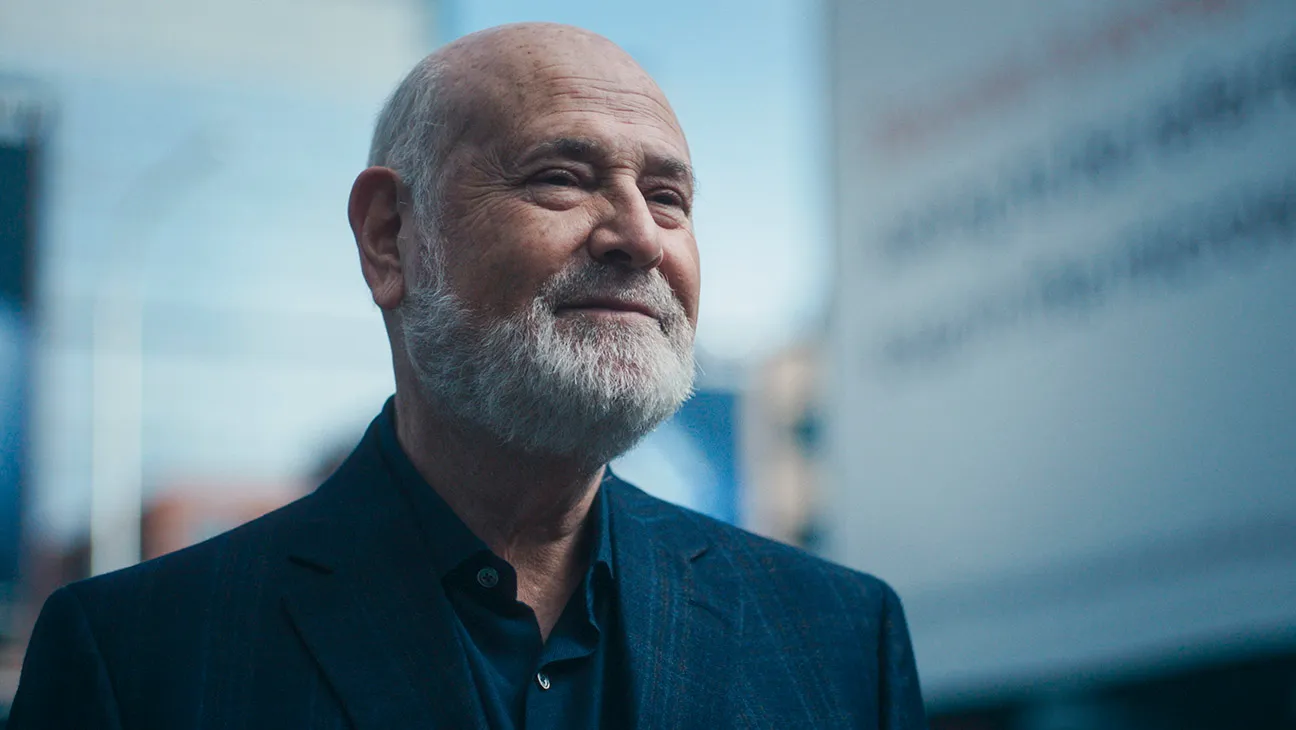
The real reason he’s trending
The trend is being driven by the 2026 Emmy nominations announcement and the fact that Reiner’s name appears on the list despite his passing. In a world where celebrity news is often chaotic, the explanation here is straightforward: voters recognized his work after he was gone, and fans are revisiting his life and career in real time.
There is also a specific kind of viral momentum that happens when awards culture intersects with grief. An Emmy nomination is already a buzzy, highly shareable moment, and a posthumous nomination adds a layer of collective tenderness. People are not only asking “what happened,” they’re asking “how did we get here?”
His final role on The Bear, in plain English
Reiner’s nomination is for a guest performance on The Bear, the Chicago-set series that has become one of TV’s most intense (and weirdly comforting) portraits of work, family, and survival. Guest categories are often where beloved icons pop up, stun everyone in one or two episodes, and remind you they can still steal a scene without breaking a sweat.
While The Bear is famously actor-forward, Reiner’s presence carried extra weight because audiences do not just see “a character.” They see a man with decades of cultural memory attached to his face and voice. The nomination is widely understood as recognition for one of his last on-screen performances, which is part of why fans are talking about it with such intensity.
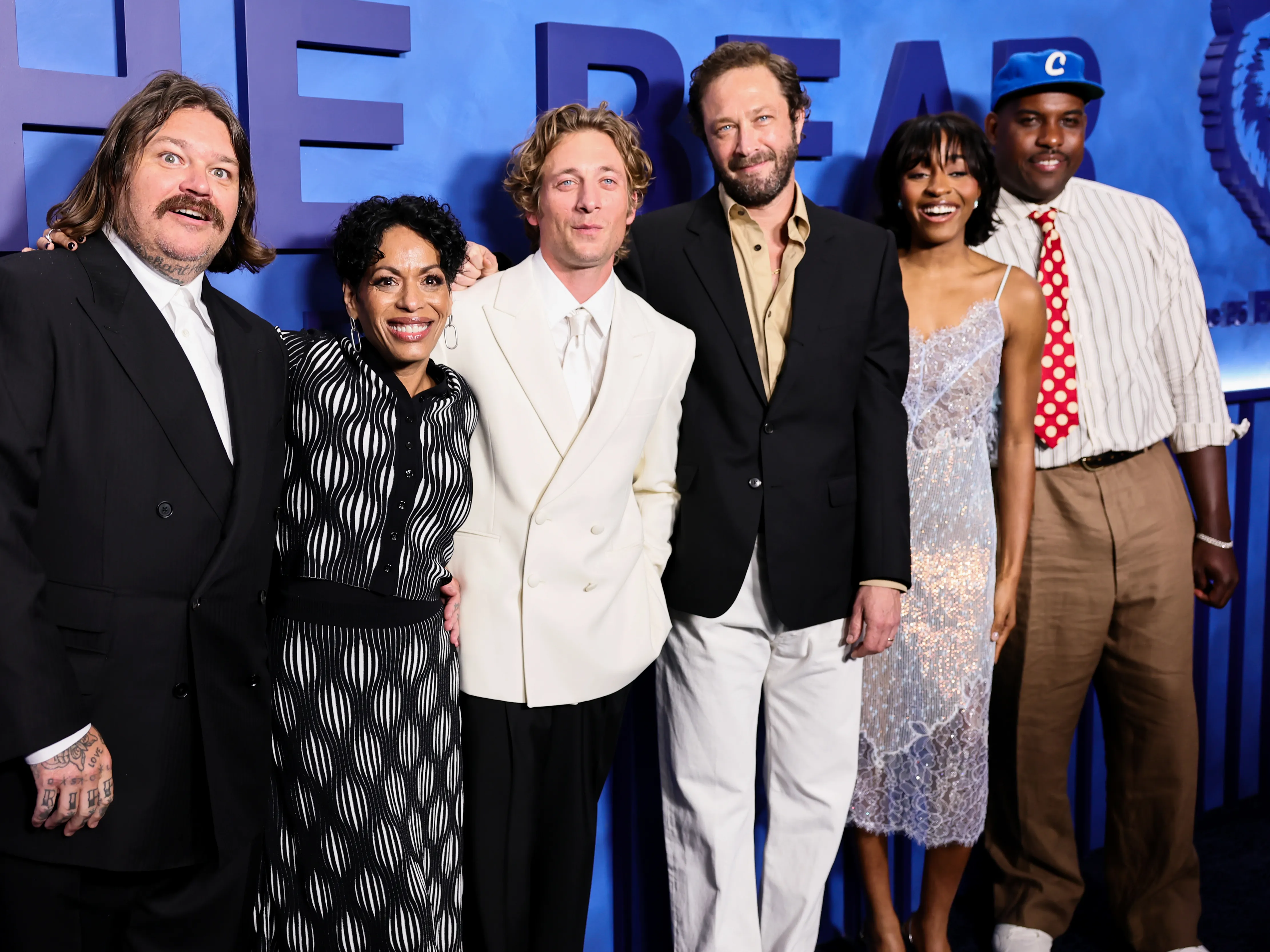
Why posthumous Emmy nominations hit differently
A posthumous nomination is not just “sad trivia.” It forces a particular kind of reflection because awards are about the future as much as the past: more roles, more speeches, more seasons, more chances. When the nominee is no longer here, the nomination becomes a time capsule.
If Reiner wins later this year, the moment will likely belong to the people who loved him and worked with him, not to the traditional victory-lap narrative. Viewers are already anticipating how the show’s team and Reiner’s family might honor him if his name is called.
The December 2024 loss people are still processing
Reiner died in December 2024. He and his wife, Michele Singer Reiner, were found dead at their Brentwood home, a detail that stunned Hollywood and longtime fans because it felt so abrupt and so personal. When a public figure passes, there’s often a gradual cultural “fade” as the news cycle moves on. But an awards nomination yanks the spotlight back, instantly and globally.
That is why this Emmy nod is not landing as a simple entertainment update. For many fans, it is reopening a chapter they did not get to close.

The legacy behind the headline: why Rob Reiner matters
Part of the reason this nomination is traveling so fast is that Reiner’s career is basically a guided tour through modern American pop culture. Even if someone could not pick him out of a lineup, odds are they have quoted something he helped put into the world.
As an actor, he was “Meathead” and proud of it
For many, Reiner first imprinted as “Meathead” on All in the Family, a character who helped define an era of TV that was willing to argue at the dinner table on camera. That role gave him a permanent place in sitcom history, but it also set up the twist of his life: he was never “just” the guy in the scene.
As a director, he helped define the way we talk about love, justice, and wonder
Reiner’s directing résumé is the kind that makes you pause mid-scroll: When Harry Met Sally, The Princess Bride, and A Few Good Men are not simply hits, they are cultural reference points. Romantic comedy fans still chase the texture he captured in When Harry Met Sally. Fantasy lovers keep The Princess Bride alive like it is a family heirloom. Courtroom-drama devotees can quote A Few Good Men in their sleep.
It is also worth saying plainly: Reiner’s work lasted because it was human. Even when the stories were heightened, the emotions were recognizable.
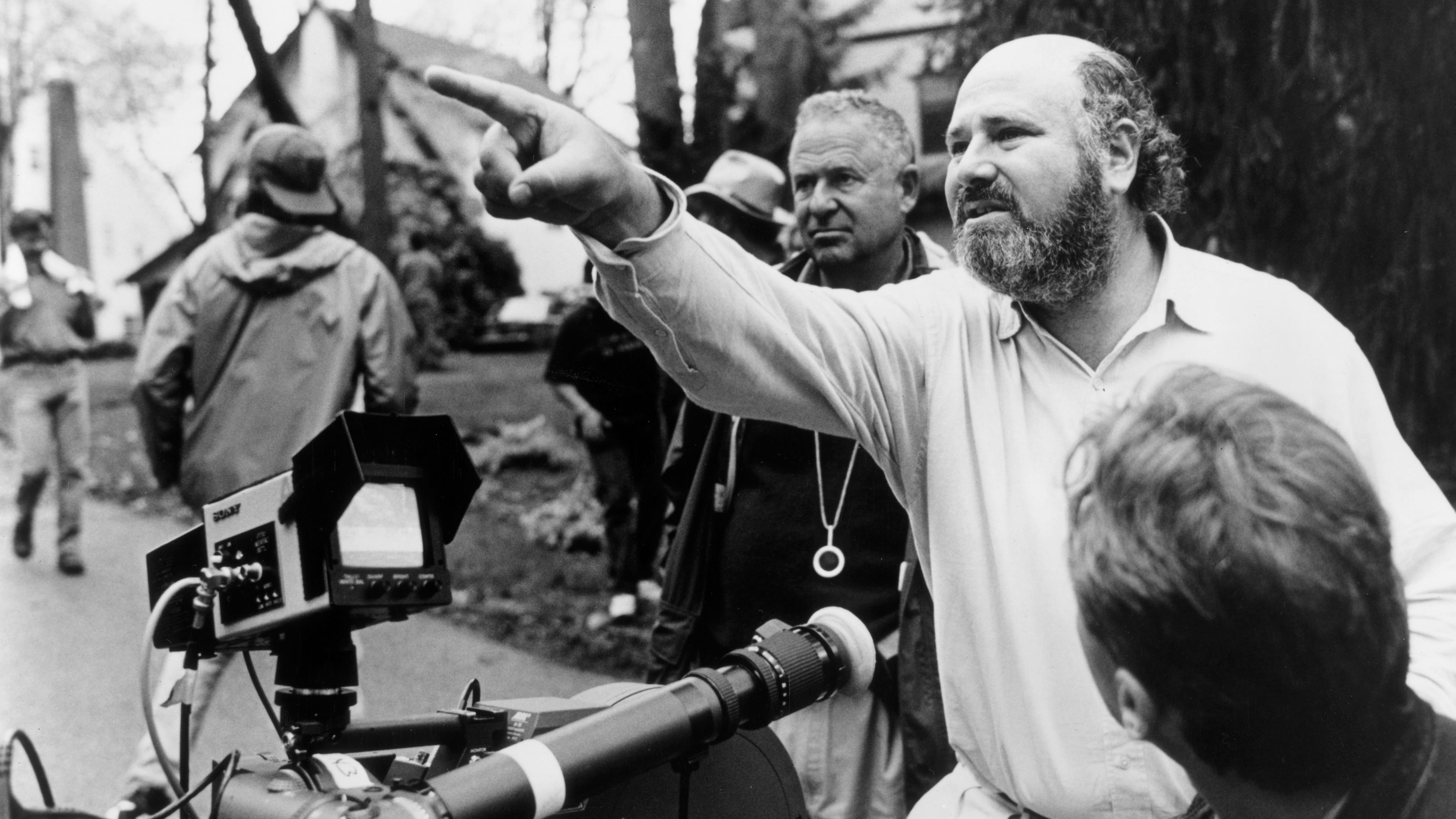
Why this trend is bigger than one nomination
This is the kind of moment where multiple audiences collide:
- The Bear fans who want to know who the guest nominee was and what episode they need to rewatch.
- Film lovers revisiting Reiner’s directing run and remembering how many “comfort rewatch” titles trace back to him.
- People who remember the 2024 tragedy and are trying to make sense of time moving forward without him.
- Awards-season watchers who track rare posthumous nominations and what they represent culturally.
In other words, this is not trending because of scandal. It is trending because legacy, loss, and current TV obsession all collided on one morning.
If you want to honor him tonight, here’s a thoughtful way to do it
If you are feeling that weird mix of nostalgia and sadness that comes with this kind of news, you are not alone. A gentle way to sit with it is to pick one Reiner project based on what you need right now:
- If you want comfort: The Princess Bride
- If you want to laugh and ache a little: When Harry Met Sally
- If you want a sharp, gripping watch: A Few Good Men
- If you want the “full circle” moment: rewatch his guest turn on The Bear with the nomination in mind
A posthumous nomination can’t give someone back. But it can spark something meaningful: a collective rewatch, a shared memory, and a reminder that the work really did land and it still does.